Slab Repair and Crack Injection in Wollongong
Get a Free EstimateConcrete Slab Repairs That Last
A crack running across a house floor, garage or shed slab can be anything from a harmless shrinkage line to an early sign of ground movement. The trick is knowing which, and fixing it in a way that suits. We provide slab repair in Wollongong that starts with working out why the concrete has cracked before choosing between injection, sealing, stitching or replacement.
Slabs across the Illawarra deal with clay that swells and shrinks, stormwater that finds its way under edges, and sometimes loads they were never designed for. Once we understand what's going on, we can recommend a repair that addresses it, and we'll tell you plainly when an engineer should take a look first. Describe the cracks in the form and we'll arrange a time to inspect.
Slab Repair Methods We Use in Wollongong
Crack Assessment and Diagnosis
Before anything gets injected, we look at the width, pattern and direction of the crack, whether it's moving, and what's happening around the slab. Fixing the symptom without understanding the cause usually means the crack comes back.
Epoxy Crack Injection
For dormant cracks where the slab needs to act as one piece again, low-viscosity epoxy can be injected under pressure to fill the crack and bond the faces together. It suits structural cracks that have stopped moving, subject to any engineer's advice.
Polyurethane Injection for Leaks
Where a crack lets water through, such as in a basement floor or a slab against a retaining wall, a polyurethane resin may be used. It can stay slightly flexible and help seal against moisture, though whether it suits your crack depends on the situation.
Routing and Sealing Surface Cracks
Fine shrinkage cracks that aren't structural can be widened slightly with a saw or grinder and filled with a flexible sealant. It keeps water, grit and weeds out and tidies the look of the slab without major work.
Crack Stitching
When a crack needs to be held together across its width, steel stitching bars can be set into slots cut across it and bonded in place. This approach is normally used where an engineer has specified it for the slab's condition.
Section Replacement When Needed
Sometimes a damaged section is beyond repair, such as where the base has failed or the concrete has broken up badly. In that case we can cut out and replace the affected area, tying the new concrete into the existing slab as detailed.
Three Ways to Get Your Slab Looked At
You don't need to know what's wrong with your slab to get started. Just pick the option that fits your situation and we'll take it from there.
- Describe what you're seeing: Tell us where the cracks are, roughly how wide, and whether they've changed recently. That helps us gauge how urgent it is.
- Have an engineer's report: If an engineer has already inspected the slab, mention it in the form and have the report ready so we can price the repair they recommend.
- Book an inspection: We'll check the cracks, the drainage around the slab and any signs of movement, then talk you through the options.
This page is about floor and structural slabs specifically. For driveways, paths and other outdoor concrete, see our concrete crack repair and general concrete repair services. If the cracking is linked to soil movement, our page on engineered slabs for reactive clay explains why that happens.
Why Locals Call Us for Slab Repairs
We Look for the Cause First
A slab crack is usually telling you something about drainage, soil movement, loading or how the slab was built. We look for that reason first, so the repair actually lasts.
Straight Advice on Engineers
If a crack is wide, stepped, widening or one side has dropped, it's time for an engineer's view. We'll tell you when that's the case rather than injecting it and hoping for the best.
Right Material for the Crack
Epoxy, polyurethane and flexible sealants each do a different job. We choose based on whether the crack is structural, moving or leaking, and explain why we've picked one over another.
Tidy, Contained Work
Many slab repairs happen inside garages, homes and workshops. We protect the surrounding area, control dust from cutting and grinding, and clean up properly when the job's done.
Repair Versus Replace, Honestly
If patching a slab will cost nearly as much as replacing it and won't last as long, we'll say so. You get a clear comparison of both options so you can decide what makes sense.
Quotes You Can Follow
Your quote lists the assessment, repair method, materials and any follow-up work like sealing or drainage changes, so it's clear what's included and what each step achieves.
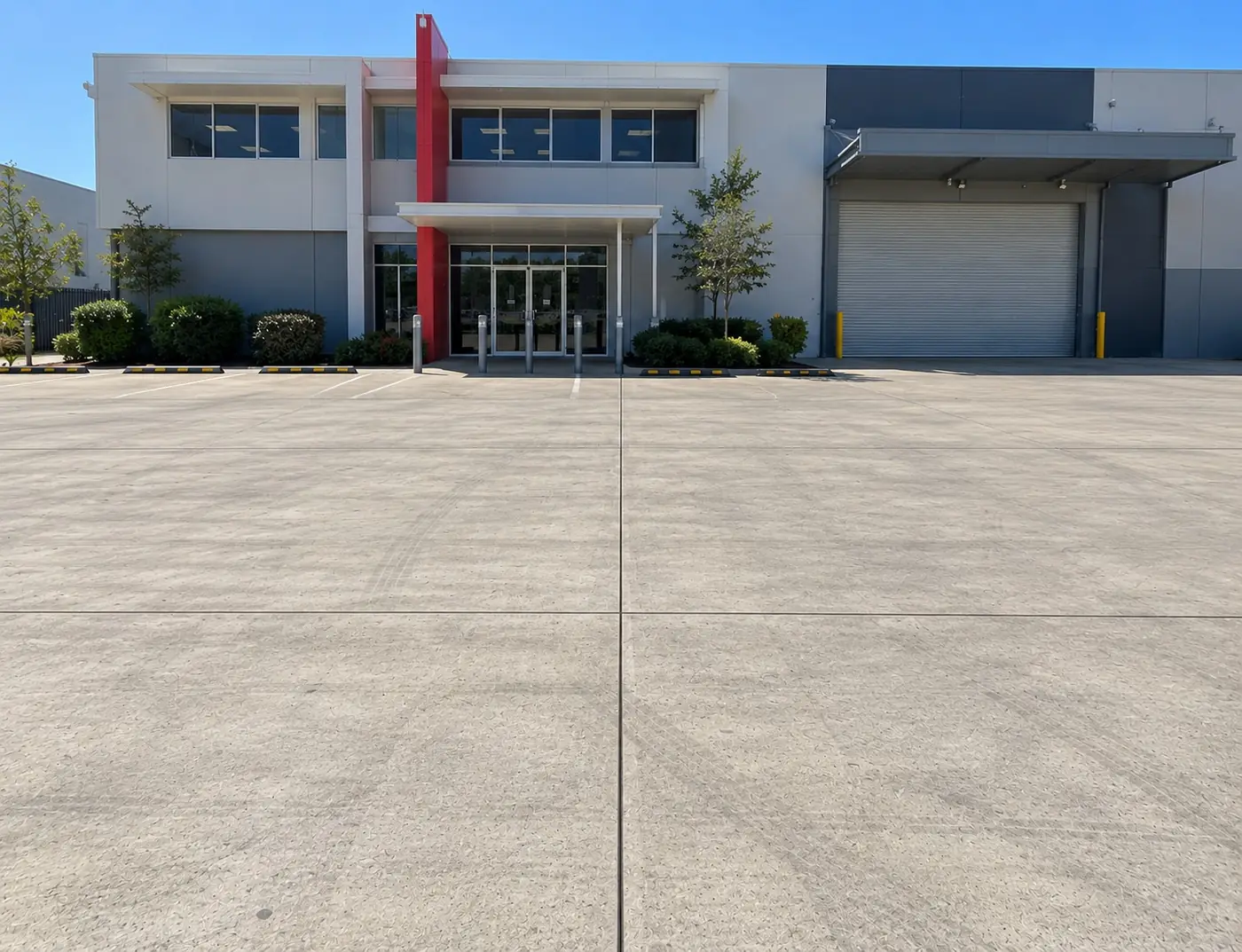
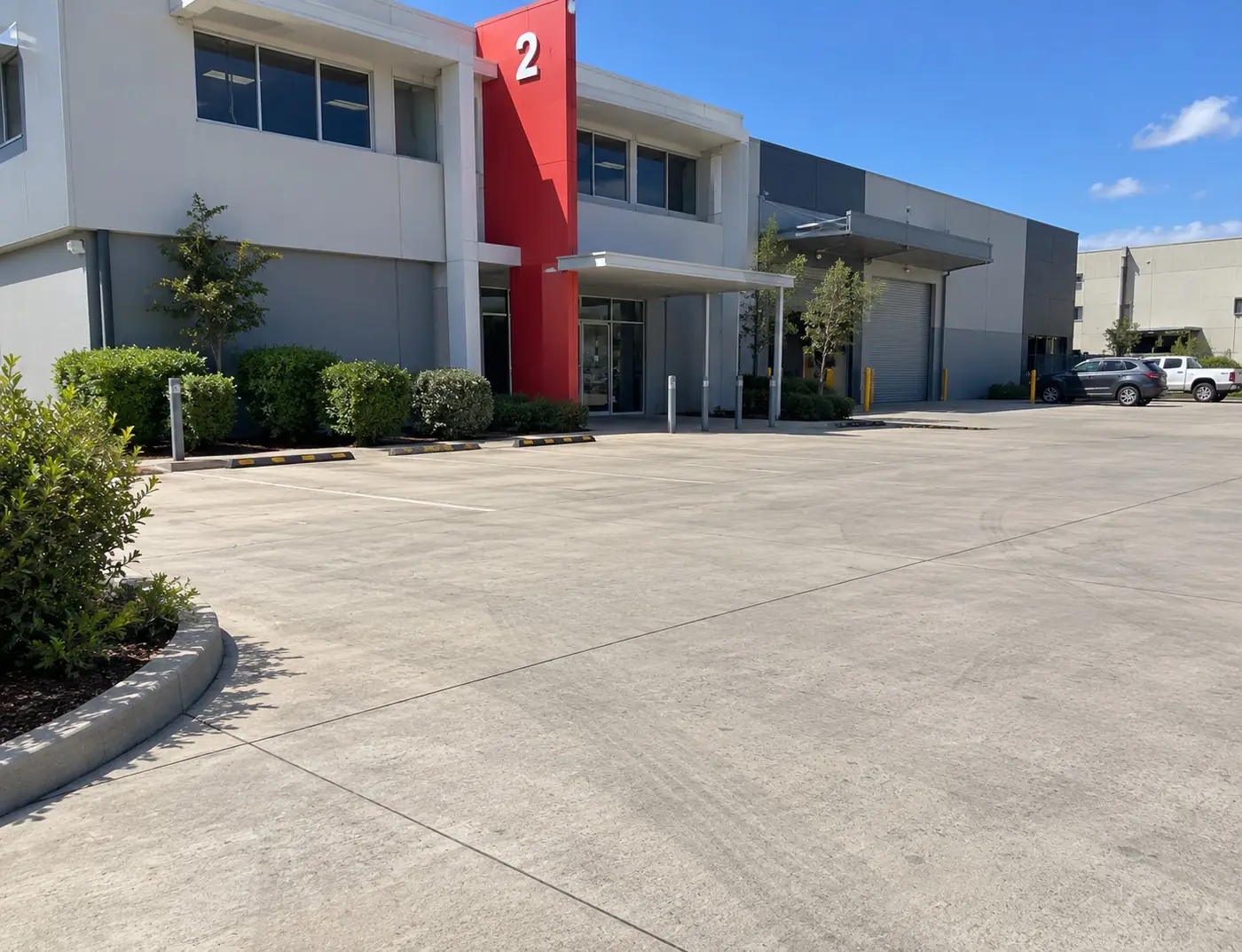
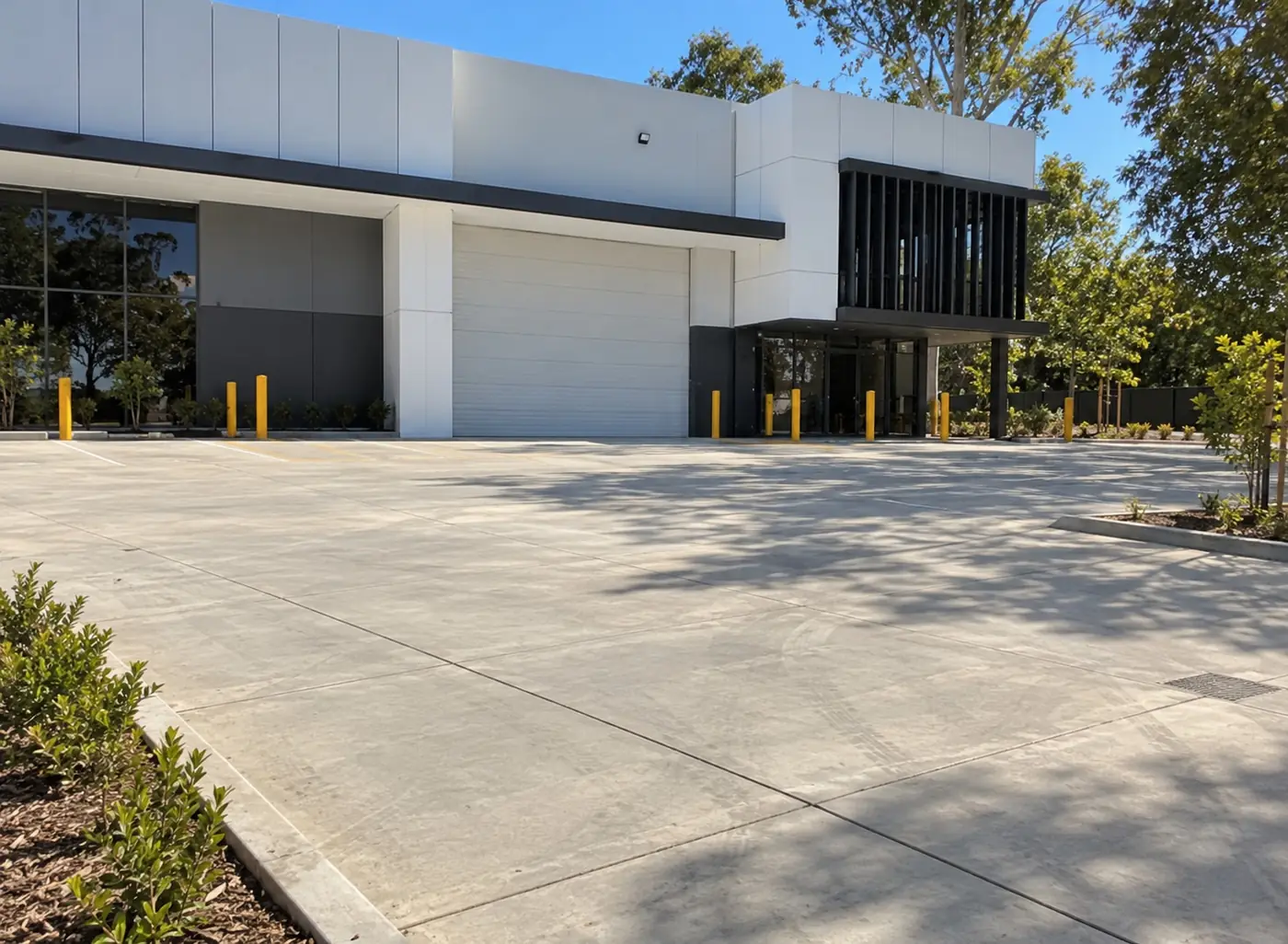
A Look at Our Wollongong Concrete Work



Slab Repair Questions
Answers to common questions from Wollongong property owners about cracked slabs, injection methods and when replacing makes more sense than repairing.
Not necessarily. Most hairline cracks are caused by normal shrinkage as concrete cures and are cosmetic. Signs that point to something more serious include cracks wider than a few millimetres, cracks that keep growing, edges at different heights, or doors and windows starting to stick. If you notice any of these, it's worth having a structural engineer inspect the slab before deciding on a repair.
Epoxy cures hard and bonds the two sides of a crack together, which makes it suitable for structural repairs where the crack is no longer moving. Polyurethane resins are generally used to stop water coming through a crack and can tolerate some movement, but they don't restore the same structural strength. The right choice depends on why the slab cracked and what you need the repair to do.
In most cases, yes, you'll still be able to see where the crack was. Injection ports leave small marks once removed, and sealed joints show as a line. If appearance matters, the area can sometimes be ground and coated or covered with floor finishes afterwards. We'll let you know what to expect before we start.
That depends on how much it has moved and why. Minor settlement at a joint may be manageable with grinding and sealing, but a slab that has dropped noticeably often points to a problem with the ground underneath, such as washouts from a leaking pipe or reactive clay movement. In those cases an engineer should assess it, and replacing the section may be the more reliable fix.
Repair usually makes sense when the concrete itself is sound and the cause of the crack has been dealt with. Replacement is worth considering if the slab is breaking up, the base has failed, the cracking is widespread or repeated repairs haven't held. We'll go through both options with you, and if an engineer is involved, their recommendation guides the decision.
More services that pair well
Worried about a cracked slab?
Tell us what you're seeing and we'll arrange an inspection and a clear recommendation on the best fix.