Concrete Removal and Rubble Cartage in Wollongong
Get a Free EstimateWollongong Concrete Removal Services
Cracked driveway? Unwanted slab? Old paths getting in the way of your landscaping plans? Sometimes the best option is to rip it out and start fresh. Concrete removal in Wollongong involves much more than just smashing things up. You need to think about access, equipment, disposal and protecting surrounding structures, trees and services.
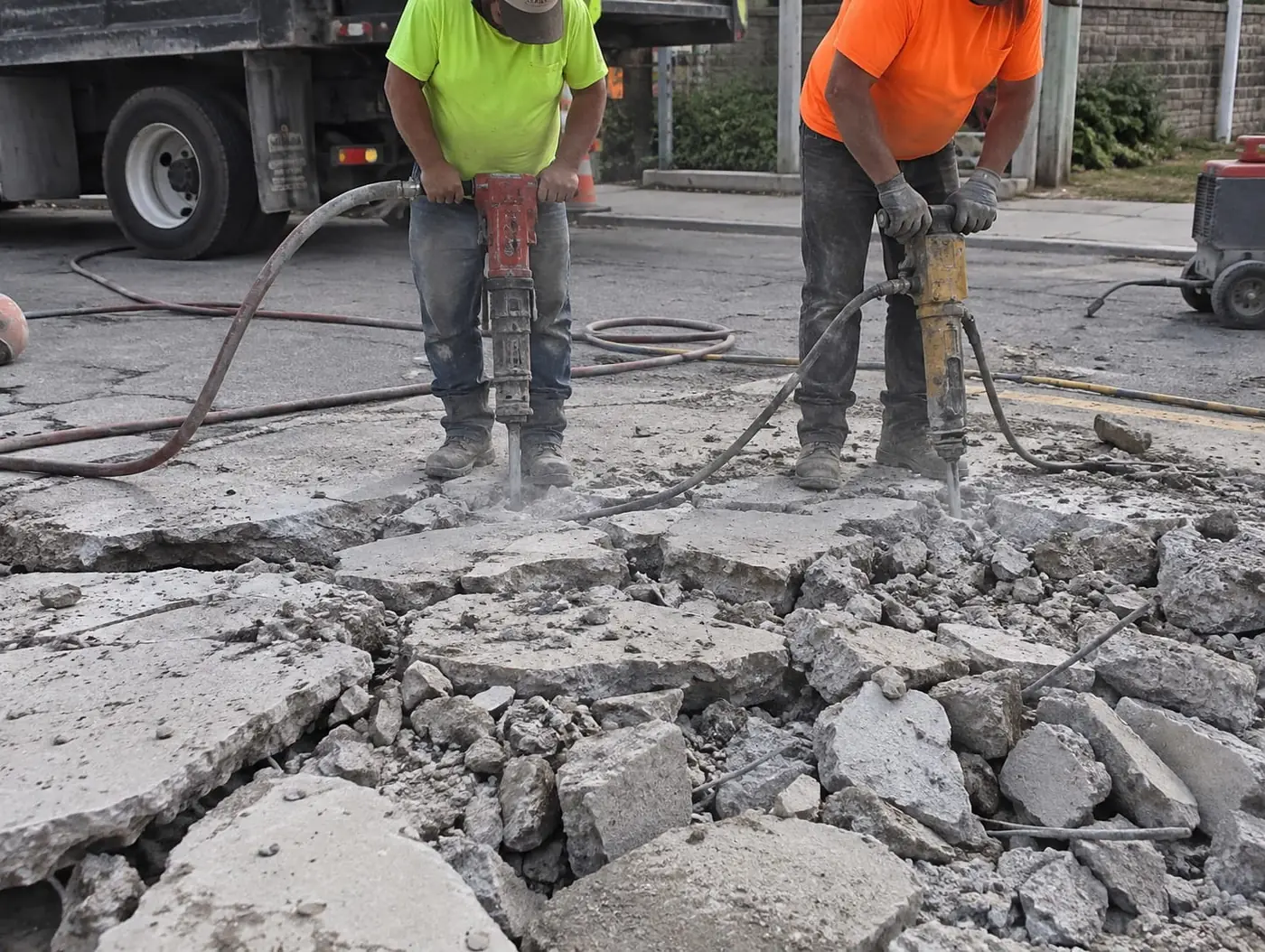
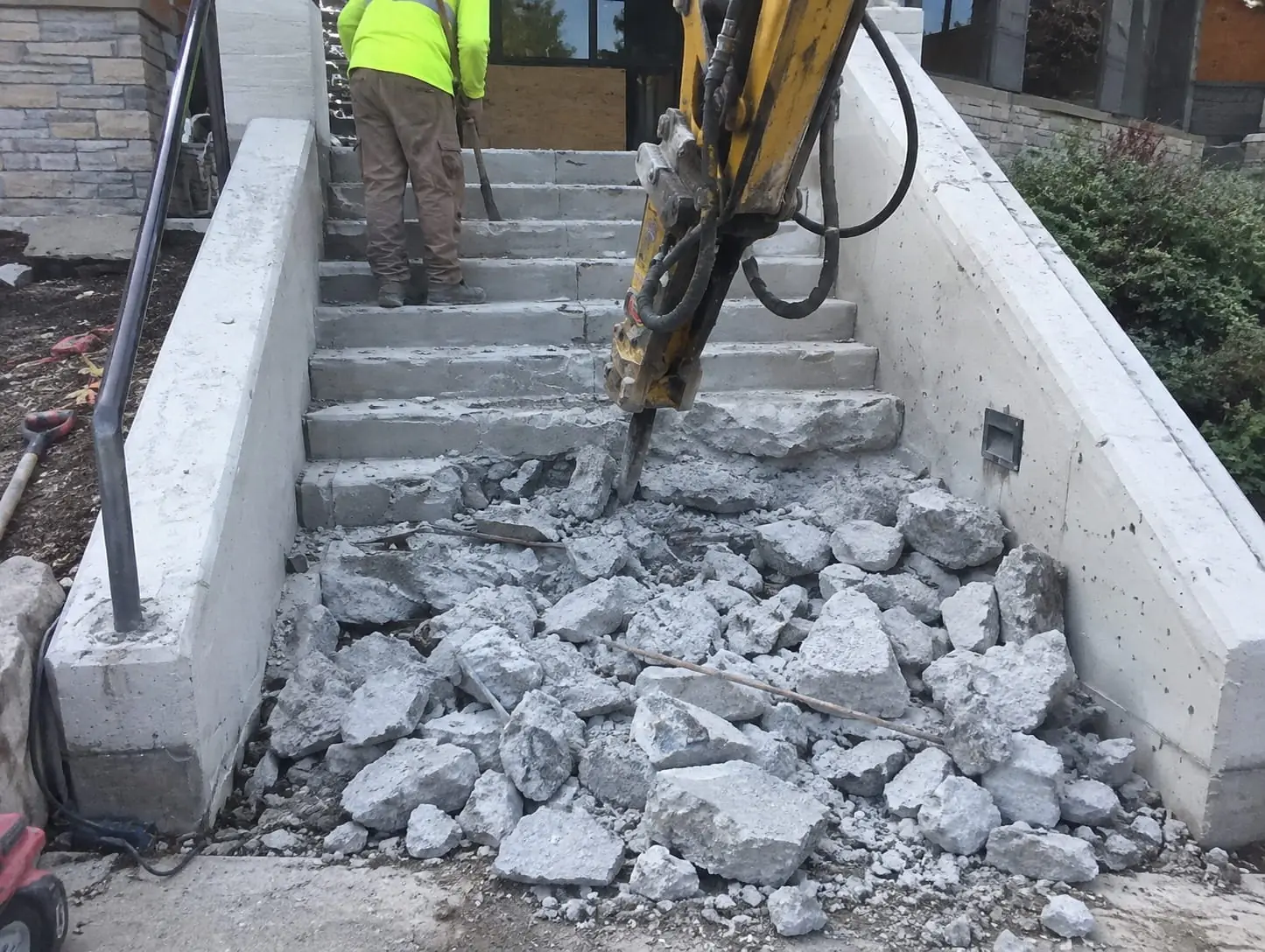
We use the right tools for the job, from hand-held breakers in tight backyards to excavators on larger sites, and we cart everything away so you’re not left with a pile of rubble. Whether it’s a small residential patch or a big commercial clear-out, we’ll keep things tidy and efficient. Once it’s gone, you’ve got a clean slate for whatever comes next. Chat to us about getting it done properly.
Concrete Removal Jobs Across Wollongong
Whole Driveway Removal
From thickened edges to the mesh inside, we break out and take away the entire driveway. Usually we start up by the house and work towards the street so trucks can load from the kerb, and if the crossover is being replaced too, we remove it in the same visit.
Leftover Shed and Carport Pads
Pulled down an old carport, shed or rainwater tank and now stuck with the slab? We break it up and haul it off, buried footings and hold-down bolts included, so you've got clear ground for a new build, a veggie patch or simply more grass.
Root-Damaged Paths
Large trees like figs, jacarandas and Illawarra flame trees can heave paths and pads badly out of level. We lift out the damaged sections, expose the roots responsible and run through your options, such as pruning, a root barrier or a new path line, before anything goes back down.
Concrete Under Decks and Carports
Slabs beneath carports, decks and storage areas often crack, or turn out to be too high for a planned renovation. We take them out with hand tools and compact breakers, working carefully around posts, pipes and anything above head height.
Clearing Old Pool Surrounds
Need the concrete around the pool gone without chunks landing in the water? We cover the pool first, cut the surround away from the coping and remove it in manageable pieces, so the area is ready for pavers, a fresh pour or new edging.
Taking Out Failed Panels Only
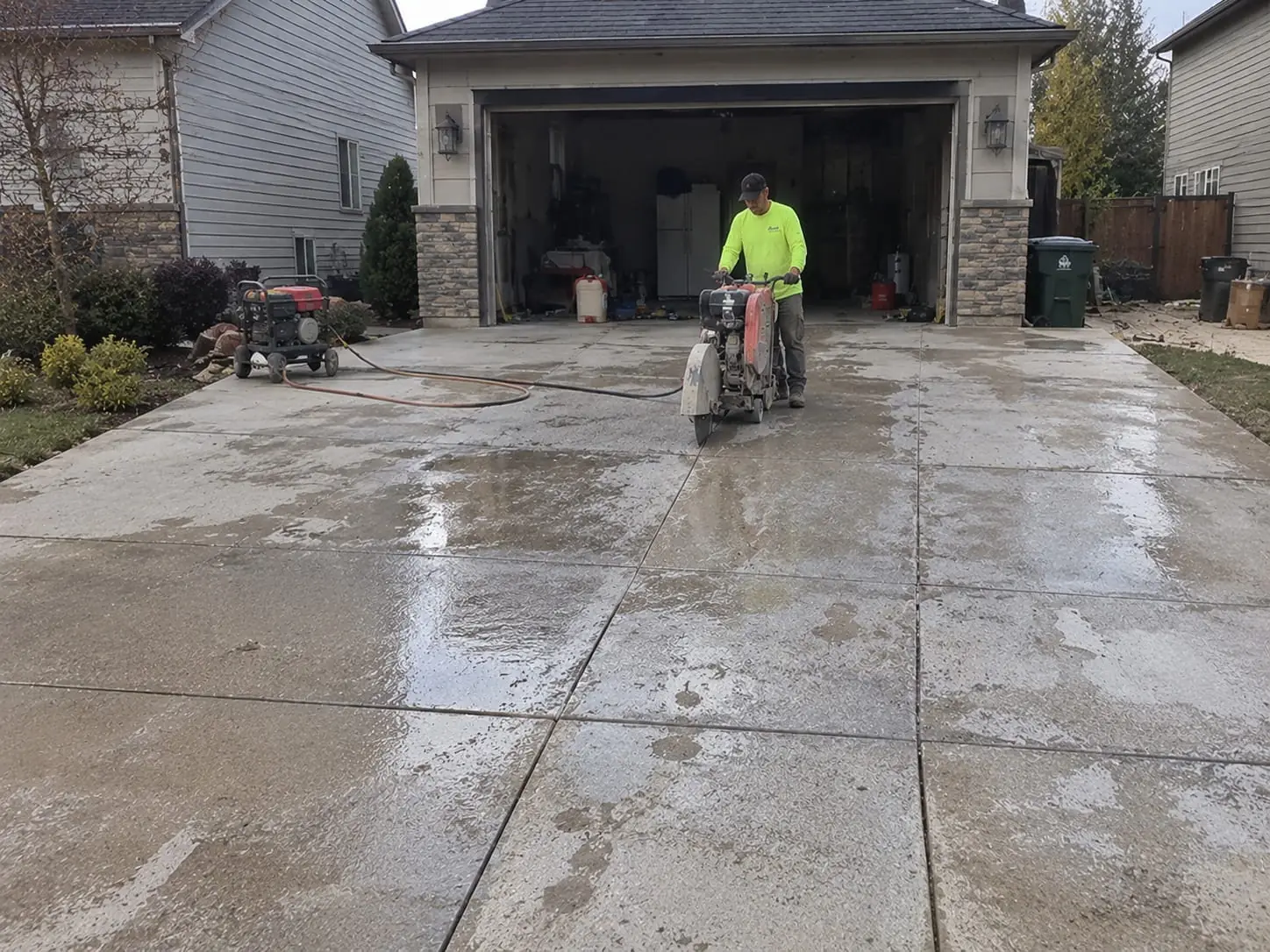
Frequently it's only one driveway bay or a short run of path that has let go. We saw back to the closest joint and remove just the broken panels, keeping the good concrete in place so the repair costs far less than starting from scratch.
Booking Concrete Removal in Wollongong, Step by Step
Whether it's a cracked driveway, a leftover shed pad or a patio blocking your renovation, safe removal relies on the right machines and a clear plan. Pick a starting point below and we'll handle the rest.
- Share a photo and rough measurements: One picture, approximate dimensions and whether it's reinforced lets us plan the equipment and bins.
- Show us how to get in: During a site visit we check gates, side access and overhead wires, and plan how the rubble will leave the block.
- Include the replacement in your quote: Laying new concrete afterwards? We can price removal, base preparation and the new pour together.
Breaking, loading and cartage are all on us, and we sweep the site before leaving. Wherever we can, clean rubble goes off for crushing and reuse. Narrow side passages and steep, rain-softened yards are common around the Illawarra, and our plans allow for both. Send us a message to arrange a free, obligation-free quote and get the space cleared.
What You Get From Our Wollongong Removal Crew
Understanding Why It Failed
Before we break anything, we look for the reason the old slab gave out. Reactive clay movement, water sitting underneath, a skimpy base or no reinforcement each leave signs, and spotting them now stops your new concrete going the same way.
Dust and Noise Kept Down
Breaking concrete makes noise and dust, so we keep the surface wet while cutting and breaking to manage silica. We stick to reasonable hours and give you notice before the loudest stages, so the neighbours aren't caught off guard.
Buried Services Located
Old slabs can sit over water lines, stormwater, power and irrigation that were never recorded. We order plans through Before You Dig Australia (BYDA) and check the site for meters, pits and conduits before any breaking begins.
Upfront Disposal Costs
Each tonne of broken concrete has a cost to truck and to drop at the recycler or tip. We measure the volume carefully at quote time and list disposal on its own line, so the final invoice holds no unpleasant surprises.
Ground Left Ready For The Next Trade
After the slab comes out, we trim and grade the ground so formwork, drainage or landscaping can start right away. There's no need to organise a separate tidy-up before the next crew turns up.
Timed Around Wet Weather
Late summer and autumn bring the Illawarra's heaviest falls, so we keep removal and the new pour close together. That way exposed ground isn't left sitting through a big downpour that washes out the base and turns the yard to mud.
A Look at Our Wollongong Concrete Work
Concrete Removal FAQs
What Wollongong homeowners usually want to know first: whether to remove or overlay, how pricing works, protecting the yard and what happens to the rubble.
That comes down to what condition the existing slab is in. When the concrete is structurally sound and only tired, stained or worn on top, resurfacing or a bonded overlay is usually the better call: it's cheaper, faster and there's no rubble. When the slab is cracked all the way through, has dropped unevenly or sits on a failed base, covering it just transfers the problem into the new surface, often within a year or two. Height is another factor, since extra thickness can cause trouble at doorways, the garage threshold and where the driveway meets the kerb. We'll tell you honestly which way to go, including when covering really is the smarter choice.
Mainly four things: how thick the slab is, whether there's steel in it, how easily our gear can reach it and how much there is overall. An unreinforced path lifts out quickly, while a heavy reinforced slab that machines can't reach takes a great deal longer. Disposal makes up the other big share of the cost, covering truck runs, the trip to the crushing yard or landfill, and gate fees. Narrow streets in older suburbs can restrict truck size and mean extra loads, and long rural driveways in the hills add travel to every trip. We measure up and check slab depth on site, then itemise removal, carting and tipping separately so every cost is visible.
Soft or wet ground can mark, so we plan for it from the beginning. We agree on an access route with you, put down track mats or plywood over anything that needs protecting and use smaller machines where the route demands it. Clay patches and low-lying ground near the creeks and lagoons around Wollongong turn soft after heavy rain, and sometimes the right move is to wait for things to dry out. If the only access route will leave marks on your lawn or paving, we'll tell you before you book so you can make the call.
We load it and take it off site. Clean concrete with no soil, timber or rubbish mixed through can normally go to a recycler and be crushed into road base or fill, which is usually cheaper than landfill and keeps it in circulation. Reinforced concrete is still recyclable, because the steel gets pulled out during crushing. If you'd rather keep some broken concrete on site for something like backfill around an ag drain, let us know and we'll tell you if it's fit for the purpose. Your quote states where each load is going.
We can still do it, though the approach and the cost change. With no machine access, the slab is broken up with jackhammers and small portable breakers and barrowed out to where a truck can park. That's common in Thirroul, Austinmer and other northern villages with narrow side passages, and on steep escarpment blocks where machines can't safely get down the slope. Because it's slower and more labour-heavy, the rate per square metre goes up. Now and then a mini excavator can fit through a gate or be craned over the house. After walking your property, we'll price the most practical method for your block.
Other services that pair with removal
Ready to get rid of that slab?
Let us know what needs removing and we'll arrange to inspect it in person.