Concrete Sealing in Wollongong
Get a Free EstimateWollongong Concrete Sealing Specialists
You’ve invested in a beautiful concrete surface, so why not protect it? Sealing is one of the easiest and most cost-effective ways to extend the life of your concrete, keeping it looking fresh while guarding against stains, moisture, salt and UV damage. Concrete sealing in Wollongong is particularly valuable given our salty sea air, heavy rainfall and strong sunshine, all of which can wear surfaces down over time.
A quality sealer can enhance colour, add a subtle sheen or leave a natural matt look, and some options even improve slip resistance. Driveways, patios, pool decks, paths and garage floors all benefit from a good seal. Regular resealing keeps everything looking its best and saves you money on repairs. Give us a call and we’ll get your concrete protected.
Concrete Sealing Services Across Wollongong
Fighting Mould on Shaded Concrete
Concrete on the shady side of a house can stay wet for days and turn black with mould. A sealer that reduces how much water the surface takes in leaves mould less to live on, so the area stays cleaner for longer and hoses off more easily when it does need a wash.
Protection for Beachside Properties
Anyone living close to the water in Austinmer, Thirroul, Bulli, Woonona or Kiama knows how salt coats everything outdoors. A sealer slows salty moisture working its way into the concrete, so driveways, paths and patios near the coast hold up better over time.
Sealed Garage and Carport Slabs
Bare concrete drinks up oil, brake fluid and tyre marks almost straight away. A hard-wearing clear or tinted sealer keeps spills sitting on top long enough to wipe away, cuts down the dust that settles on stored gear and gives the garage a much more finished look.
Reviving Decorative Concrete
UV gradually bleaches stamped, coloured and pebble finishes until they look flat. A colour-enhancing sealer restores the richness of the stone and pattern, and you can choose the sheen, anywhere from near-natural to a deeper wet look.
Stripping Failed Sealer
When an old sealer has gone white, turned cloudy or started peeling in patches, it has to come off first. Putting a fresh coat over a failing one simply locks the problem in, so we remove it with the correct stripper and begin again on clean concrete.
Entries, Steps and Front Paths
Front paths, steps and porches cop daily foot traffic, dropped leaves and runoff from the garden. A sealer helps them shrug off dirt and the tannin stains that drip from overhanging trees, so the approach to your door looks looked-after between cleans.
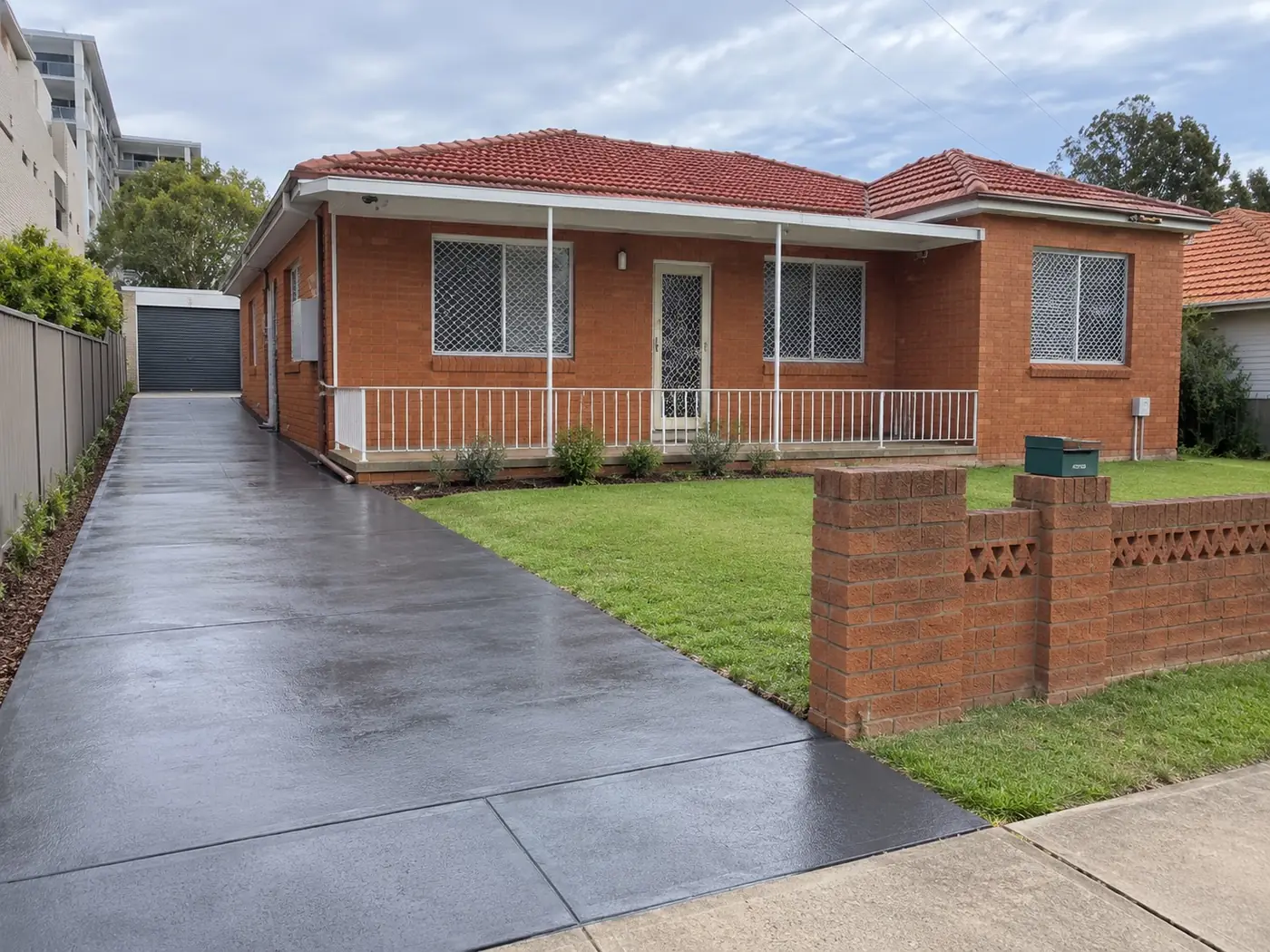
Three Easy Steps to Sealed Concrete in Wollongong
Unsealed concrete around Wollongong soon picks up black mould, oil spots and faded colour, particularly in shady, damp areas. The right sealer keeps it cleaner for longer, and getting it organised is simple.
- Take photos of the worst spots: Capture the oil marks, mould or tyre stains and tell us whether it is a driveway, patio or pool surround.
- Have the surface assessed: We visit to see how porous the concrete is and whether cracks or old coatings need dealing with before any sealing.
- Pick a look: Choose a natural low-sheen finish or a glossier wet look that lifts the colour, and we will explain how much grip each one has.
A sealer can only perform on genuinely clean concrete, so we pressure wash, treat any mould and patch small defects before applying anything. You will also get an honest idea of how often your surface will need resealing on the Illawarra coast. Reach out through the form and we will organise a free quote.
How We Seal Concrete in Wollongong
A Test Patch Before the Full Job
Certain sealers darken concrete more than people expect, colour enhancers on plain grey slabs in particular. We do a small hidden section first so you can check the colour shift and sheen in daylight before we carry on with the rest.
Breathable Sealers Where Ground Stays Wet
On low-lying land such as the Towradgi and Fairy Meadow creek flats or near the edges of Lake Illawarra, slabs can wick moisture up from below. In those spots we favour breathable sealers that let vapour escape, so the finish does not lift or go white after heavy rain.
Scheduled Around the Forecast
Rain landing on wet sealer leaves marks and soft patches. Because a shower can roll in at any time of year here, we book sealing for a stretch of dry, settled days, keep an eye on the radar and would rather reschedule than rush to beat a storm.
Thin, Even Coats Every Time
Sealer that is laid on too heavy or left to pool in low spots is the first to whiten and flake. We apply measured coats with the right roller or sprayer and back-roll as we work, giving the edges and joints the same even cover as the centre.
Careful Masking and Clear Timings
Overspray on render, garage doors or plants is difficult to clean off once it has cured. Walls are masked, gardens covered and doorways taped before we start, and we let you know exactly when the surface is ready for feet and then for cars.
Patience With Freshly Poured Slabs
New concrete holds a lot of water, and in humid coastal air it gives that water up slowly. We hold off until the slab is properly ready, even if it means a return visit, because sealing too soon leaves a cloudy, milky haze.
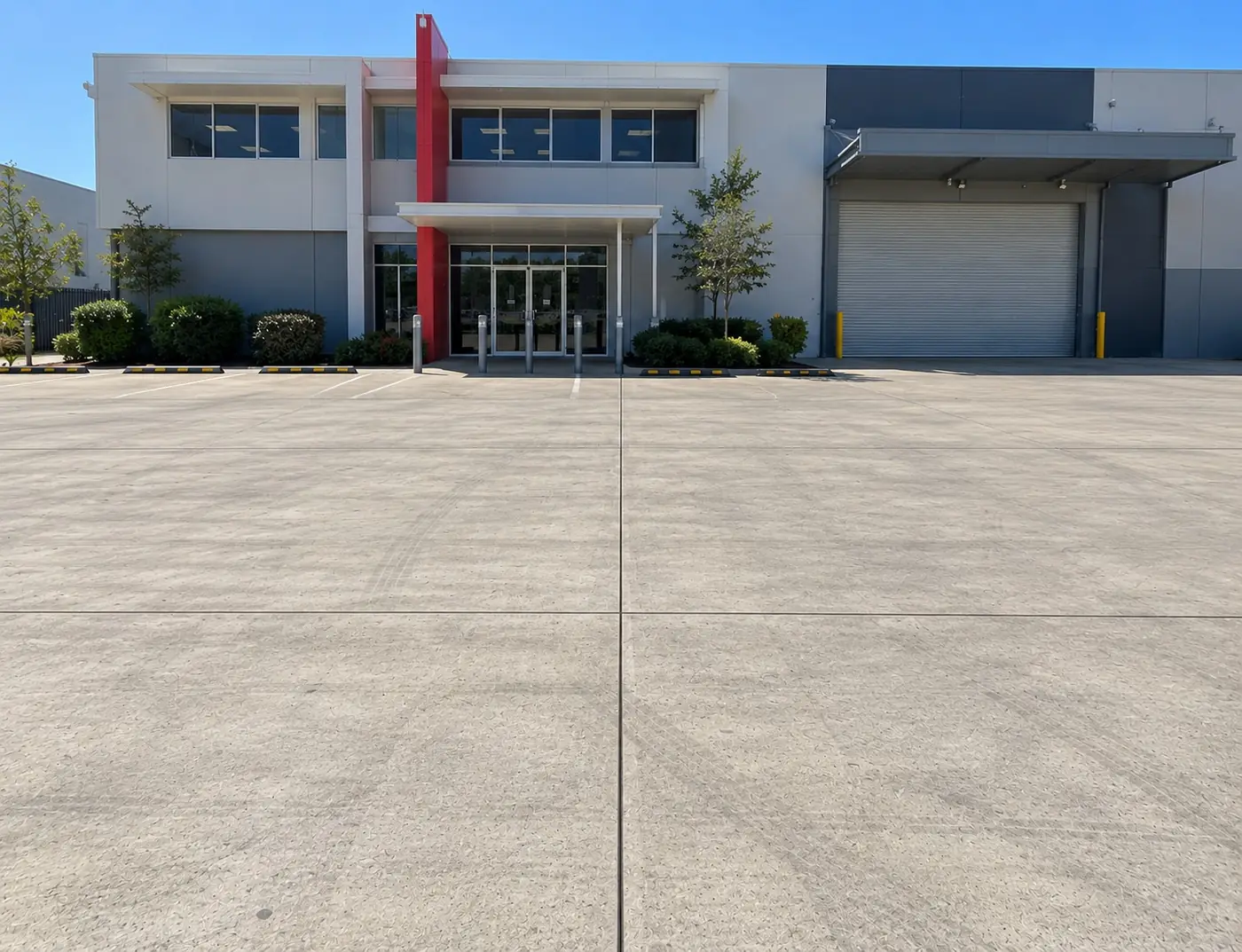
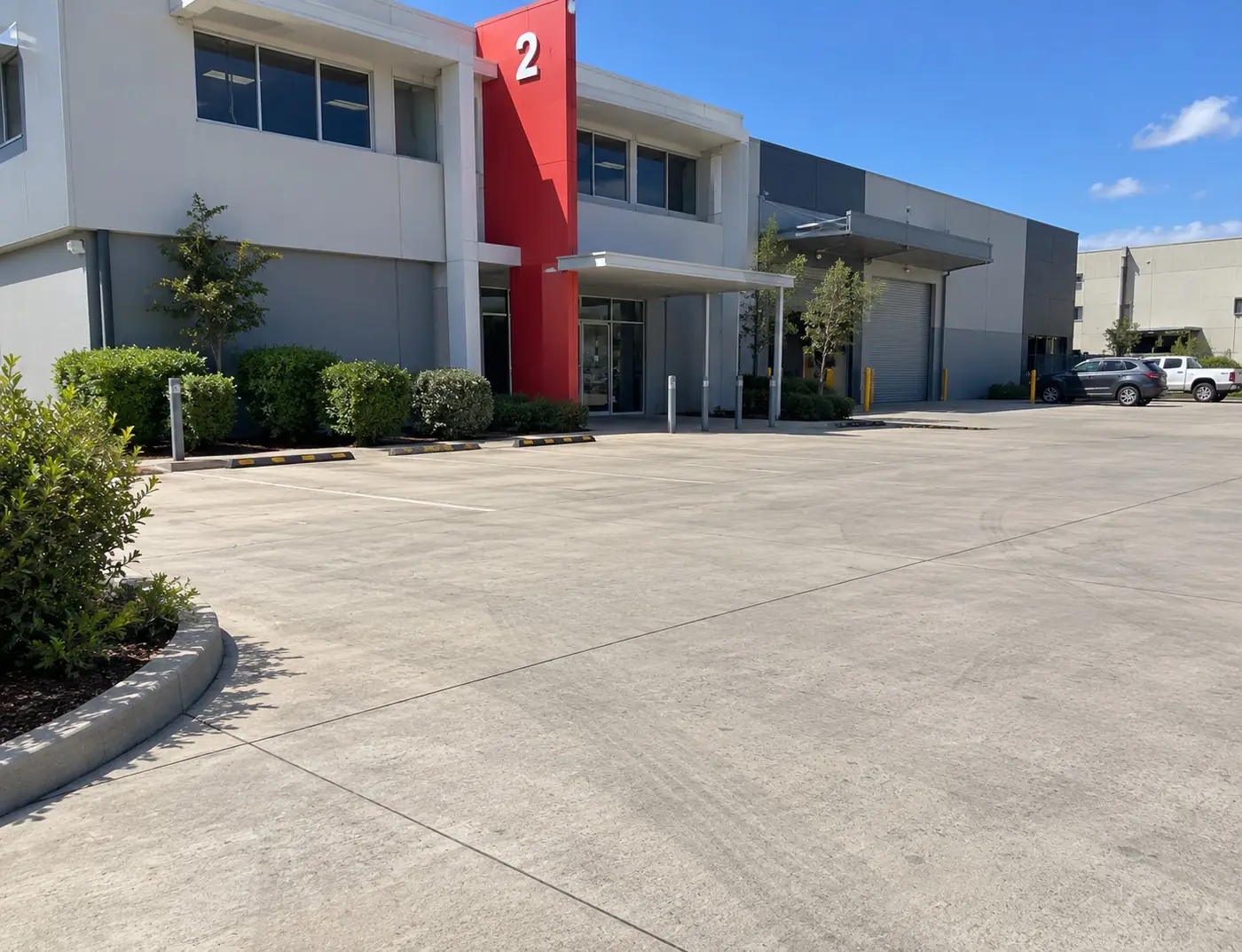
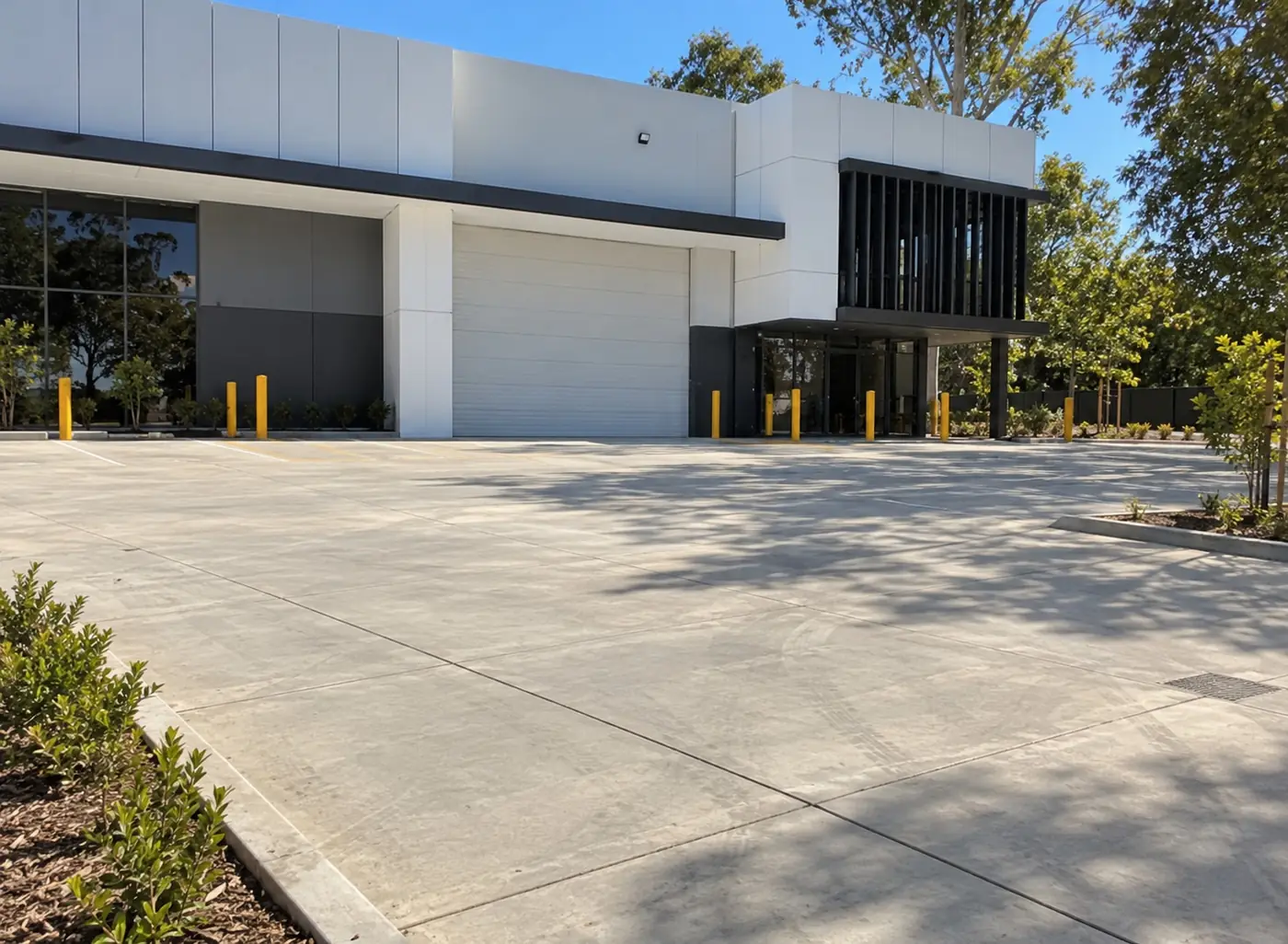
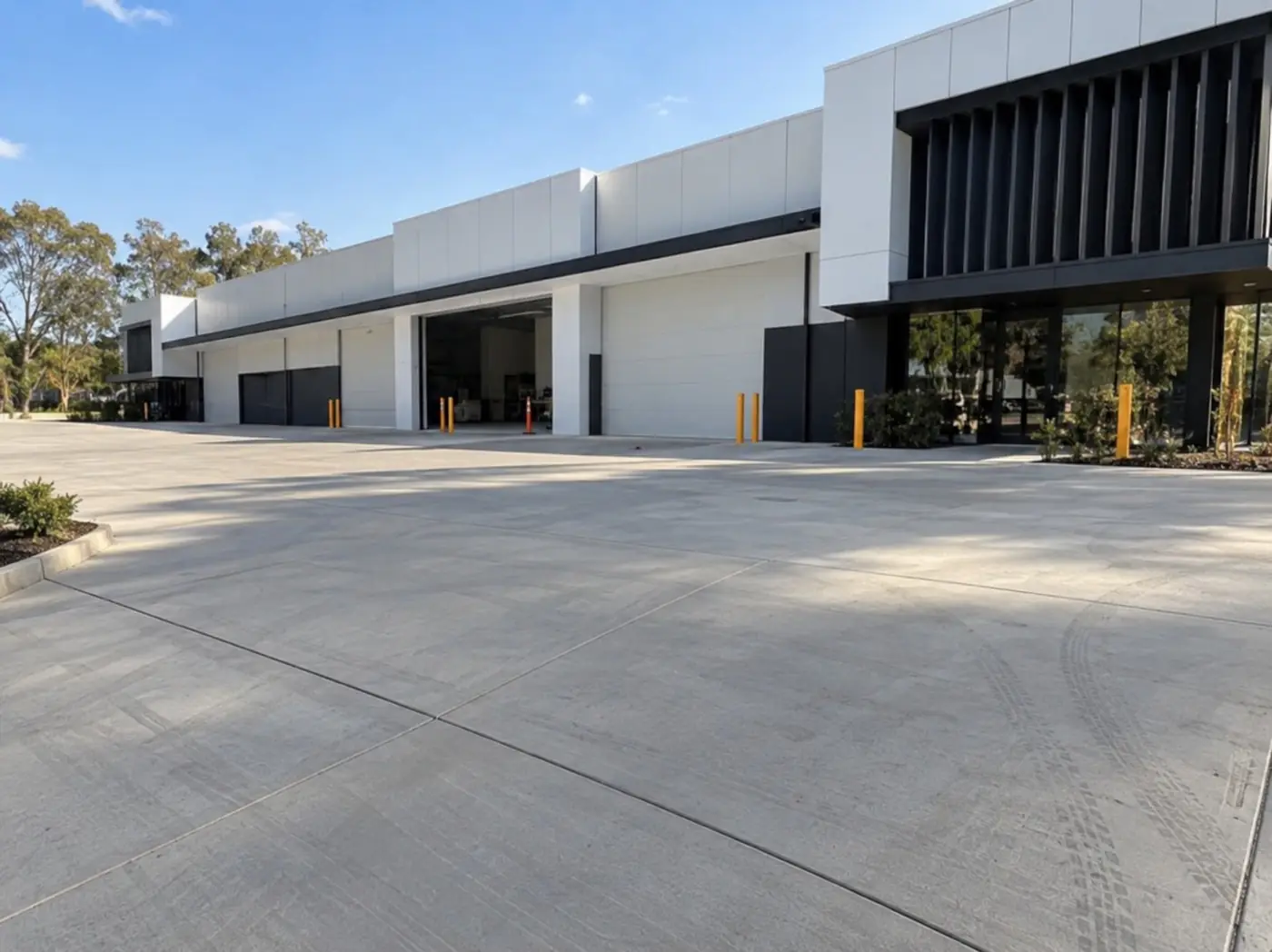
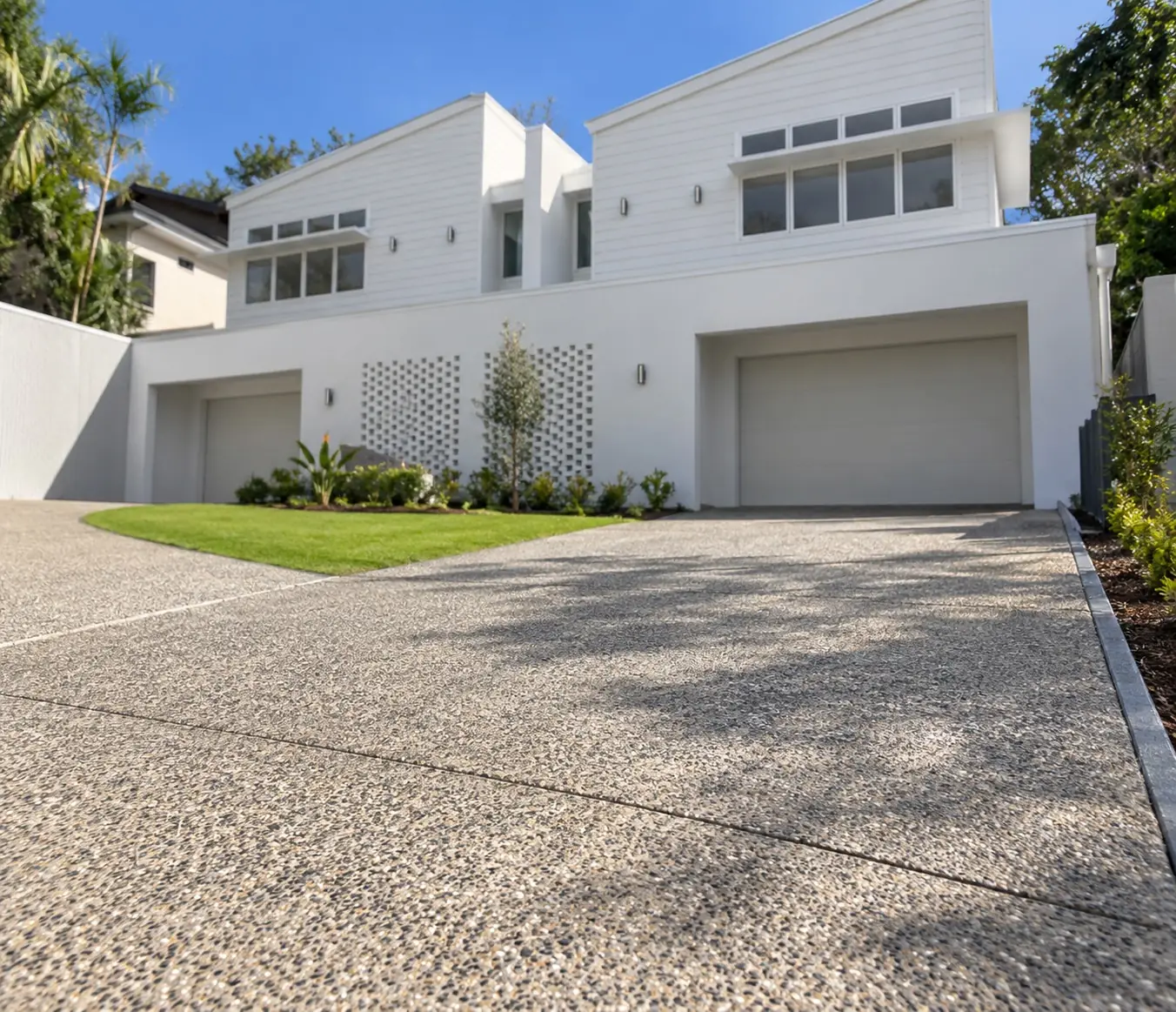
A Look at Our Wollongong Concrete Work

Concrete Sealing FAQs
The sealing questions Wollongong homeowners ask us most: how long a sealer lasts, whether it stops cracking, keeping grip when wet, sealing old stained concrete and choosing the right type.
Somewhere around every three to five years is a reasonable guide, but sun exposure, traffic and sealer type all shift that. A west-facing driveway baking in afternoon sun with daily car traffic wears much faster than a covered patio. Penetrating sealers fade away slowly, while film-forming sealers tend to wear first in the wheel tracks. A simple check is to tip some water on the surface. Beading means the sealer is still working, but if the concrete darkens and drinks it in, a reseal is due. Uneven colour, chalky stones and mould coming back quickly in shaded areas are other clues.
Sadly, no. Cracks are caused by shrinkage as the concrete cures, movement in the ground below and loads heavier than the slab was built for, and nothing applied to the surface can change those. In the Wollongong area, reactive clay or badly drained ground that swells when wet and shrinks as it dries is often behind it. Sealing does cut down how much water enters the concrete and its fine cracks, which slows surface wear and mould growth and, over many years, helps keep moisture off the reinforcing steel. It helps the slab age gracefully, but if cracks are widening, the cause needs to be looked at first.
It can be, especially where a glossy film-forming sealer goes over smooth or honed concrete, and that is a genuine concern on a sloping driveway or around a pool after rain. There are reliable fixes. A fine anti-slip grit can go into the final coat, which is barely noticeable once dry but gives shoes and tyres far better traction. Penetrating sealers hardly change the surface texture, so they are a good choice where grip is the priority. Picking satin or matte over high gloss also helps. We will flag any areas at your property where we think grip should win over shine.
Generally yes, provided the slab is sound, although the cleaning matters more than the sealer. Anything left on the surface is trapped under the coat, so most of the effort goes into degreasing oil marks, treating mould and lichen and, for stubborn stains, a light grind or etch to open up the concrete. Some old marks, such as rust from a trailer or oil that has soaked in for years, may lighten without vanishing, and we will point those out before starting. If the whole driveway is stained but structurally fine, a resurfacing coat could be better value than cleaning and resealing.
Penetrating sealers soak into the concrete and react within the pores, lowering water absorption without leaving a visible layer. The surface keeps its natural appearance and feel, with no shine and nothing to peel, though it resists oil and food stains a little less well. Film-forming, or topical, sealers sit on top as a thin coating. They offer stronger stain resistance and can enrich colour or give a wet look, but they wear and will eventually need stripping or a careful recoat. Exposed aggregate and coloured concrete usually suit a topical sealer, while a plain driveway you want kept natural often suits a penetrating one.
More services worth a look
Is your concrete due for a seal?
Let us know which areas you want protected and we will come out to check them.