Digging Contractors for Wollongong Homes
Get a Free EstimateWollongong Digging Services
Sometimes you just need a hole dug, and you need it done properly. From footings and post holes to drainage lines, garden beds and service connections, digging jobs of every size need careful planning and the right equipment. Professional digging in Wollongong means working with all sorts of ground conditions, from soft sandy soil near the coast to hard clay and rock up on the hills.
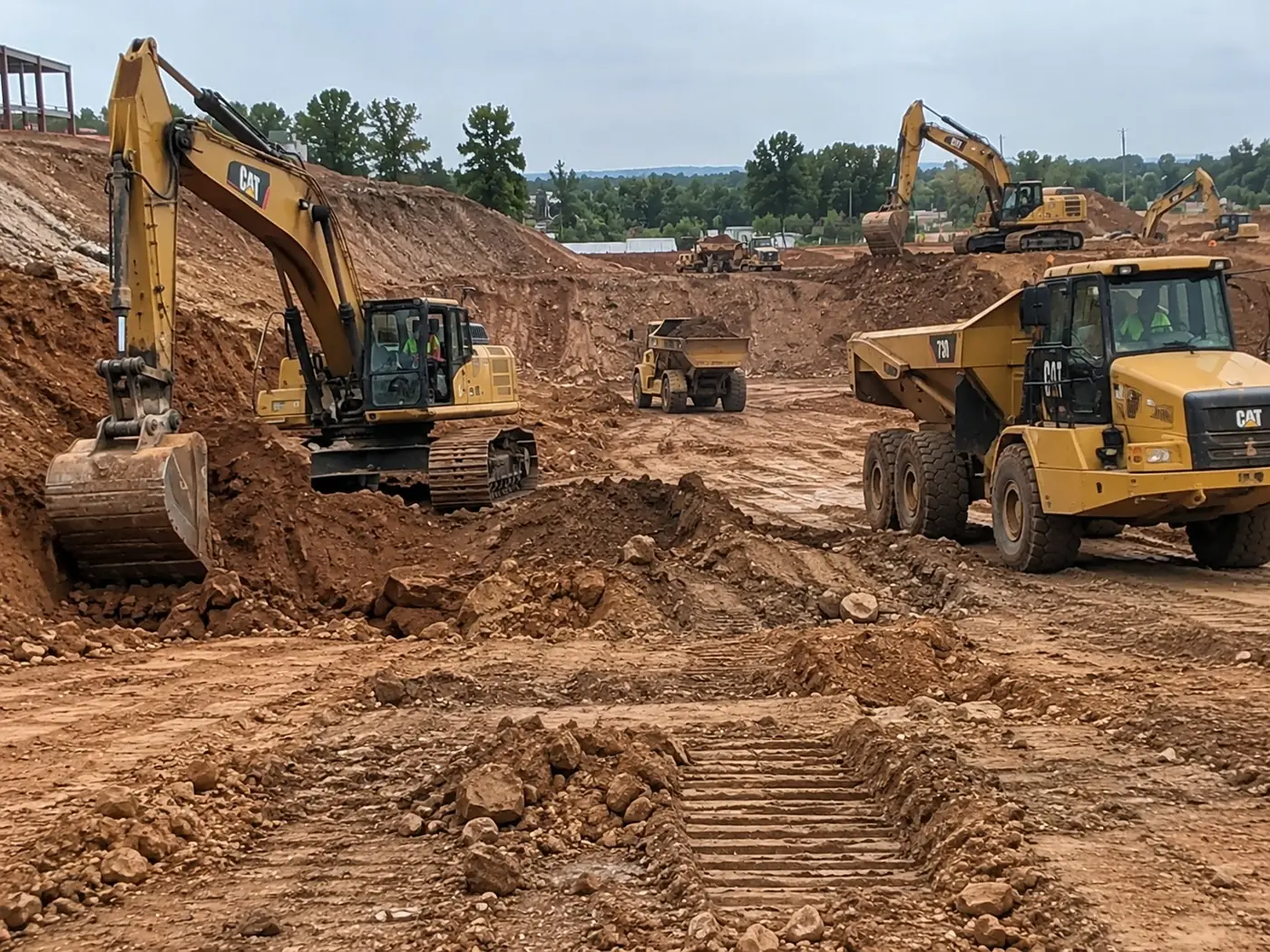
We bring the right machine for the job, whether that’s a mini excavator for tight backyards or something larger for bigger sites. Safety is a priority, so we always check for pipes, cables and other hidden services before breaking ground. We keep the site neat, handle the spoil and leave you with a job done right. Got a hole that needs digging? Give us a call.
Digging Jobs We Do Around Wollongong
Post Footings for Sails, Pergolas and Carports
A strong southerly buster puts a lot of strain on shade sail posts, so their footings need to be generous. We dig holes for sails, pergolas and carports to the dimensions on the engineer's or supplier's drawings, leaving them ready for concrete and brackets.
Drainage Trenches and Soak Pits
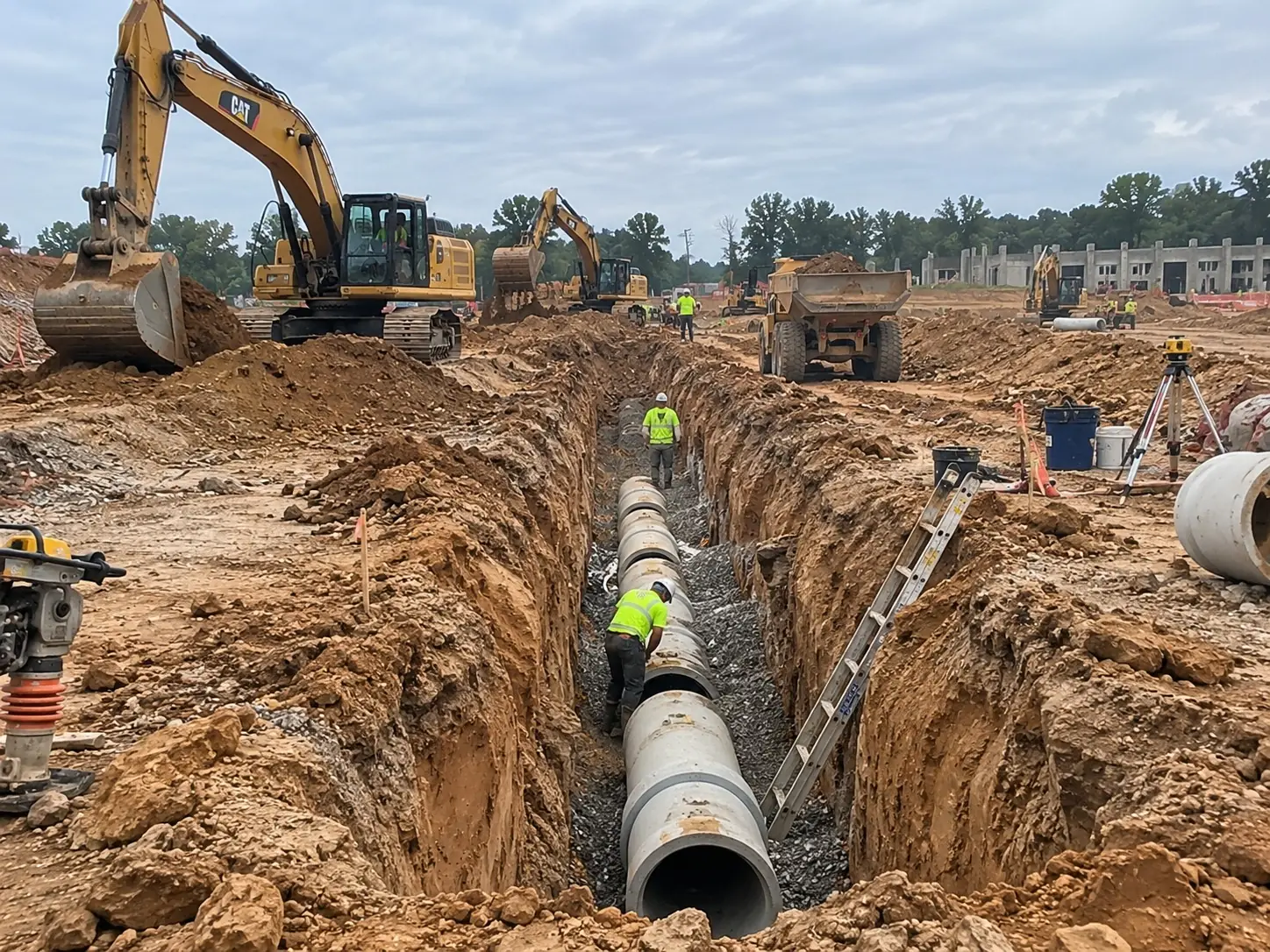
Trenches for downpipe lines, grated drains and rubble pits are dug with a consistent fall so water can actually escape during a heavy downpour. On flat blocks near the beach that fall is easy to get wrong, so we check levels as we go rather than guessing by eye.
Garden Beds and Planting Holes
Putting in advanced trees or palms, building new garden beds or getting ready for turf? We'll save you a long, hard day on the shovel. We can also break up compacted clay or fill at the base so roots spread outward instead of circling in a hole that holds water.
Old Stump and Root Removal
We dig out old stumps and heavy root balls so the ground can be used for paving, lawn or a new slab. If they're left in, they usually rot and cause the surface to settle later, so we get out as much as is practical and backfill the hole.
Narrow Service Trenches
Slim trenches for water lines, irrigation, conduit out to the shed and similar runs, dug to the depth your plumber or electrician specifies. We keep them straight and neat so pipes and cables go in quickly, then backfill once your trades are finished.
Box-Outs for Paths and Small Slabs
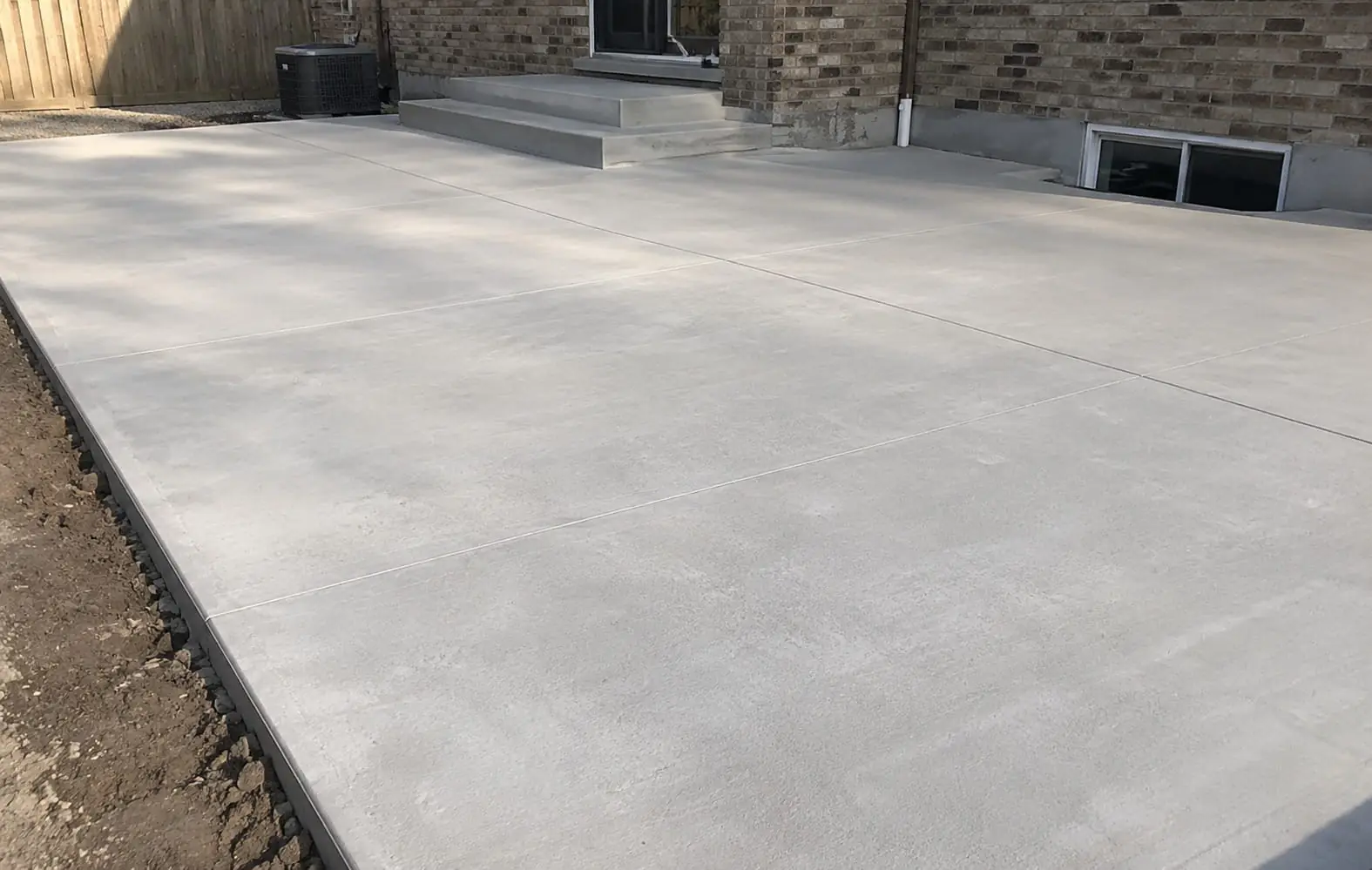
Shallow box-outs for new paths, tank pads, small slabs and pavers are dug to an even depth to suit the base and concrete. A clean, consistent box-out saves on materials and avoids thin sections in the concrete that tend to crack.
How to Book Digging in Wollongong
Whether it's a single post hole or a whole grid of footings, a little planning makes any dig run smoother. These three steps are the quickest way to get us booked in.
- Send us the basics: Use the contact form to tell us what's being dug, the rough size and depth, and your suburb, so we bring the right machine.
- Film the access: A short video of the yard, side gate and any level changes shows us whether a mini excavator or a larger unit will fit.
- Mark out the dig: Paint or peg the spots you want dug and send a photo through, so we can price it accurately.
When we know what's involved, you'll get a straightforward quote and a booking time that suits. Service plans are checked before we dig, we work carefully around fences, pipes and garden beds, and the spoil is dealt with before we go. Ready to start? Get in touch with our Wollongong crew for a free quote.
What Wollongong Locals Can Expect From Our Digging Crew
Holes Set Out Accurately
Fence lines, pergola posts and pier layouts all depend on each hole landing in the right spot. We run string lines and measure off your plans or pegs before the auger starts, so posts and piers line up first time.
Solid Ground Underneath
Concrete poured on loose soil leaves a footing without proper support. We clean each hole out down to undisturbed ground, which is a small extra step that makes a big difference to how a footing holds up over the years.
Your Yard Looked After
Machines and barrows can chew up a yard in no time. We lay protection mats where they're needed, keep to one access track and clean up when we're done, so lawns, paving and garden edges are left in good shape.
Open Holes Kept Safe
Leave a footing hole open through a summer storm and it fills with water and caves in. We aim to dig as close to pour day as possible, and any holes left open are covered or barricaded to keep kids and pets out.
Finished To Your Trade's Specs
Holes and trenches are dug to the depth and width your plumber, sparky, fencer or concreter asked for, with spoil stacked well away from the edges, so they can get stuck in the moment they arrive.
Small Digs Welcome
Just a handful of post holes? It still deserves to be done properly. We're happy to quote small, simple jobs and give them the same attention to set-out, depth and tidy-up as a big project.
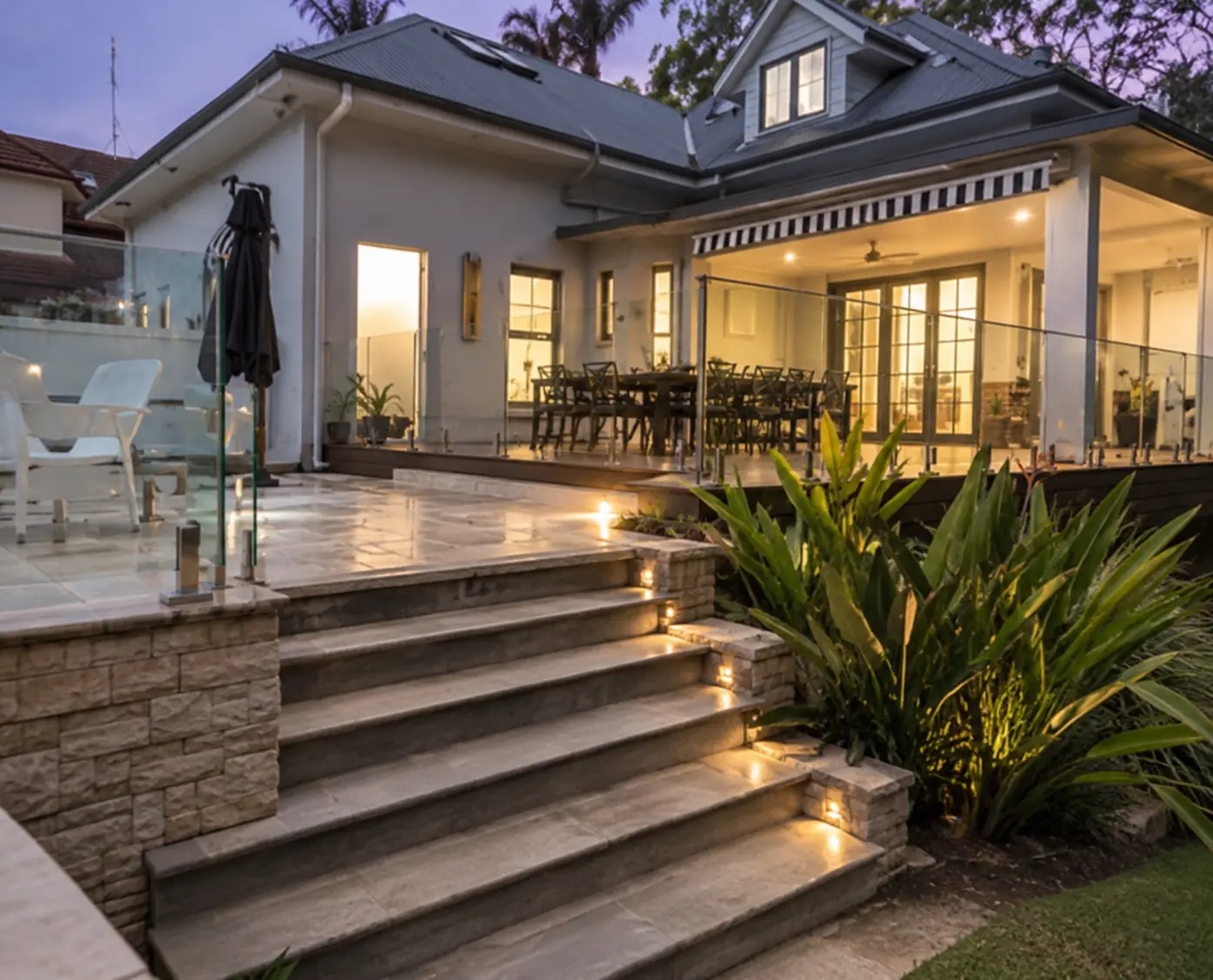
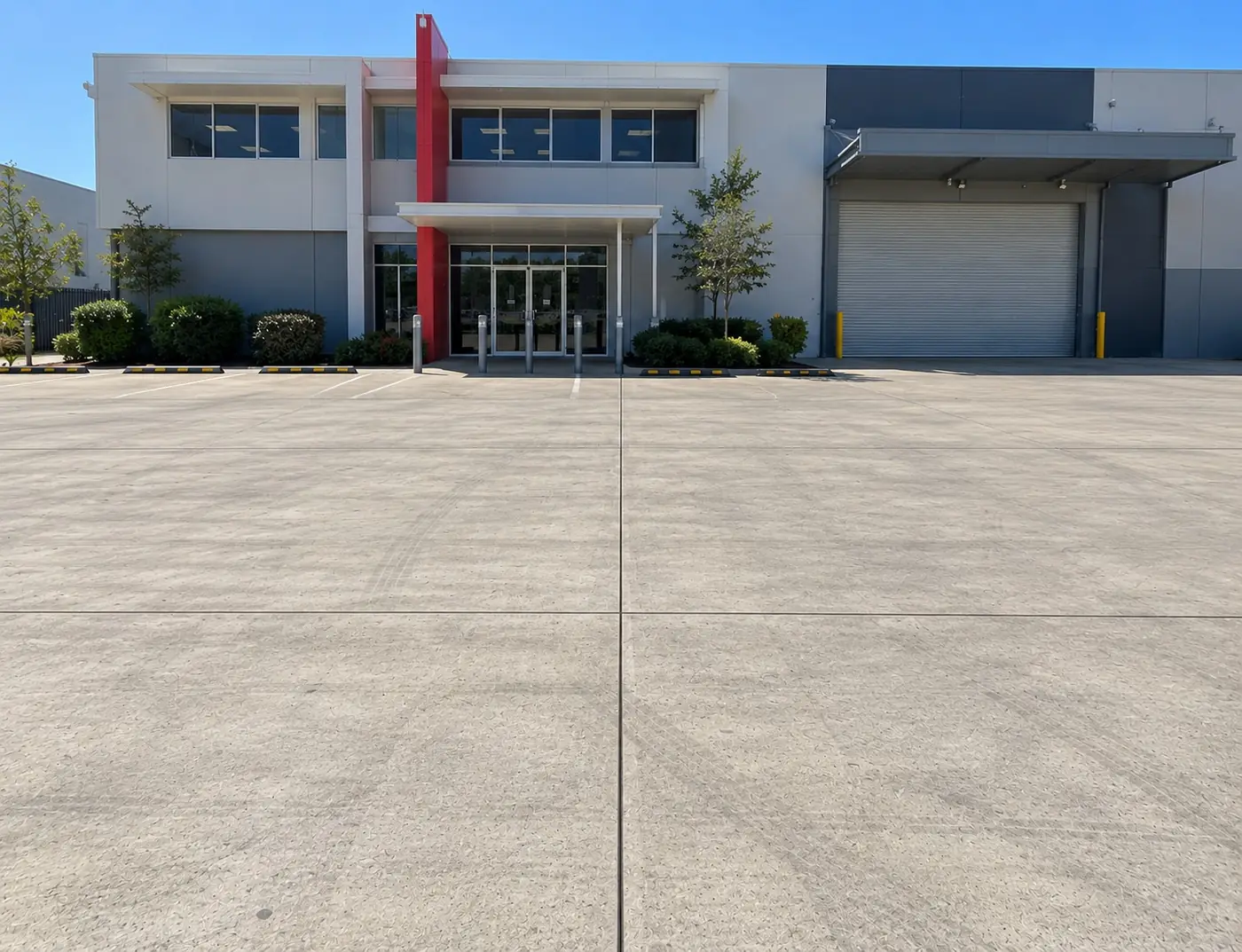
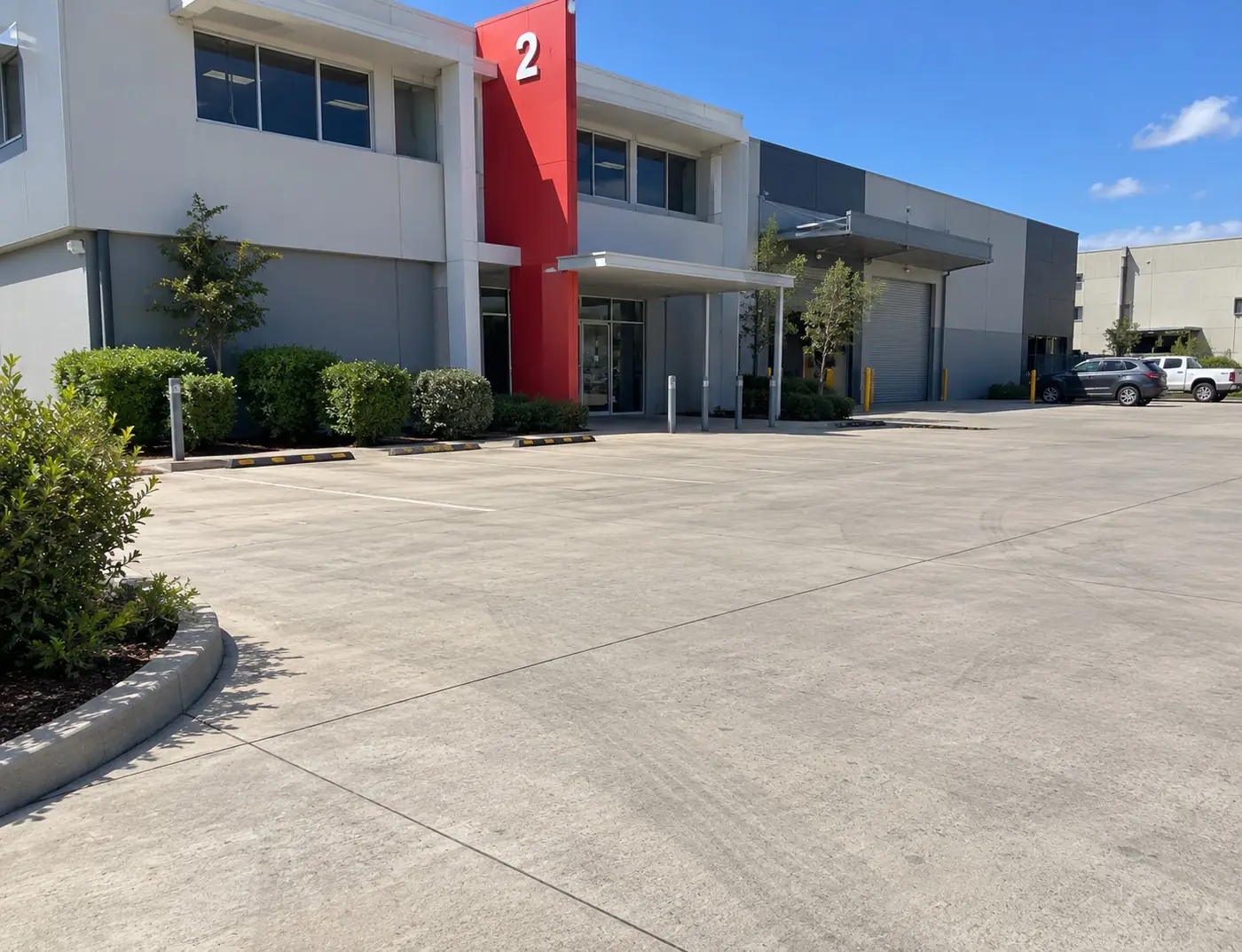
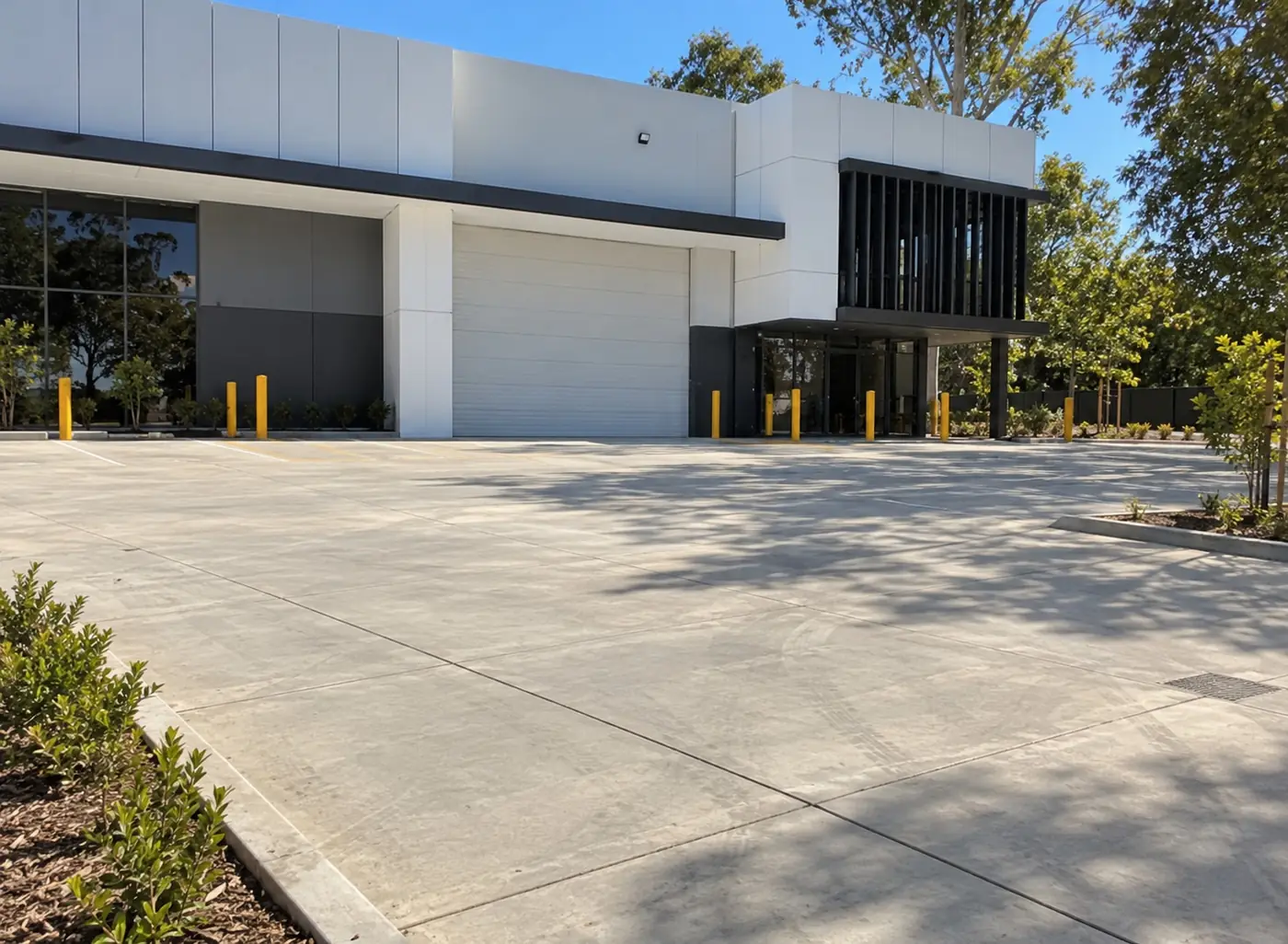
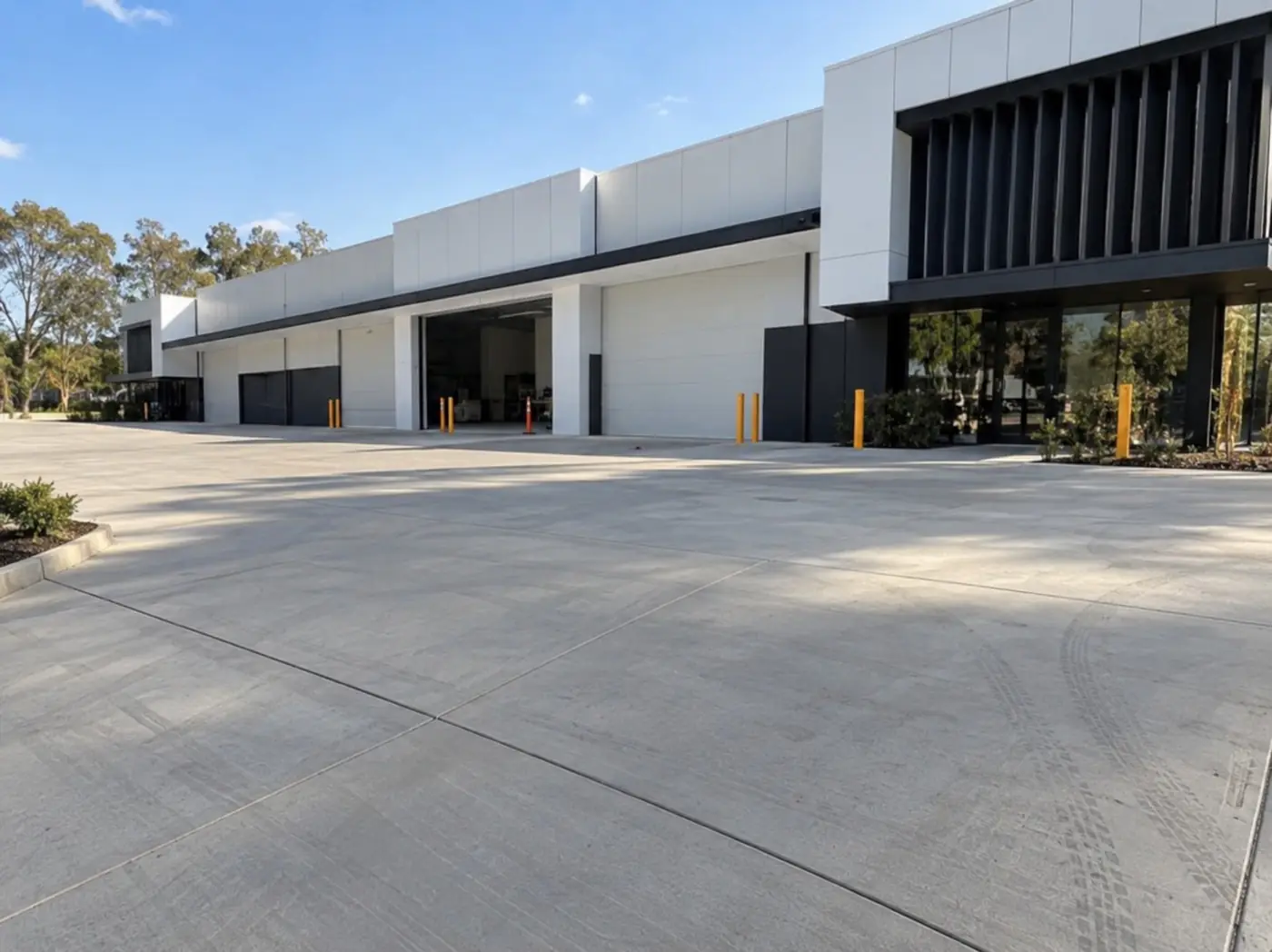
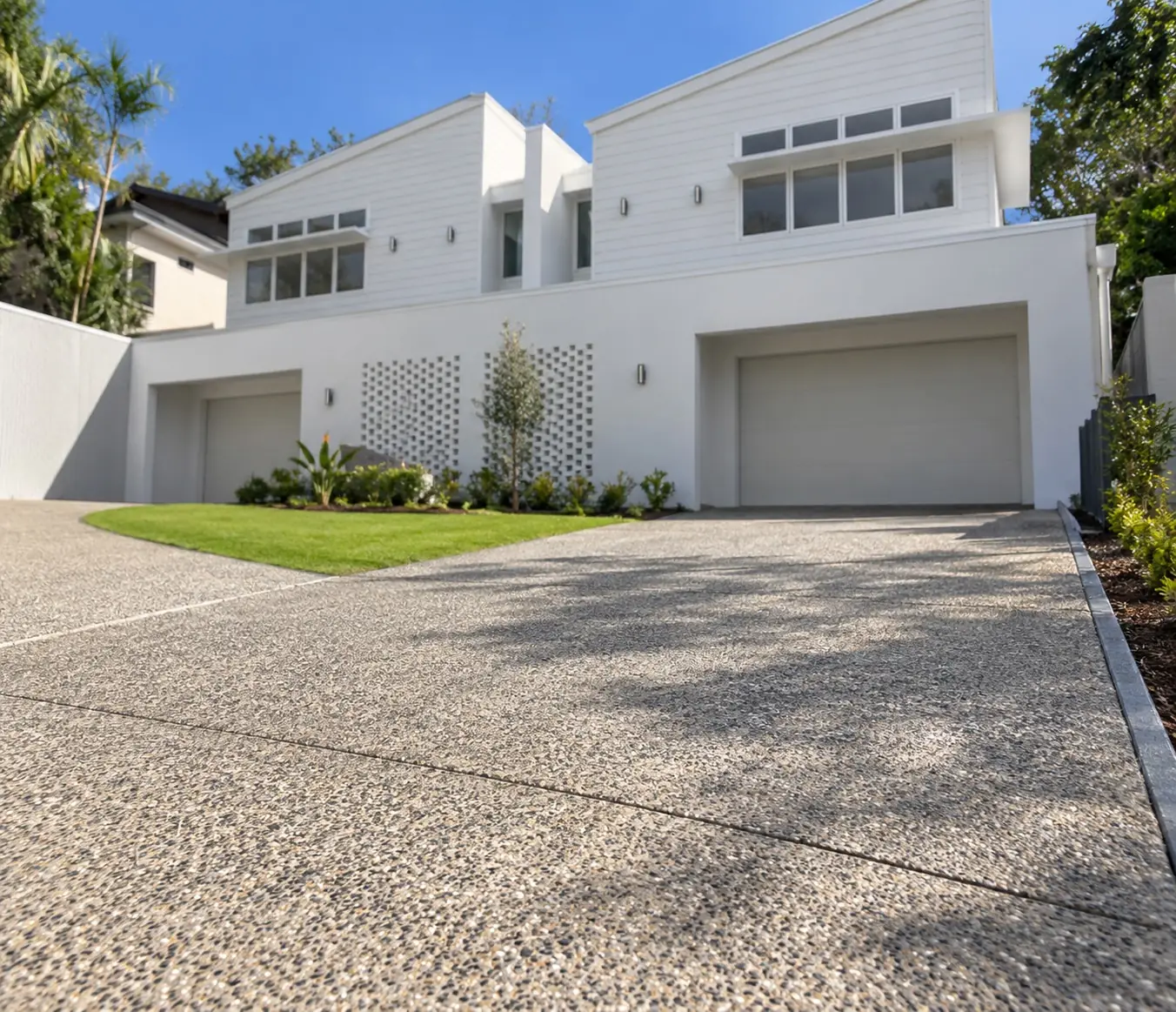
A Look at Our Wollongong Concrete Work
Digging FAQs
Things Wollongong homeowners commonly check before a dig, including how it differs from excavation, post hole depths, rock, buried services and spoil.
The main difference is scale. Excavation covers the larger earthmoving work, such as building up a house pad, levelling ground for a driveway or moving big volumes of soil around a site. Digging is smaller and more precise: individual post and pier holes, footing trenches, a pad for a water tank, pulling out a stump or preparing a spot for a tree. The two usually need different machines and crews and are priced in different ways, which is why we list them separately. If you're unsure which applies to you, describe what you're after and we'll recommend the right approach with a clear price.
As a general guide, about a third of the post's height above ground should go below it, so a 1.8 metre fence typically needs holes around 600 mm deep. Gate posts, and anything load-bearing or swinging, need deeper and wider holes. Soil type also plays a part. Sandy or filled ground needs more depth before it firms up, reactive clay that swells and shrinks between wet and dry spells can slowly push posts out of line, and soft, waterlogged ground near creeks or on rural blocks needs more again. On exposed coastal sites hit by strong southerly busters, shade sail and carport posts should follow footing sizes from an engineer or supplier, and if the drawings give a size, that's what we dig to.
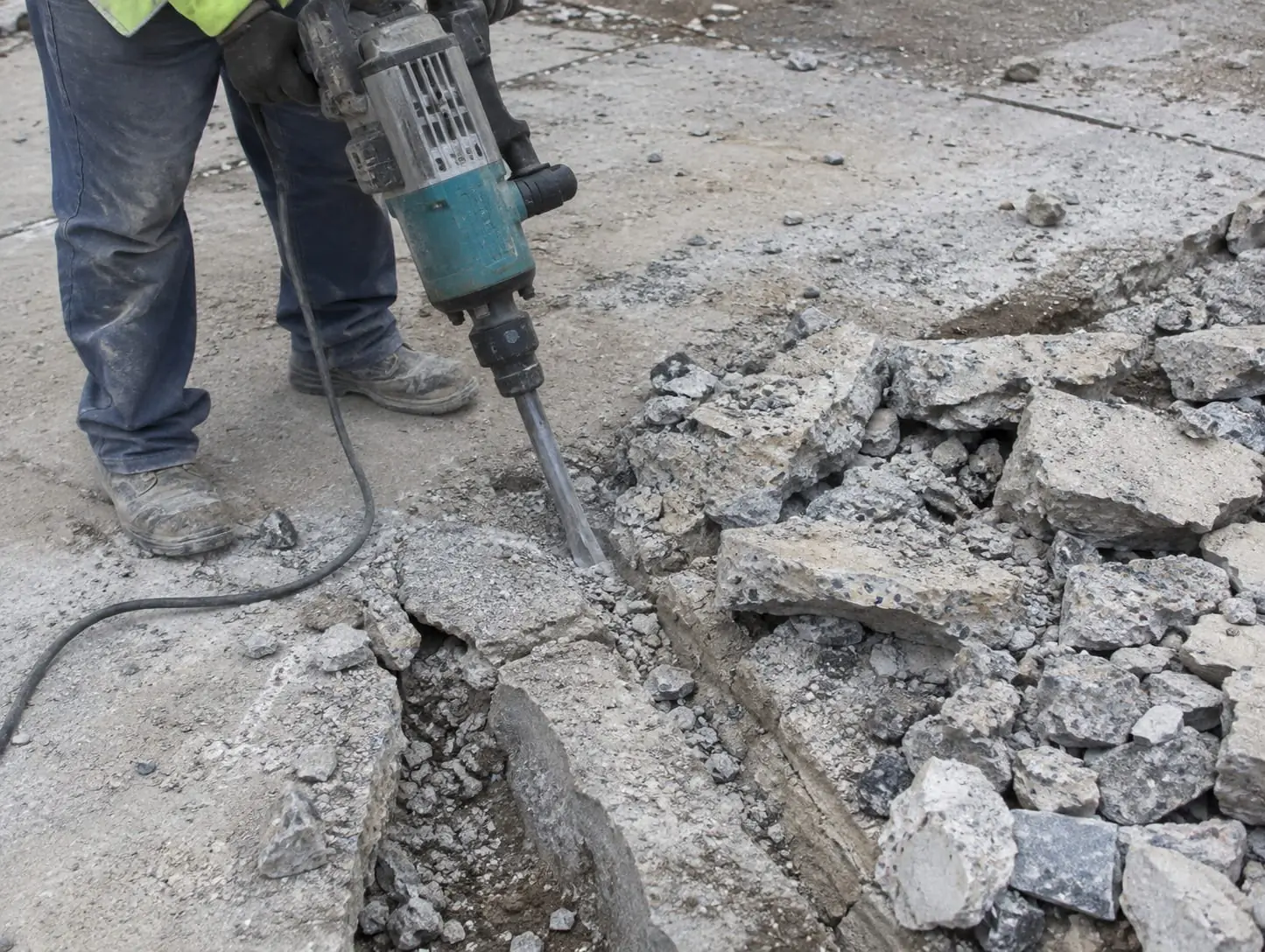
There is, and location is the best indicator. Toward the escarpment, sandstone and shale are the usual suspects and can sit fairly close beneath the topsoil in suburbs like Mount Keira, Mount Ousley and Farmborough Heights, while near the coastal cliffs around Coledale and Wombarra weathered rock can also be shallow. Low ground by the beaches, creek flats and Lake Illawarra is the reverse, being soft and wet rather than rocky. It's rarely possible to tell exactly where rock sits from the surface. Loose gravel and weathered rock generally come out with a heavier bucket or a ripper tooth. Solid rock might need a hydraulic breaker or core drill, which takes extra time and money. Occasionally moving a hole a little avoids a boulder altogether. We'll share our view on rock at the site visit and explain how any extra work would be priced.
There is, and small jobs are the riskiest, because a couple of post holes rarely seem worth a services check. For every dig we lodge a Before You Dig Australia (BYDA) request, look for surface clues like pits and valve covers, and hand-dig to expose any known or suspected line before the machine gets near it. Utility plans only cover public networks, so private lines like irrigation, power to the shed or a stormwater pipe laid by a previous owner won't be shown. Whatever you know about where these run is worth passing on, as it's often more helpful than any plan.
Yes, and it's worth settling this before we begin. Good soil can often stay on the property, spread over a dip in the lawn or used to build up a garden bed, at no extra cost. If there's nowhere for it, we load it up and take it away. Removal always has a cost, even for a small heap, since it involves a truck, travel and tip fees, and a narrow side path or steep yard may mean barrowing it out first. Heavy clay or organic soil makes poor fill under paving, so we'll tell you if yours is better off leaving. We can quote both options for you.
Other services that pair with digging
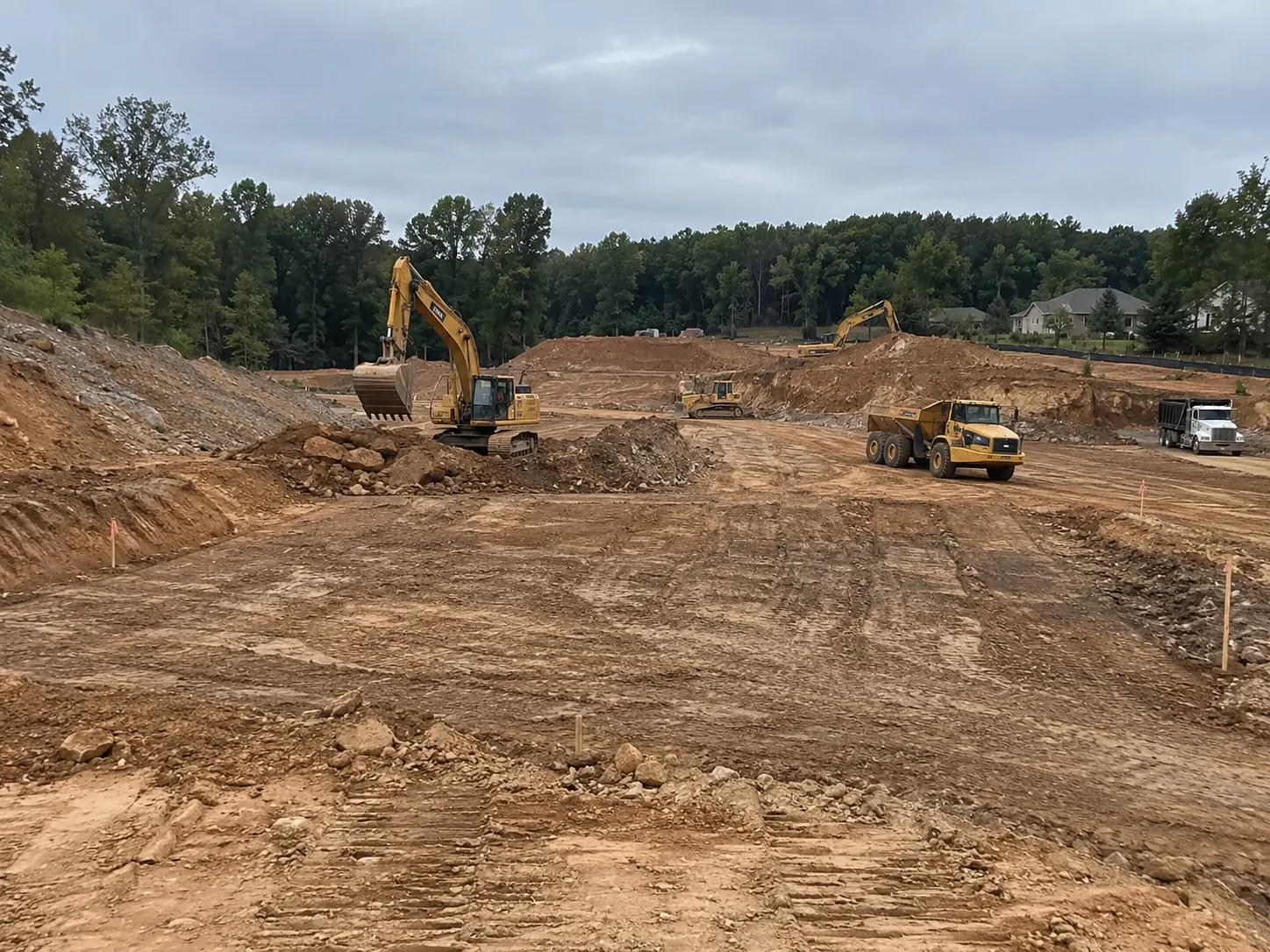
Need some holes or trenches dug?
Let us know what the job is and where you are, and we'll pick the right machine for your yard.