Concrete Grinding Specialists Across Wollongong
Get a Free EstimateWollongong Concrete Grinding Done Properly
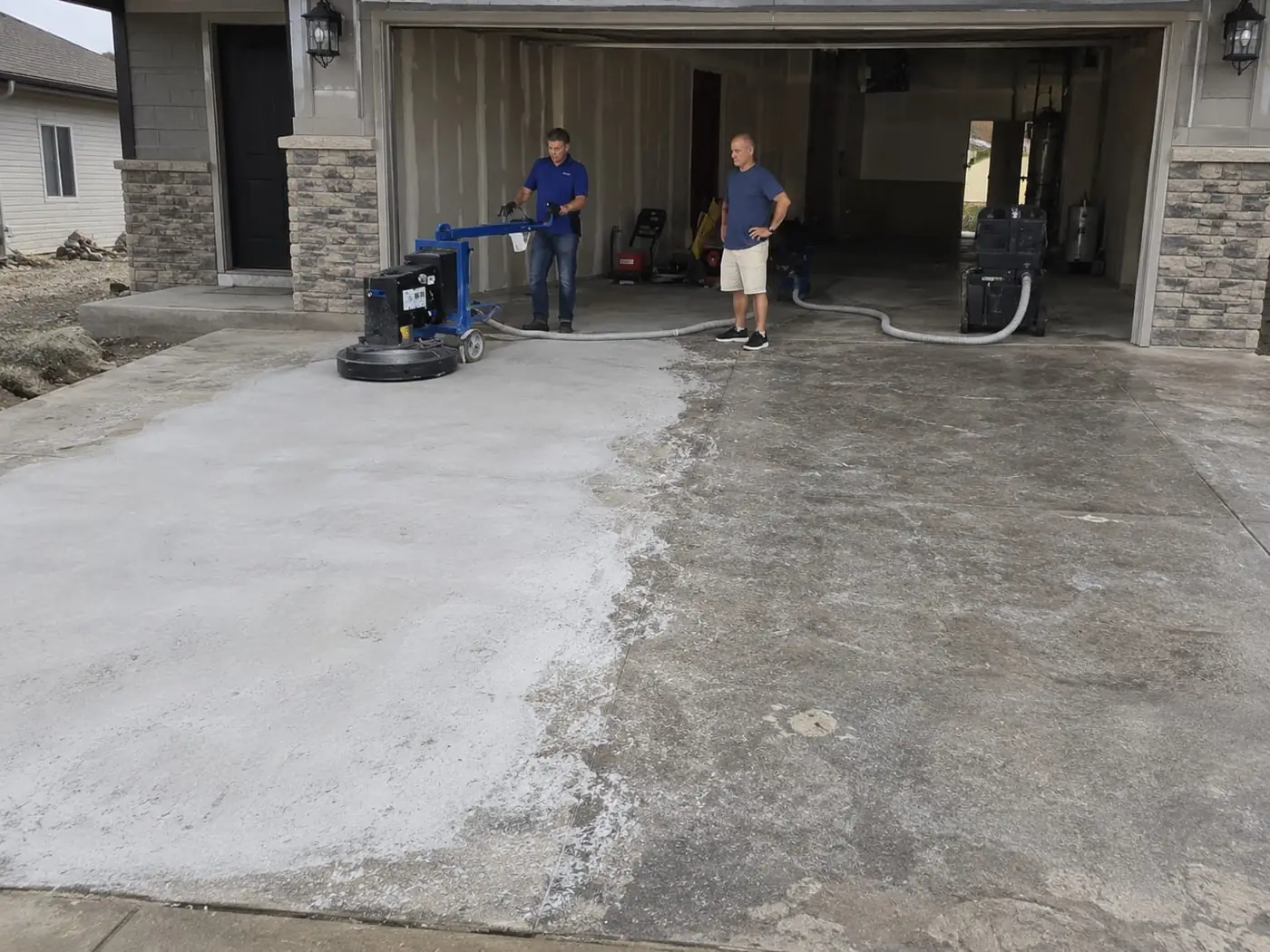
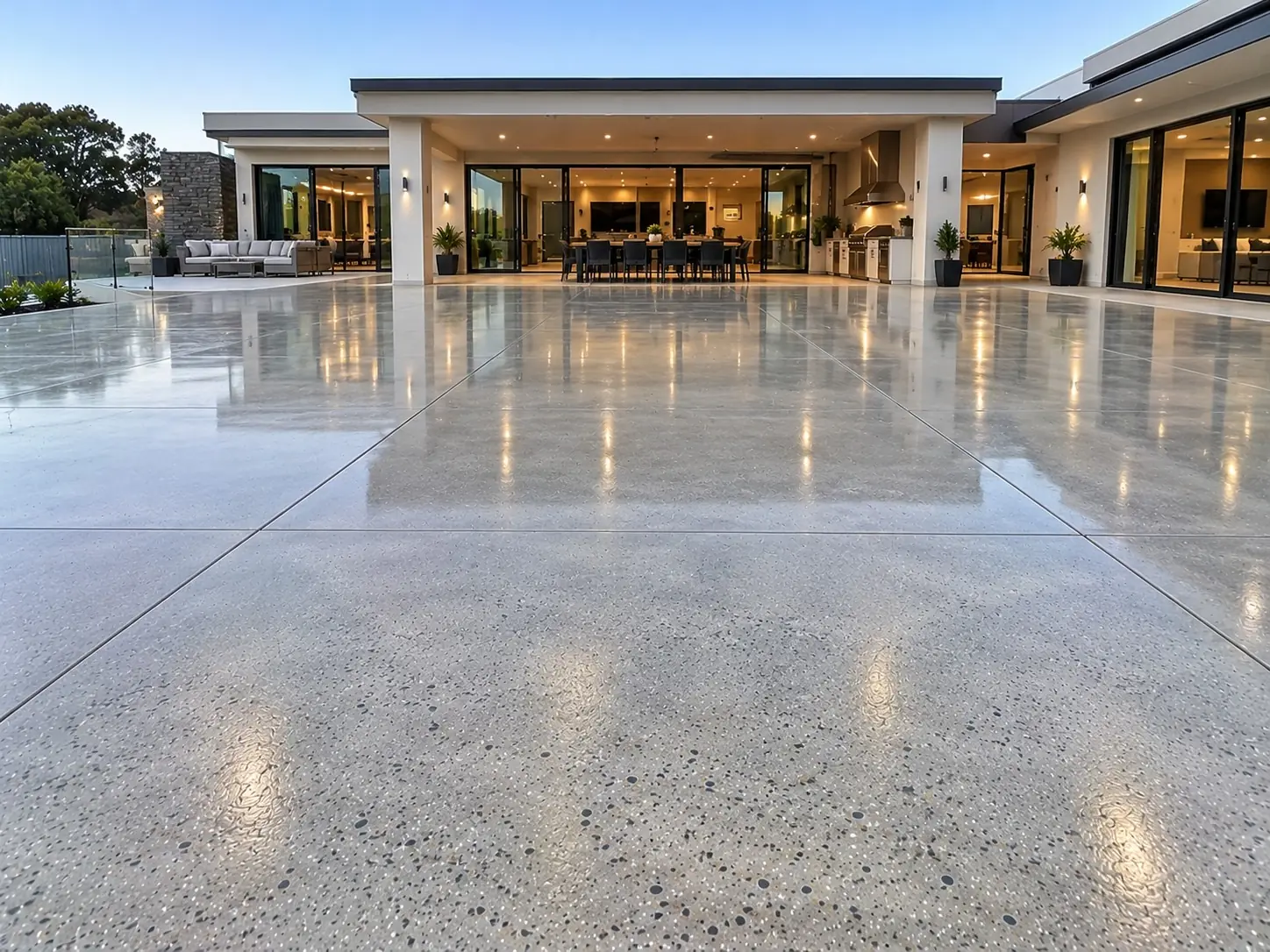
Whether you’re preparing a surface for a new floor coating or smoothing out lumps and bumps, grinding is one of the most useful tools in the concrete trade. Using heavy-duty diamond grinders, we can level uneven sections, remove old paint, glue, sealers and stains, and open up the surface so new finishes bond properly. Concrete grinding in Wollongong is also the first step in creating polished and honed floors, giving you a smooth, durable result without the need for new materials.
We use dust-controlled equipment to keep the mess under control, which makes a big difference in homes and workplaces. From garages and shops to warehouses and entertaining areas, grinding can completely transform a tired floor. Tell us about your project and we’ll recommend the best approach.
Concrete Grinding Jobs We Take On in Wollongong
Removing Adhesive and Old Tile Beds
Ripped up the carpet or tiles and found a crust of adhesive, vinyl glue or old mortar bed stuck fast to the slab? We take it all back to bare, solid concrete so your new tiles, timber, hybrid boards or polished finish sit flat, with no ridges showing through later.
Honed Grind and Seal
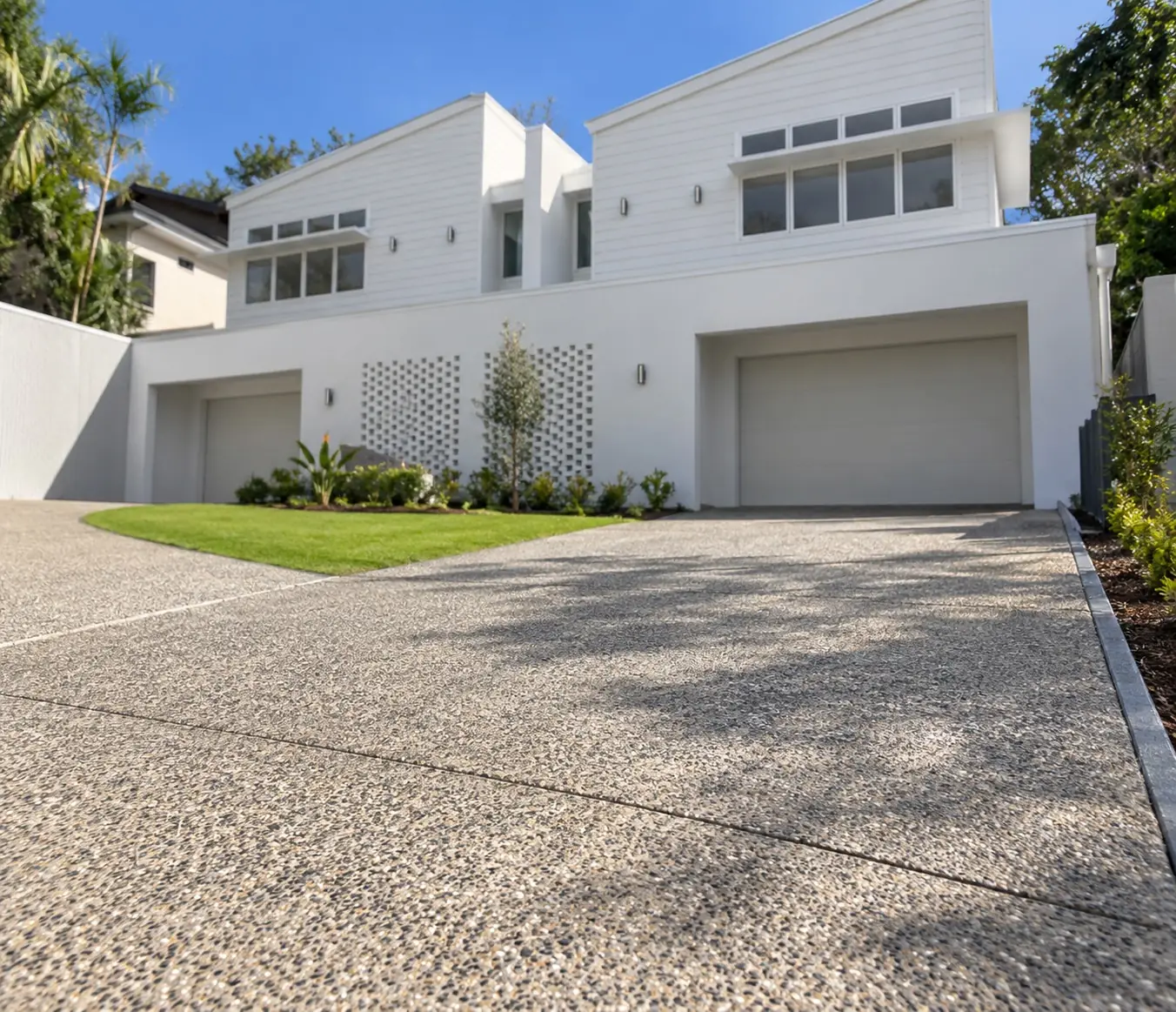
A shallow grind takes off the top skin and exposes the fine sand, or a sprinkle of aggregate, just below. Once it's sealed you get a soft honed look that suits lounge rooms, alfresco areas and shopfronts chasing the polished style on a smaller budget than full polishing.
Trip Hazard Removal for Strata
Strata managers, schools and retail centres bring us in to shave down lifted path edges before they cause a fall. Most sites are done in a single visit, each treated spot is marked, and you can have a simple written list of the locations to keep with your maintenance records.
Stripping Coatings and Line Marking
Worn line marking, flaking epoxy and tired floor paint come off warehouse, workshop and car park slabs so they're ready to re-mark or recoat. Big walk-behind grinders get through open floor space quickly, which means less downtime before you're trading again.
Reviving Weathered Outdoor Slabs
Sea air, summer sun and the odd East Coast Low leave outside concrete patchy, dusty and grey on top. Taking off that soft surface layer with a light grind brings up the harder concrete below, and sealing it afterwards makes new stains and black mould far harder to take hold.
Chasing Out Cracks and Joints
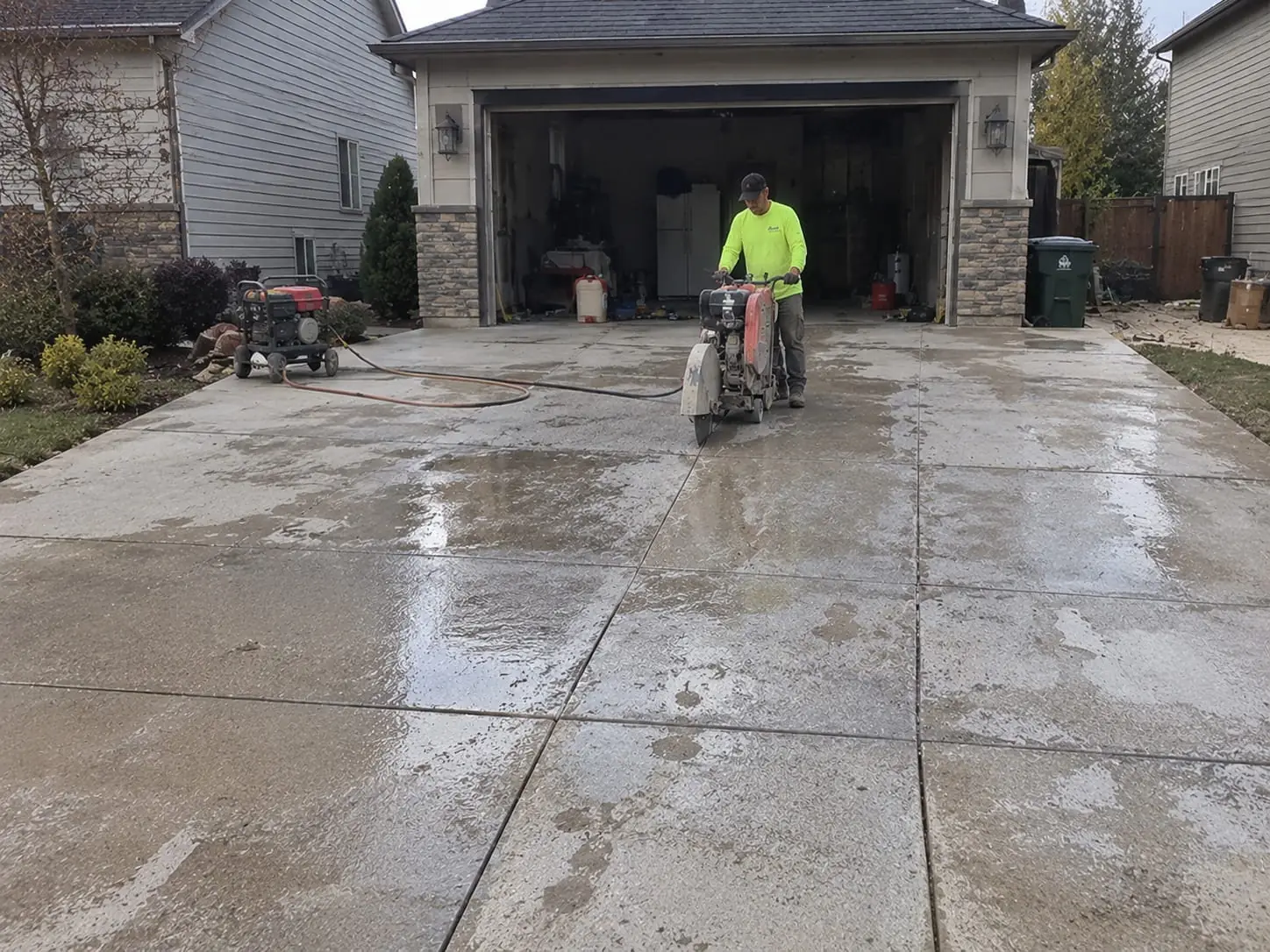
Before a crack or joint can be filled properly, it needs a clean channel. We open it up with a diamond blade so flexible sealant or repair mortar bonds to both faces, instead of sitting on top as a thin skin that lifts out after the next big downpour.
Booking Concrete Grinding in Wollongong: Three Simple Steps
Lumpy slabs, lifted edges and leftover glue or paint are all fixable with the right grinder. A little information up front helps us understand the floor and what you want it to become before the machine arrives.
- Photograph the problem spots: Snap a few close-ups of the lips, raised joints or old coating, and add one wider photo so we can gauge the overall area.
- Let us know what's going on top: A polished finish, a bonding profile for epoxy, or simply a safer surface underfoot? The end goal sets which machines and diamonds we bring.
- Book a floor inspection: We'll visit to test moisture, look over cracks and existing coatings, and then recommend how deep to grind and which finish suits.
Humid coastal conditions around the Illawarra can change how a coating bonds once a floor is ground, so we look at moisture levels and timing before suggesting any sealer or epoxy. Dust extraction on our machines keeps garages, shops and patios much cleaner during the job. Tell us about the floor through the contact form and we'll set up your free quote.
What Wollongong Customers Get From Our Grinding Team
Every Edge Ground By Hand
Large floor machines stop short of walls, steps and columns, and that untouched margin is where coatings tend to fail first. Our crew goes back with hand grinders along the perimeter and into corners, so the edges are prepared to the same standard as the middle of the room.
Surface Texture Matched To The Product
Coating and overlay manufacturers spell out the surface texture their product needs to bond well. We work to that spec and keep checking it as the job goes, rather than running every floor through the same routine regardless of what it's being prepared for.
A Sample Patch To Start
On grind-and-seal or exposed jobs, no one really knows what's under the top layer until it's opened up. So we do a small test section first, letting you see the stone, colour and texture you'll end up with before the rest of the floor is touched.
We Leave Your Place Tidy
Skirtings, door frames and fittings are masked up before the machines start, and the floor gets vacuumed at the end. You should walk back into a clean, prepped slab, not a room coated in grey powder.
Scheduled Around Your Business
If your shop, office or building can't shut for the day, we can split the floor into sections or work early starts and weekends where local noise limits allow. That way staff, customers and residents are disrupted as little as possible.
Straight Advice on Its Limits
A grinder will clean up and smooth a surface, but it can't lift a sunken slab or mend a structural crack. When the real problem sits deeper, we'll tell you what we think is causing it and point you to the repair that will genuinely fix it.
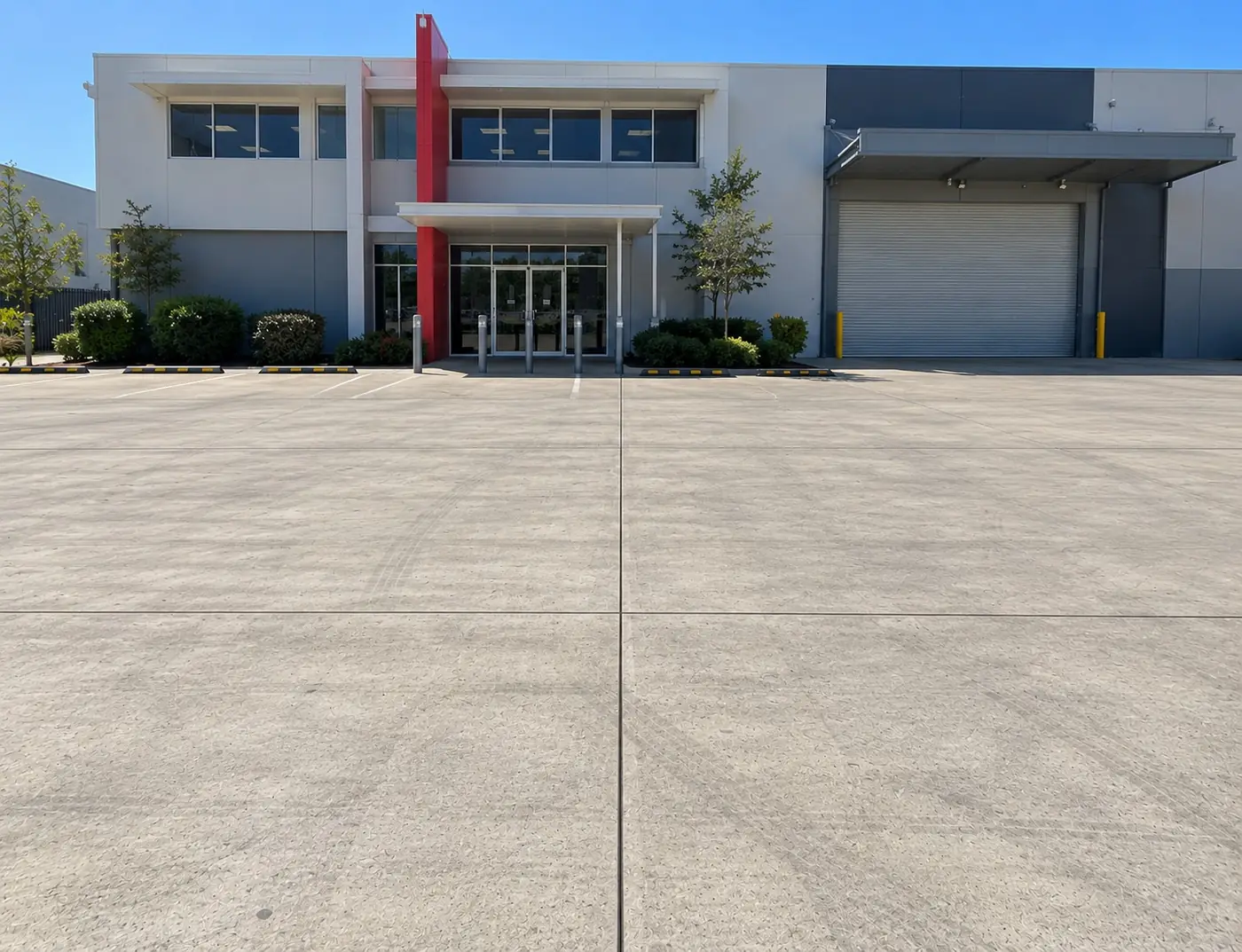
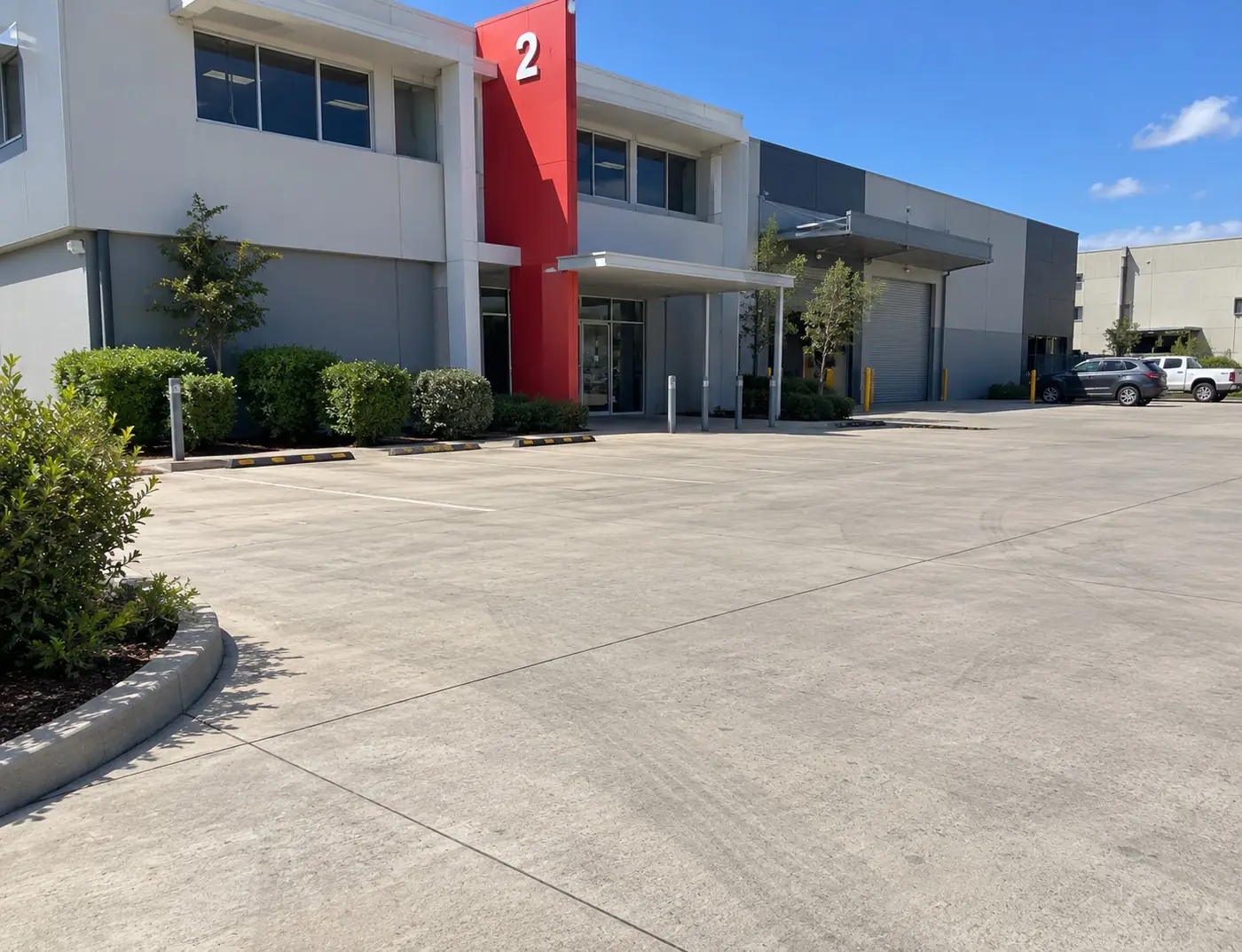
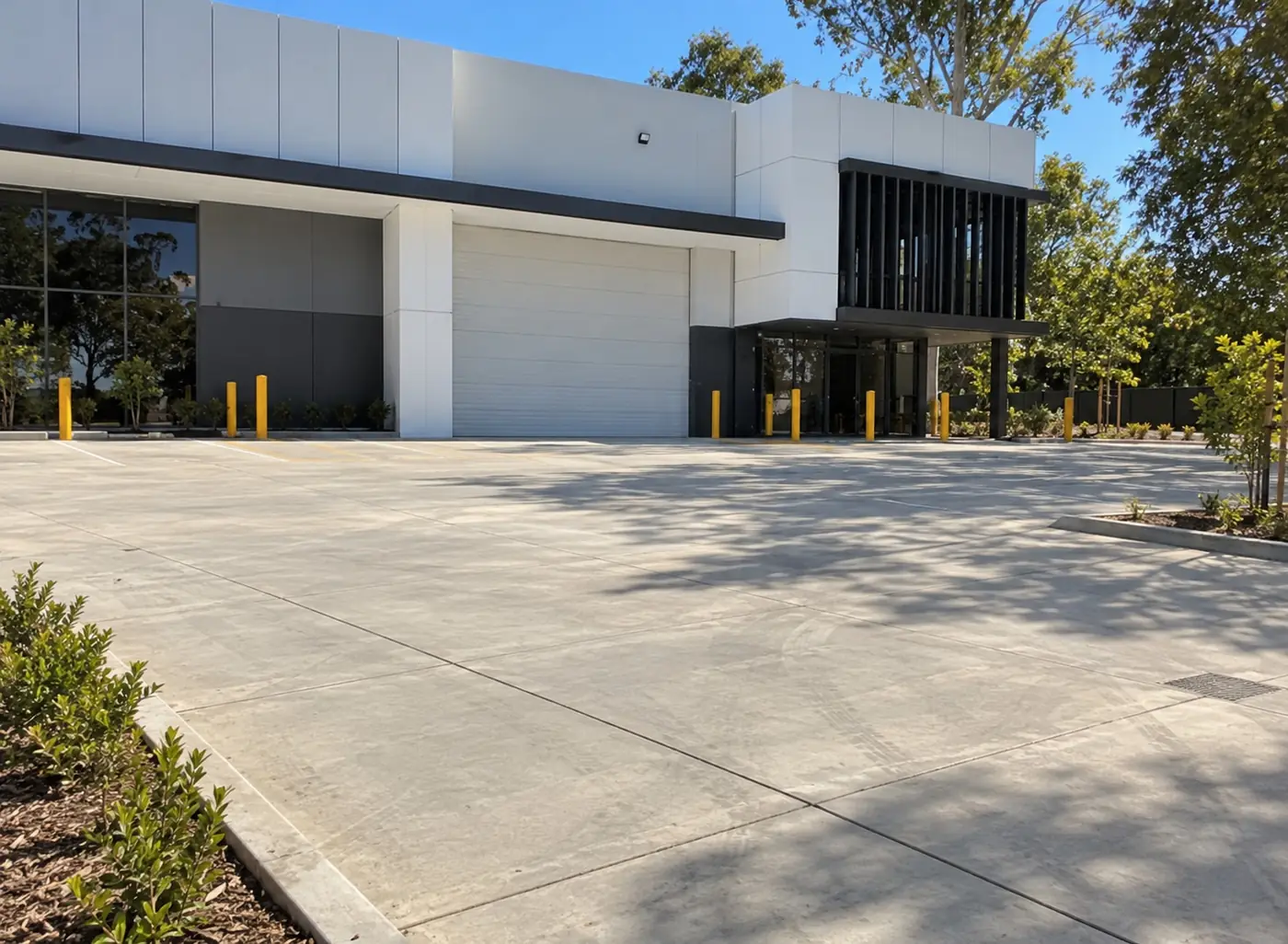
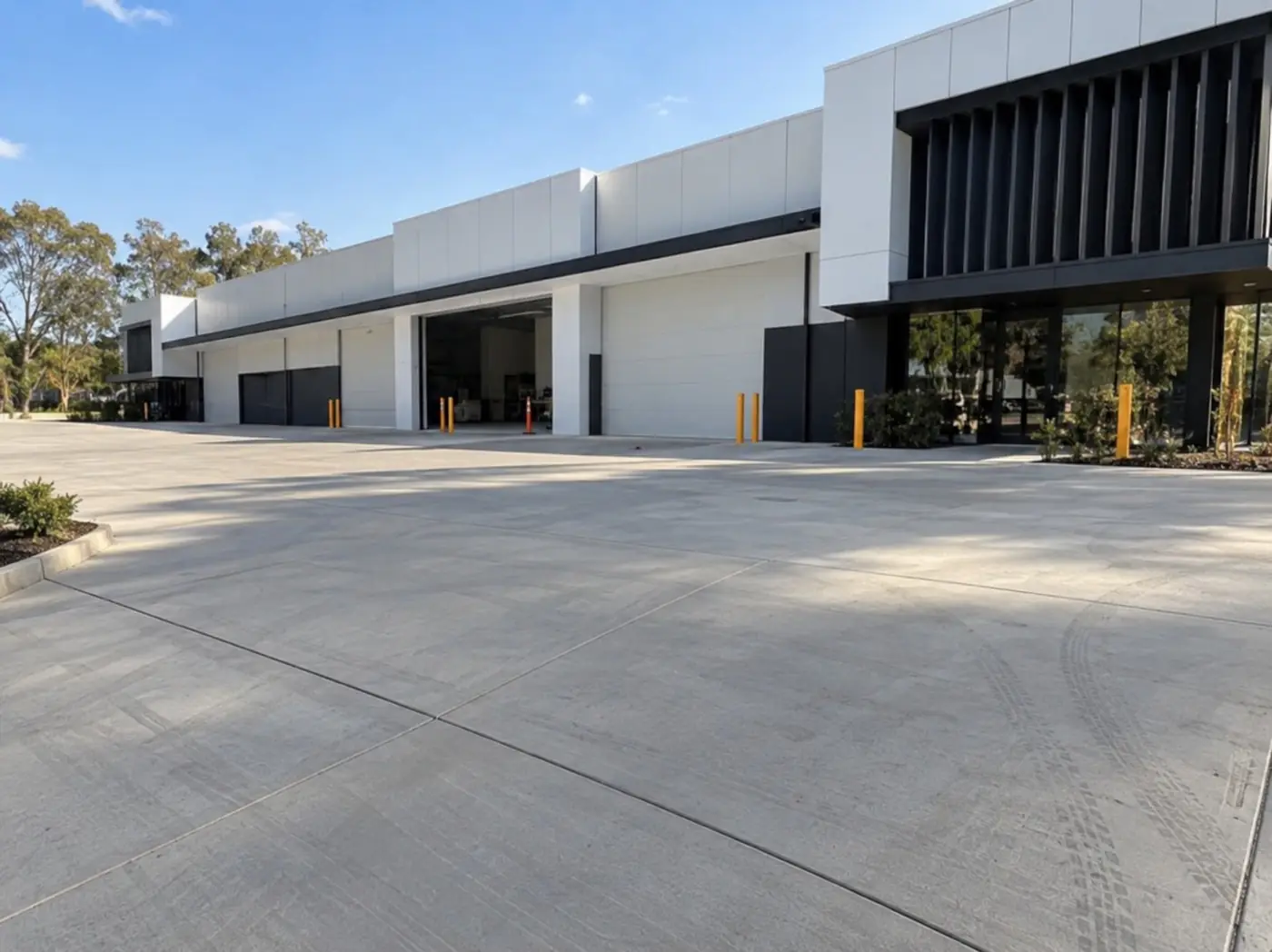
A Look at Our Wollongong Concrete Work

Concrete Grinding FAQs
Common questions from Wollongong homes and businesses about levelling uneven floors, controlling silica dust, keeping the slab sound and prepping for coatings.
In many cases, yes, though it comes down to how far out the floor is and what caused it. Grinding works by taking concrete away, so it's ideal for knocking down high spots, lipped joints and rough trowel marks until they meet the surrounding level. It can't add material to a hollow, though. Where there's a genuine dip or a section that has settled, grinding everything down to match would remove far too much slab. The usual answer is to grind the highs and then bring up the lows with a self-levelling compound or overlay. We run a long straightedge and level over the floor before quoting, so you'll know the method and the finish to expect.
It can be. Without extraction, grinding throws up an enormous amount of dust, and that is a health issue, not just a cleaning one. Concrete contains crystalline silica, and breathing the fine dust from grinding over time can cause serious lung disease. Every grinder we run is connected to an industrial vacuum with high-efficiency filtration, and we screen off indoor areas, which keeps dust low enough that you can stay living in the house while we work. SafeWork NSW regards silica as a major workplace hazard, and our crew wears proper respiratory protection on every job. Any contractor grinding your concrete should be taking the same precautions.
Not when the right diamonds are used and the depth is kept sensible. The risk comes from going too deep and reducing the cover of concrete over the reinforcing steel. Once that cover gets thin, moisture and air can reach the steel, and as it rusts it swells and cracks the surface above. Outdoor slabs that cop a lot of rain, and homes near the water in places like Austinmer, Thirroul and Bulli where salt air is constant, are more exposed to this. We work out the probable cover before starting and keep a safe margin above the steel. Thin or worn slabs get a lighter touch, and if the finish you want would need a deeper grind than is safe, we'll say so.
Because any coating is only as strong as its bond to the slab underneath. Epoxies, sealers and overlays need a surface they can key into, and a glossy, sealed or contaminated floor offers almost nothing to grab. Grinding takes off the weak top layer along with old sealer, paint, oil, adhesive or curing compound, and leaves the texture the manufacturer specifies. Most peeling and lifting coatings trace back to poor or skipped preparation, and fixing them means grinding the lot off and starting over. A day spent preparing the floor properly is far cheaper than paying for the job twice.
Yes, we do plenty outside. Typical jobs include taking trip lips off paths, removing the slippery glaze from over-trowelled surfaces, levelling panels lifted by tree roots or reactive clay, and prepping driveways, patios and pool areas for sealers or overlays. Extraction still runs outdoors so dust doesn't settle on cars, windows or the washing next door, and slurry is kept out of the stormwater drains. Bear in mind that freshly ground concrete is lighter than the weathered surface around it, so a small patch on an older driveway can stand out. Grinding a larger section, or sealing once we're done, helps it all blend in.
Other services that pair with grinding
Floor or path in need of a grind?
Let us know what you're working with and we'll arrange a visit to have a look in person.