Concrete Rock Revetment in Wollongong
Get a Free EstimateWollongong Grouted Rock Walls
Not every eroding bank calls for a straight concrete wall. On many frontages, a sloping face of heavy rock does a better job of soaking up wave energy, and it sits more naturally beside the sandstone platforms and headlands of the Illawarra. We build concrete rock revetment in Wollongong, placing armour rock on proper filter layers and binding it with grout or concrete where the design calls for it.
A revetment is only as good as what's underneath. The toe, geotextile and filter layers matter just as much as the rock you can see, so we build each one carefully to your coastal engineer's drawings. If you're weighing up a rock slope against a vertical wall, we're happy to talk through the practical differences on site. Mention any existing reports in the form and have them handy for the visit.
Rock Revetment and Grouted Rock Wall Services
Grouted Rock Revetments
Armour rock placed on a slope and bound with grout or concrete creates a rugged, interlocked face. We place the rock to the profile in the drawings and pour the grout where it's specified, working it into the voids so the stones are locked together rather than sitting loose.
Concrete-Bound Rock Walls
Where a steeper or more compact face is needed, rock can be set in a concrete matrix to form a wall. This suits sites where a full sloping revetment won't fit, and gives a natural stone look that blends with the rock platforms along the coast.
Geotextile and Filter Layers
Underneath the visible rock, a geotextile and graded filter layer stop the sand behind from washing out through the gaps. Getting this layer right is easy to overlook, and it's often what separates a revetment that lasts from one that slumps after a few storms.
Toe Trenches and Keys
A revetment needs a firm base at its foot, otherwise waves can scour beneath it and the whole slope starts to slide. We excavate the toe trench to the depth and width the engineer sets, and bed the lowest rocks and concrete into it securely.
Crest and Transition Details
The top of the slope and the ends where the revetment meets lawns, paths or neighbouring walls are vulnerable points. We pour crest beams, edge strips and transitions as detailed, so overtopping water and run-off don't undercut the finished work.
Upgrading Loose Rock Slopes
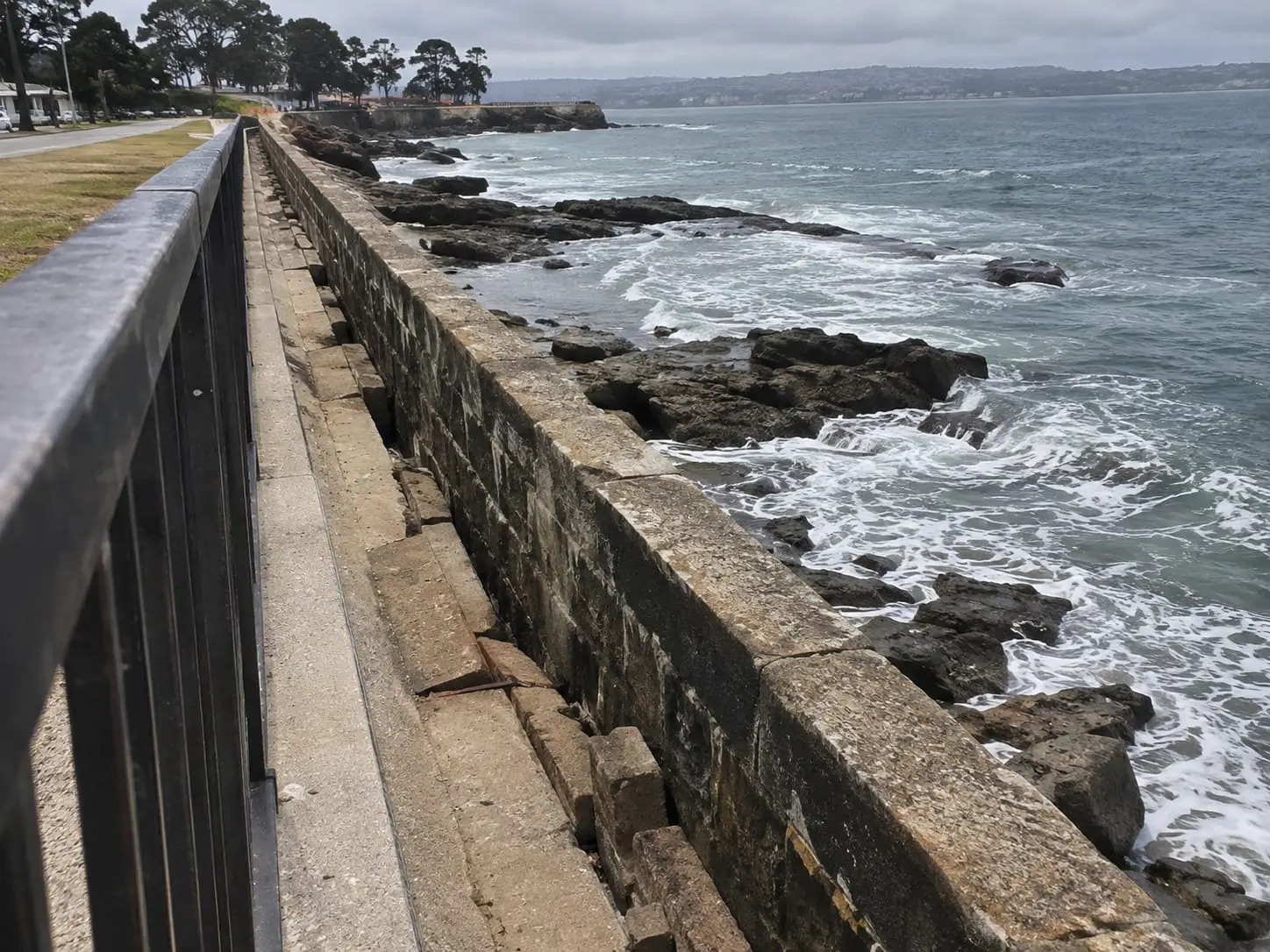
Some older rock protection has shifted, settled or lost its filter over the years. Where your engineer recommends it, we can reset and grout sections of an existing slope, or rebuild it properly with new underlayers and toe protection.
Three Ways to Start a Rock Revetment Project in Wollongong
Whether your bank is slumping after a storm or you're planning ahead for a more exposed future, there's a simple way to get started.
- Engineering already done: Tell us about the drawings and consent in the form, and we'll quote the rock, underlayers, toe and grouting as designed.
- Comparing options: If you and your engineer are deciding between a revetment and a wall, we can give practical input on access, buildability and staging.
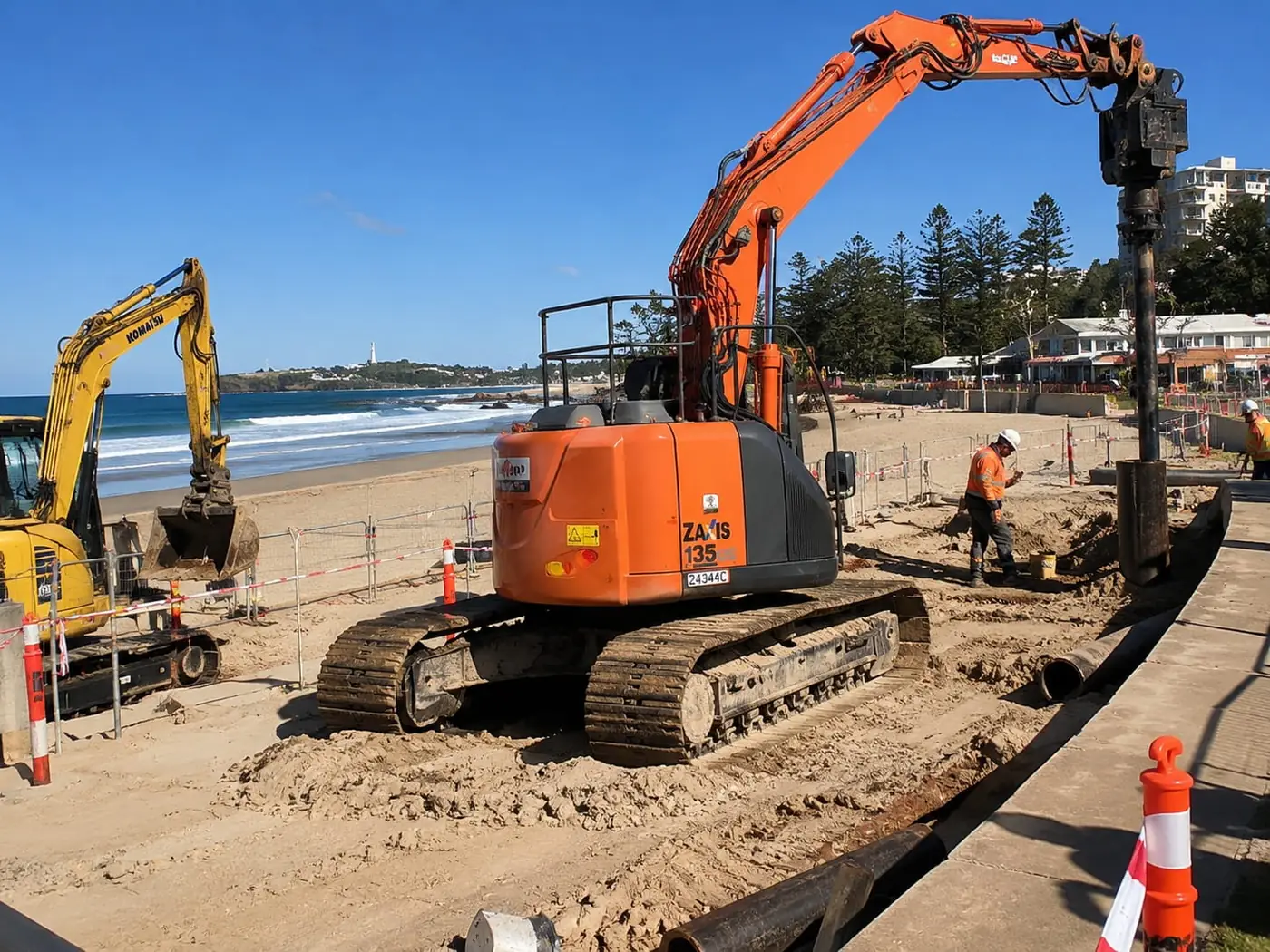
- Need a site look first: We'll walk the bank, check machine access to the beach and point out anything that might affect the design or price.
Rock revetments involve a good amount of excavation to form the toe and trim the slope. Where a vertical structure suits better, see our seawall construction page, or our coastal retaining walls for banks set further back from the waves.
The Way We Build Rock Revetments That Stay Put
We Respect the Underlayers
The filter and geotextile layers are buried and never seen again, which is exactly why we take care with them. Laps, anchoring and thickness are checked before any rock goes on top.
Rock Placed, Not Dumped
Tipping rock off the back of a truck won't create a stable revetment. Each stone is positioned to the profile, with good contact between pieces, before any grout is added.
Grout Where It's Meant to Go
Too little grout leaves loose rock; too much can block drainage and trap water behind the face. We follow the engineer's specification and keep grout out of the drainage paths the design depends on.
Coordinated Machinery and Concrete
Rock placement needs an excavator and skilled operator, while grouting needs concrete timed to arrive as each section is ready. We run both together so the job keeps moving within each tide window.
Care for the Coastline
Rock and concrete work on the beach can disturb sand, vegetation and the water. We set up sediment and washout controls, keep machinery to agreed access routes and restore disturbed areas when we finish.
Clear Advice on Options
A grouted rock wall, an open rock revetment and a concrete seawall each have their place. We'll explain how they differ in practice, while leaving the final design decision with your coastal engineer.
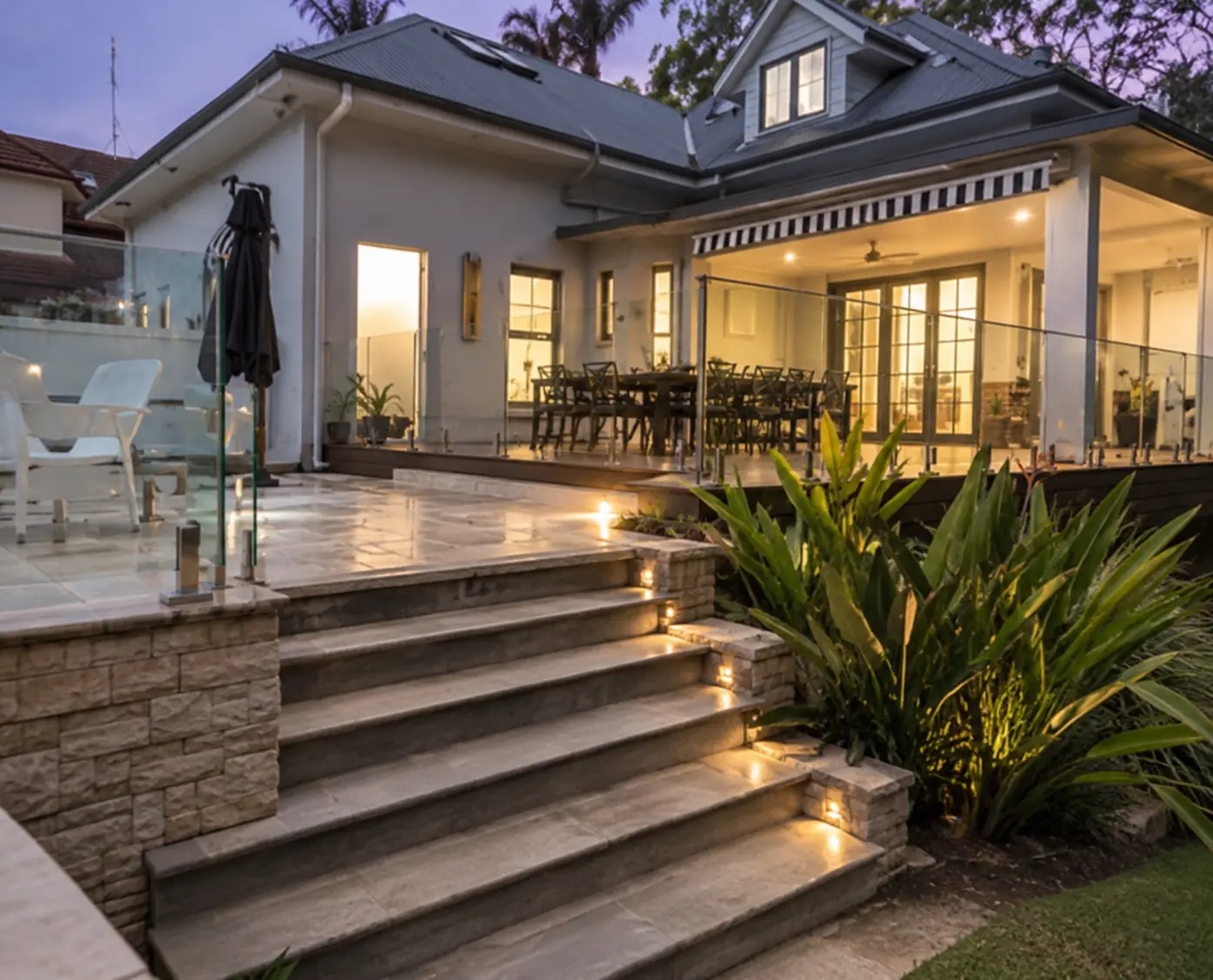
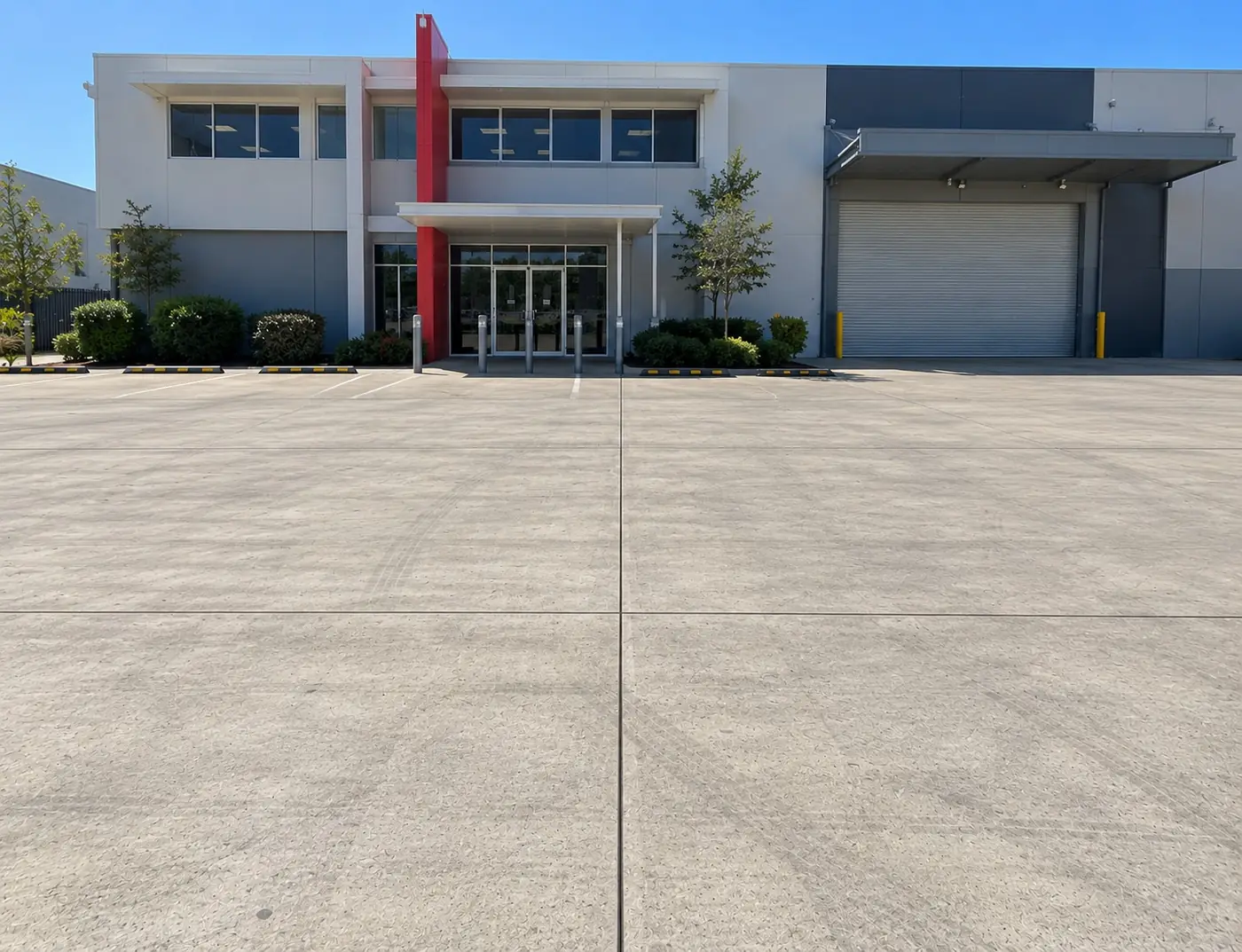
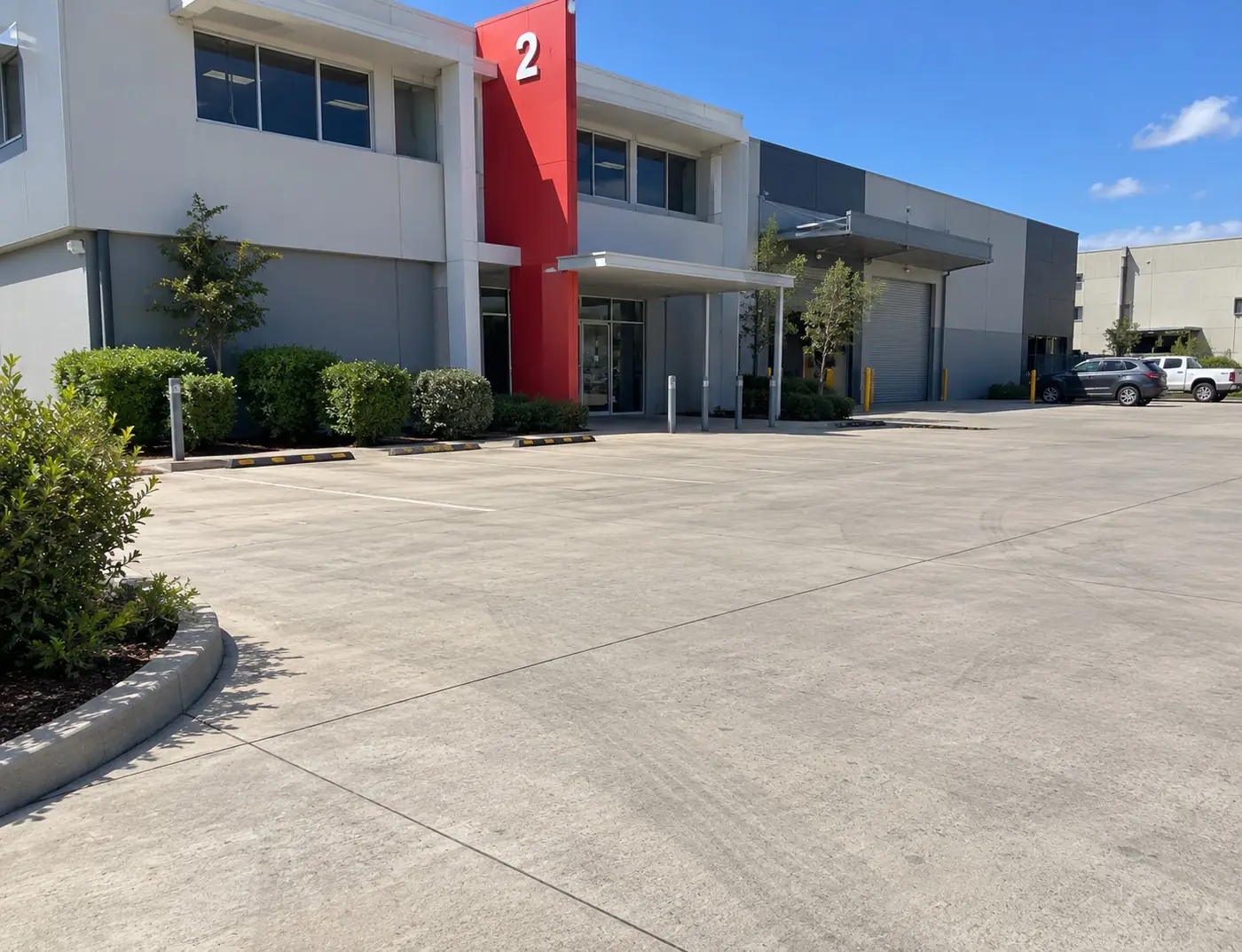
A Look at Our Wollongong Concrete Work
Rock Revetment Questions
Common questions about grouted rock walls and concrete rock revetments on the Illawarra coast, covering design choices, rock size, approvals and site access.
It's a sloping layer of large armour rock that protects a bank or dune from waves, with grout or concrete used to bind the rocks together where the design calls for it. The rock sits on geotextile and filter layers that hold the soil in place behind it. Compared with a vertical seawall, a sloping revetment tends to absorb more wave energy and reflect less of it back onto the beach.
Each has trade-offs, and the right choice depends on the site. Grouting can stop individual rocks from moving and allow a steeper or tidier face, but it makes the structure more rigid, which can mean it cracks rather than adjusts if the base is scoured. Open rock revetments can flex and settle and are often easier to repair by adding rock, though they usually need more space and larger stone. Your coastal engineer will weigh these factors for your frontage.
Rock size, slope angle and layer thickness are set by the engineer based on expected wave heights, how exposed the site is and whether the rock will be grouted. Exposed beaches on the Illawarra coast generally need heavier rock than sheltered sites such as the edges of Lake Illawarra. We'll source and place what the design specifies.
In most cases, yes. Coastal protection works in NSW usually need development consent and may be subject to the Coastal Management Act 2016 and the State Environmental Planning Policy (Resilience and Hazards) 2021. Work on Crown land, below mean high water mark or near fish habitat may need additional consents. Please confirm the requirements with Wollongong City Council, Shellharbour City Council or Kiama Municipal Council and the relevant state agencies. A coastal engineer is usually involved.
Access is one of the first things we look at. Depending on the site, materials may come in over the property, along an approved beach access track or from a nearby road, sometimes using a concrete pump to reach the face. Any beach access needs the right permissions, and we plan the route to protect dunes, vegetation and public areas.
More services that pair well
Is your bank losing ground?
Tell us about the site and where the design is at, and we'll organise a visit and a clear quote.