Concrete Steps Builders in Wollongong
Get a Free EstimateWollongong Concrete Steps
Steps might seem simple, but getting them right takes real skill. Every rise and tread has to be consistent, safe and comfortable to use, whether you’re heading up to the front door, down to the backyard or along a steep garden slope. Well-built concrete steps in Wollongong are strong, hard-wearing and designed to handle wet weather without turning into a slip hazard.
They also need to meet Australian building standards for height, depth and handrails where required. Concrete gives you plenty of freedom with shapes, curves and finishes, so your steps can blend seamlessly with your house or garden. We build them solid, neat and safe, so you can walk up and down with confidence every day. Planning new steps? Get in touch and we’ll sort it out.
Concrete Step Work We Do Around Wollongong
Timber Stairs Swapped for Concrete
Timber steps turning spongy or showing termite damage? Concrete won't rot in the coastal rain and white ants have nothing to eat. We set the top tread to suit your door, deck or verandah so the step up feels just right.
Bottom Landings on Sloping Blocks
Plenty of hillside homes around Wollongong have timber stairs resting on bare dirt or a broken old pad. A proper concrete landing at the base gives the stringers a dry, stable footing and gives you somewhere clean to wipe your shoes.
Broad Steps for Entertaining
Generous, low-rise steps from the patio to the lawn or pool become extra seats when friends drop round. They can run dead straight or sweep around a garden bed, and they're ideal where a narrow staircase would feel cramped.
Garage and Side Access Steps
Short flights linking the garage, side path and back yard often have to squeeze in beside a fence. We shape them to the room available and tie them into your existing paths, so moving around the house becomes a lot easier.
Commercial Steps and Entries
Shops, clubs, churches and offices need steps that handle constant foot traffic, built to the dimensions your designer or certifier specifies. Access ramps can be formed and poured alongside them so every visitor has a simple way in.
Fixing Tired Steps
A chipped nosing, a drummy tread or a cracked bottom step doesn't automatically mean a rebuild. We remove the loose concrete, reform the broken edges and can lay a new topping across the flight so it all matches.
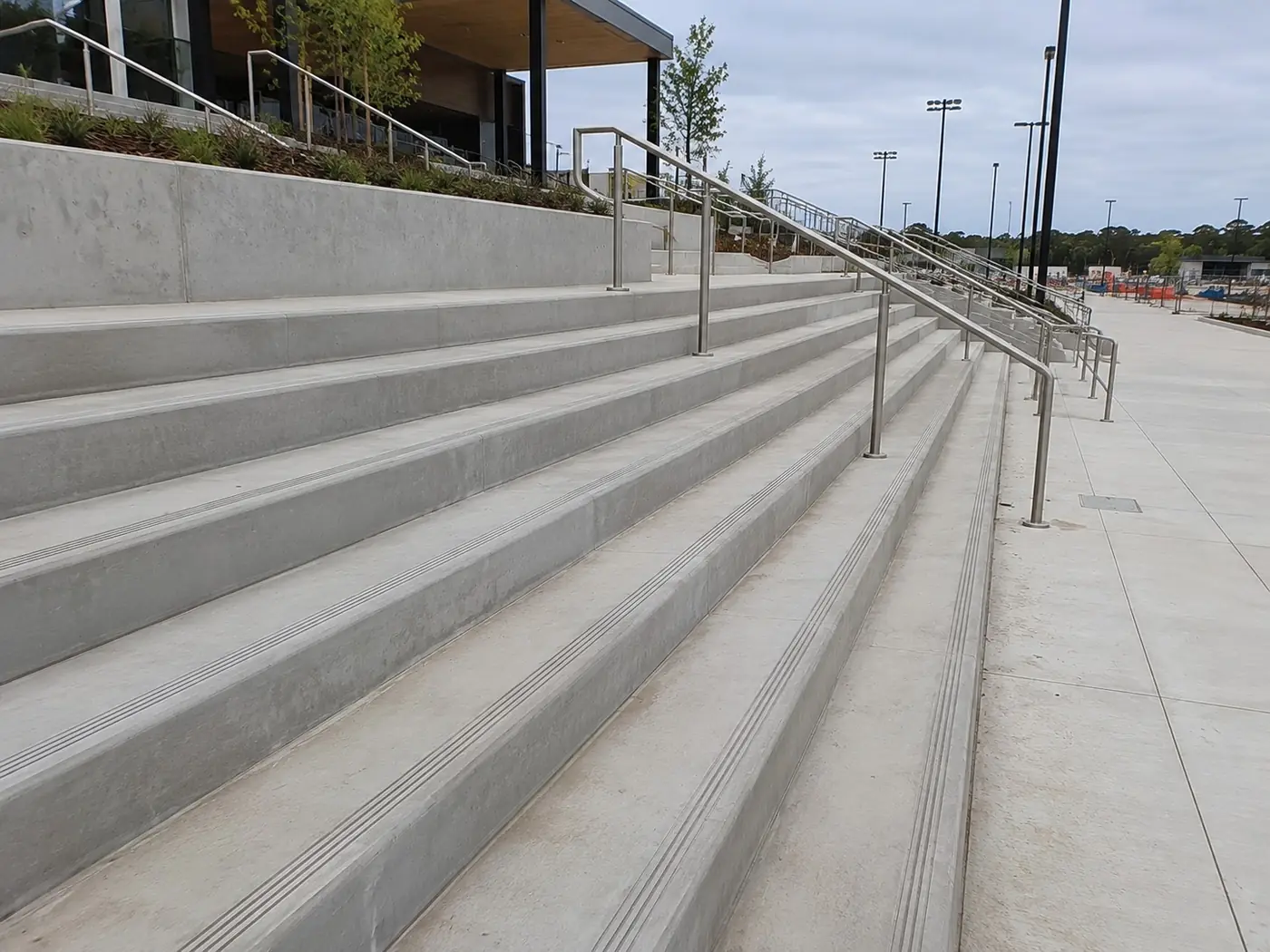
Starting Your Wollongong Steps Project
A steep front garden, a terraced pool area or a drop between levels out the back all become safer to use with well-built concrete steps. We'll work with you on a design that fits the site, the house and everyone who'll be walking up and down them.
- Film the area: A short video or a handful of photos lets us see the height to climb and where the flight needs to begin and end.
- Get us out to measure: We'll calculate the rise, tread depth and landing sizes so every step feels the same and climbs comfortably.
- Mention any handrails: Planning a rail or balustrade? Let us know and we'll cast the fixings into the concrete ready to go.
Wet steps after a big storm can be slippery, so we use a textured finish and give every tread a slight fall to drain. Each flight is formed carefully for consistent risers and sits on a solid footing. Send us a message through the contact form and we'll prepare a free quote for safer access around your place.
What Sets Our Wollongong Step Work Apart
Footings on Firm Ground
Steps poured on loose fill slowly drop and separate from the path or doorway they meet. We excavate until we reach ground that will hold the load, which in soft clay or old fill can be further down than you'd think, and in sandstone can mean patient work with the rock breaker.
Landings in the Right Places
Long flights are safer when they're broken up. For taller runs we'll recommend landings at logical points, giving you a spot to pause, space to turn and a shorter fall if someone loses their footing.
Durable Rounded Nosings
The leading edge of a step takes the most punishment. We give each one a gentle radius or bevel so it resists chipping, is kinder to shins and keeps a crisp look despite years of wheelie bins, barrows and school bags.
Soil Held Back at the Sides
Heavy rain likes to wash garden soil onto freshly built steps. Where a site calls for it, we install edging, small upstands or low retaining along the sides to keep the dirt where it belongs and the treads clear.
Access Kept Open
When the steps are the main entry to your home, we plan the job with that in mind. Demolition and pouring are sequenced to keep the disruption brief, and temporary access is arranged where it's practical.
Runoff Stopped Above the Steps
During a downpour, water from a driveway or path uphill can pour down your steps like a creek. We trace where it's coming from and add a grate, a fall or a diversion so it's redirected before it ever reaches the top tread.
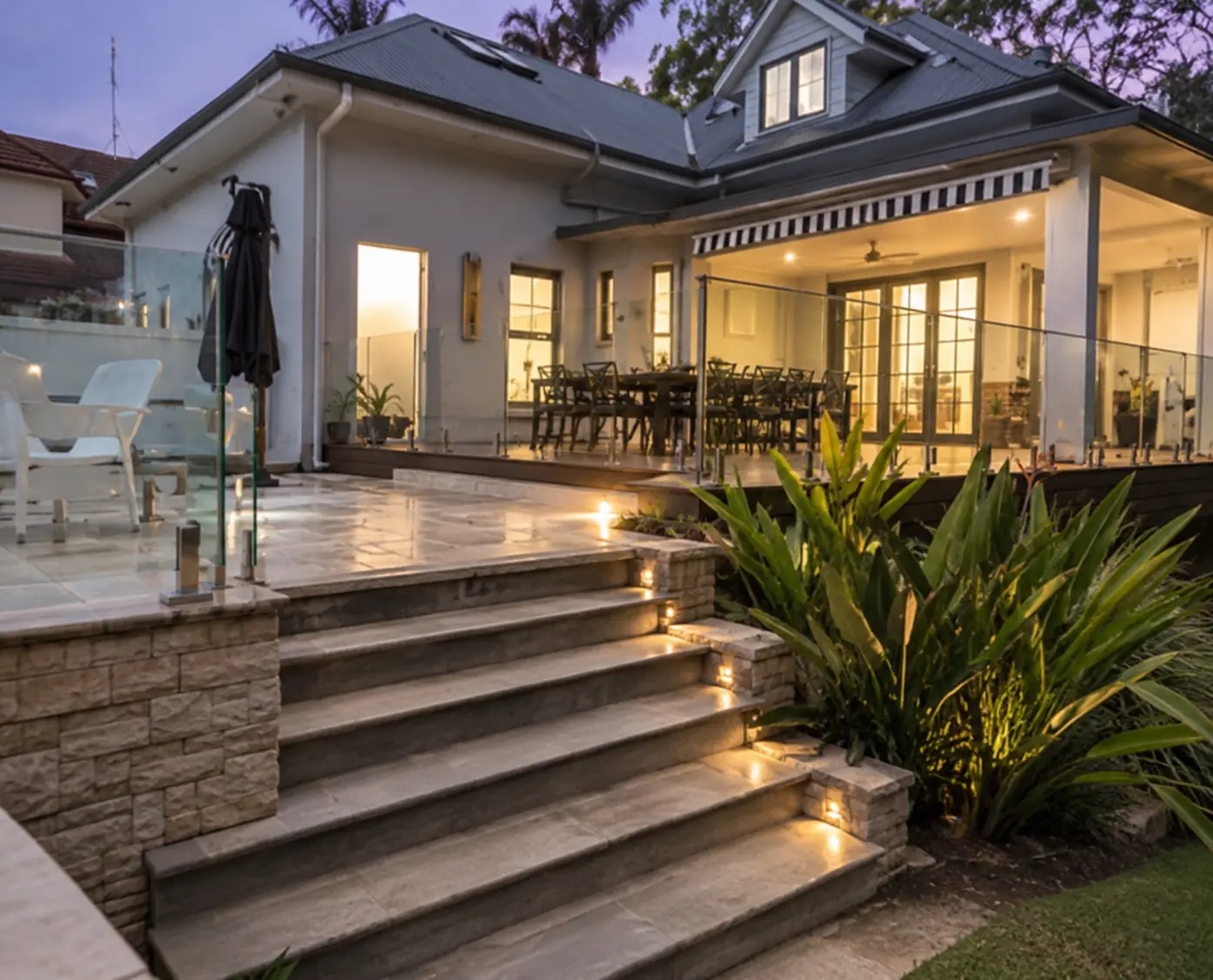
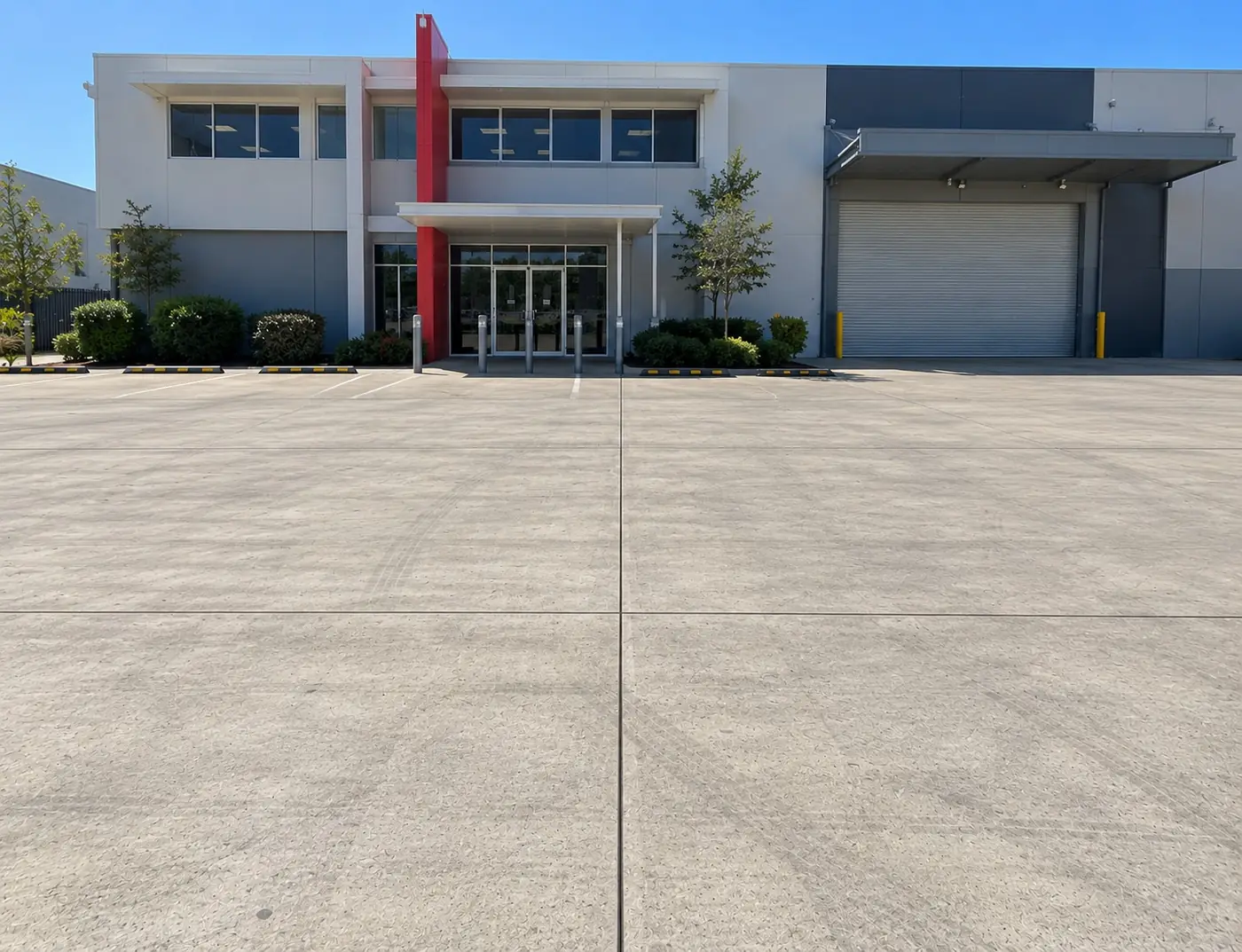
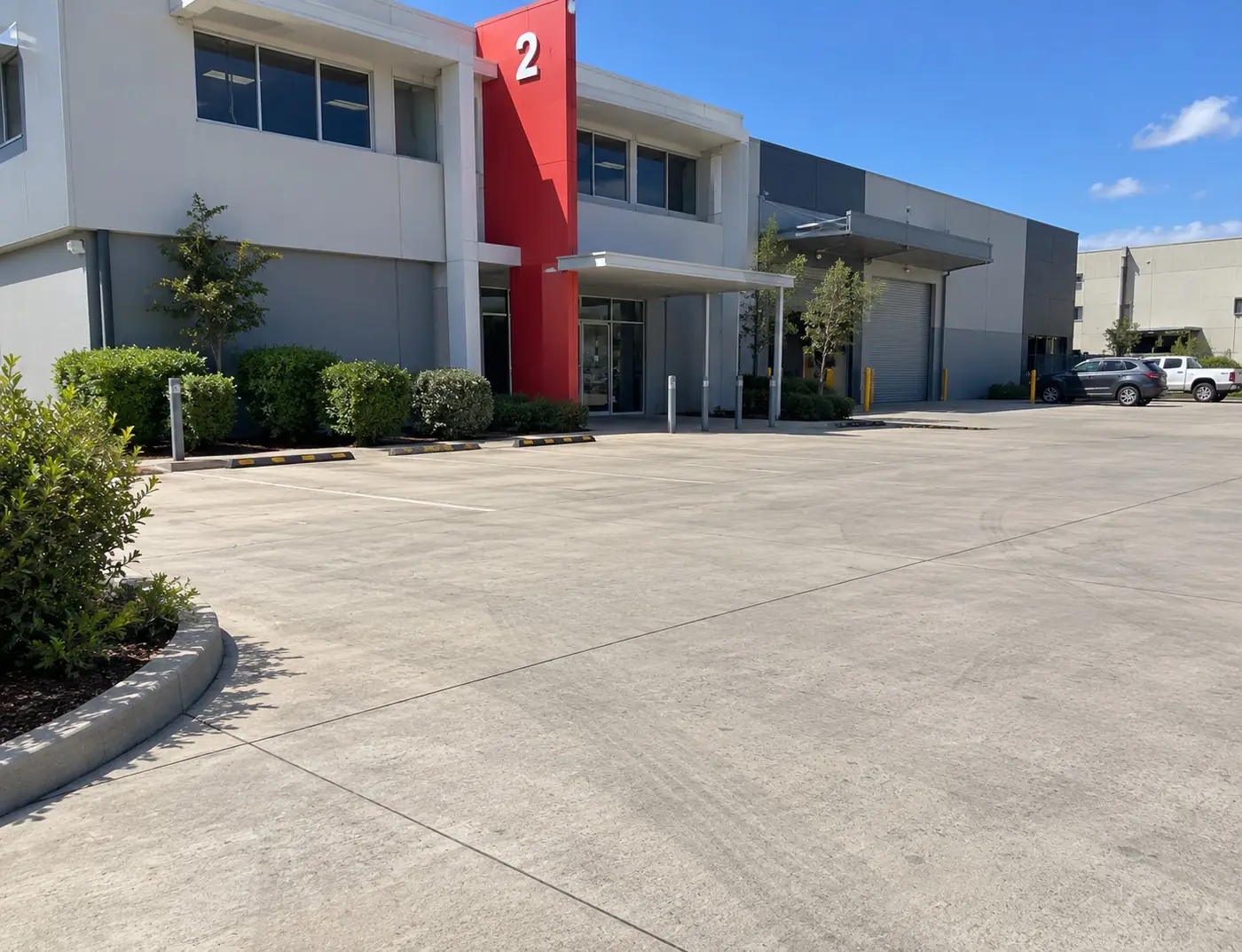
A Look at Our Wollongong Concrete Work
Concrete Steps Questions
What Wollongong homeowners usually ask before building concrete steps: riser heights, steep blocks, cracking and settlement, handrails and build times.
It starts with the overall height between the top and bottom. We split that into equal risers, typically about 150 mm for residential gardens and entries, with treads of roughly 300 mm. Consistency is the key thing. After a step or two, nobody watches their feet, so one riser that's out by just 10 or 15 mm is exactly where trips happen. For outdoor stairs, a slightly shorter riser and a longer tread feels more secure, as these steps get used in the wet, in thongs and with arms full of groceries. Stairs are covered by the National Construction Code, and on certified work we follow whatever the certifier sets.
They can. Wollongong has no shortage of sloping sites, and the hillside streets of Mount Keira, Mount Pleasant and Keiraville, terraced pool areas and cliff-top lots around Coledale and Scarborough all have level changes that call for solid steps. Footings must bear on ground strong enough to support them, soil beside the flight has to be retained so it doesn't slump onto the treads, and taller runs benefit from a landing. Striking sandstone or hard shale usually gives excellent bearing, even though it makes the dig slower. Where space is tight, a dog-leg with a mid-landing often suits better than one long straight flight and is gentler to climb. We assess all of this on site before suggesting a layout.
Fine surface cracking can happen in any concrete and is normally cosmetic. Settlement is the real worry, and it almost always traces back to a weak footing. Steps poured on fill, topsoil or poorly compacted ground sink at one end and open a gap at the path or door. Our footings go down to firm material and the whole flight is reinforced so it acts as a single unit. Some local ground, particularly reactive clay, fill or badly drained soil, swells and shrinks as it wets and dries, so we dig deeper than a rushed job would. That extra work out of sight is a large part of why our steps hold up.
On most flights it's a sensible addition, and on taller ones it's usually mandatory, so it pays to check with council or a building certifier early. Decide before the pour if you can, because sleeves or anchor plates can then be cast straight into the concrete. That gives a stronger fixing than drilling into finished steps and avoids chipped edges. We can fit the rail, or leave the fixings in place for your own fabricator. On steep blocks and around pools, where steps get wet or grow algae in the shade, a rail is a real comfort for children, older guests and anyone carrying a load.
Most home steps take a few days on site, which covers digging and pouring the footing, setting up the formwork, then the main pour and finishing. Formwork eats up the most time, since every riser and tread has to be set out precisely. A tall flight, retaining alongside, rock underneath or awkward access will stretch the timeline. We keep a close eye on the rain radar before pouring, and in summer we start early so the mix stays workable while we finish it. Careful foot traffic is usually fine after a couple of days, but treat the steps gently for the first week as they keep gaining strength.
More services that go with new steps
Want a price on your steps?
Give us a rough idea of the height to climb and we'll come round to measure and plan the flight.