Coloured Concrete in Wollongong
Get a Free EstimateWollongong Coloured Concrete Specialists
Why settle for plain grey when you can add a splash of personality? Coloured concrete lets you match your driveway, patio or pool deck to the style of your home, from soft sandy tones and warm terracottas to deep charcoals and earthy browns. The colour is mixed through the concrete or applied as a hardener to the surface, so it’s built to last rather than just painted on. Coloured concrete in Wollongong is also a smart choice for coastal homes, where lighter tones can help keep surfaces cooler under the summer sun.
Combined with stamped, exposed aggregate or honed finishes, the possibilities are almost endless. Good sealing keeps the colour rich and protects against fading and stains. Let’s chat about palettes and put together something that suits your place perfectly.
Coloured Concrete Services Across Wollongong
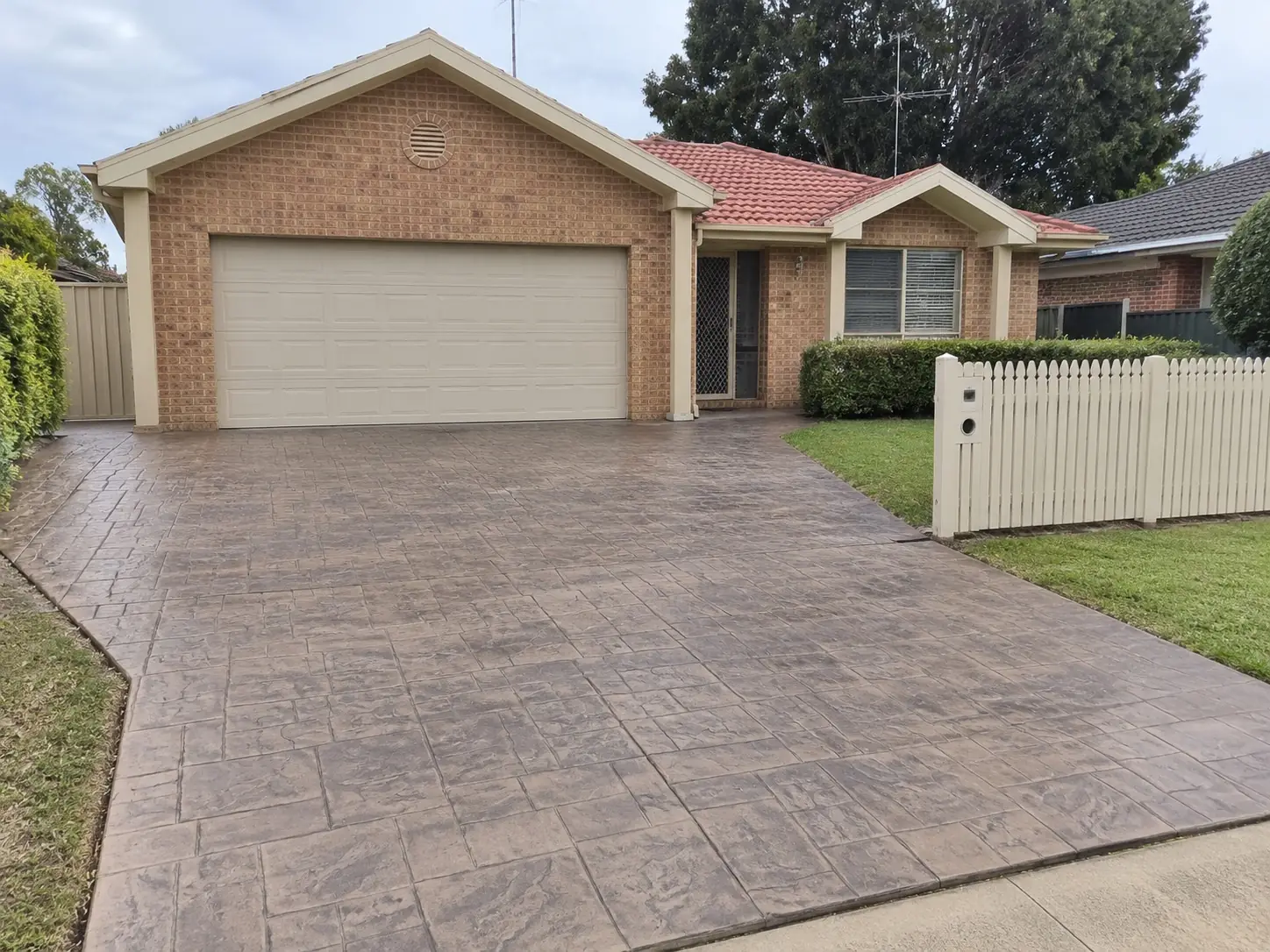
Driveways Coloured All the Way Through
Pigment is mixed into the whole batch, so the colour runs right through the slab instead of sitting on top. Sandstone, terracotta and slate grey are popular choices around here, and a light broom finish keeps the surface from getting slick on a damp morning.
Coloured Patios and Alfresco Slabs
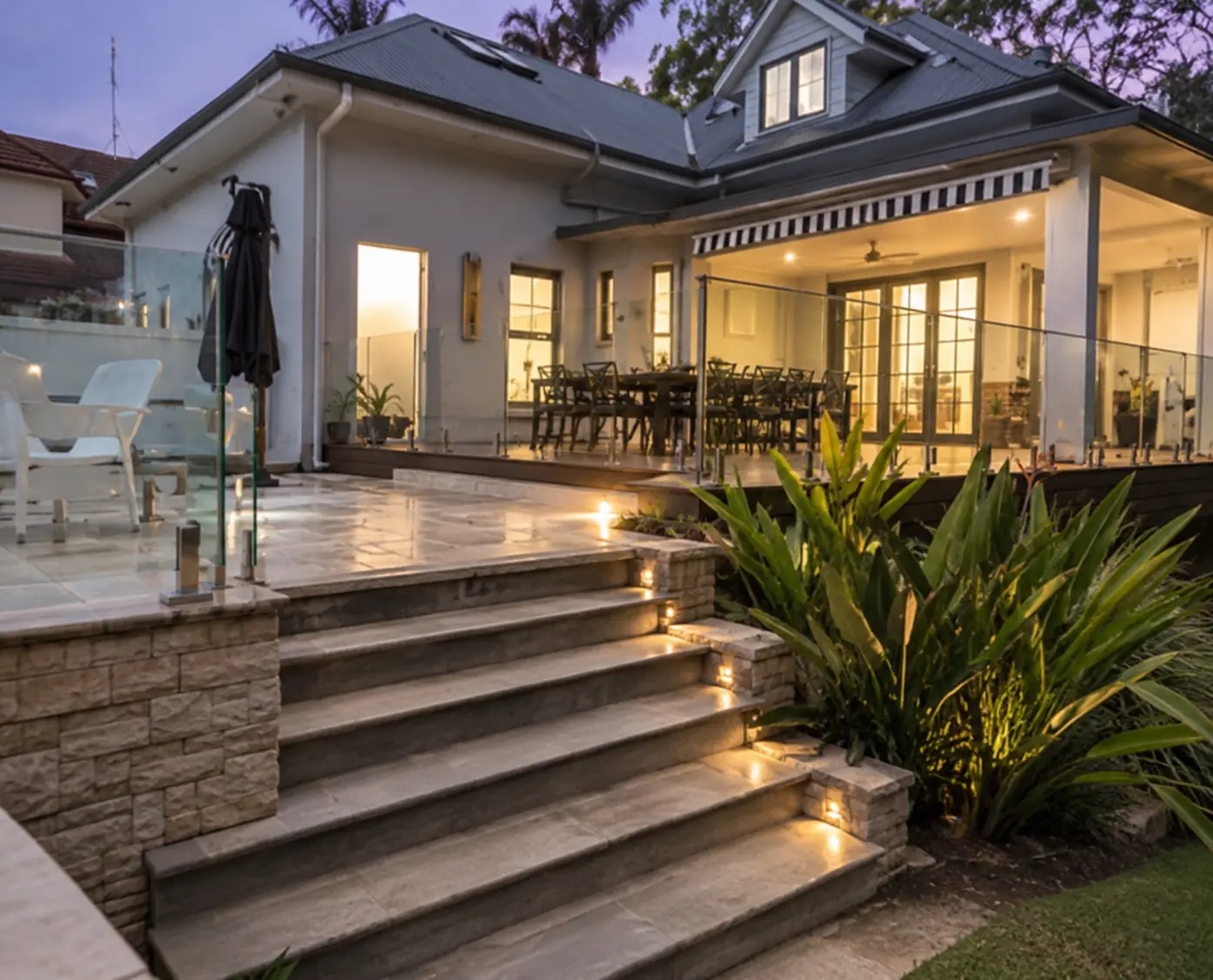
Patios, entertaining areas and the ground under a deck or carport can be tinted to sit comfortably with your decking, plants and outdoor setting. We build in falls that carry water away from the house, and leave room for posts or a roof you may want down the track.
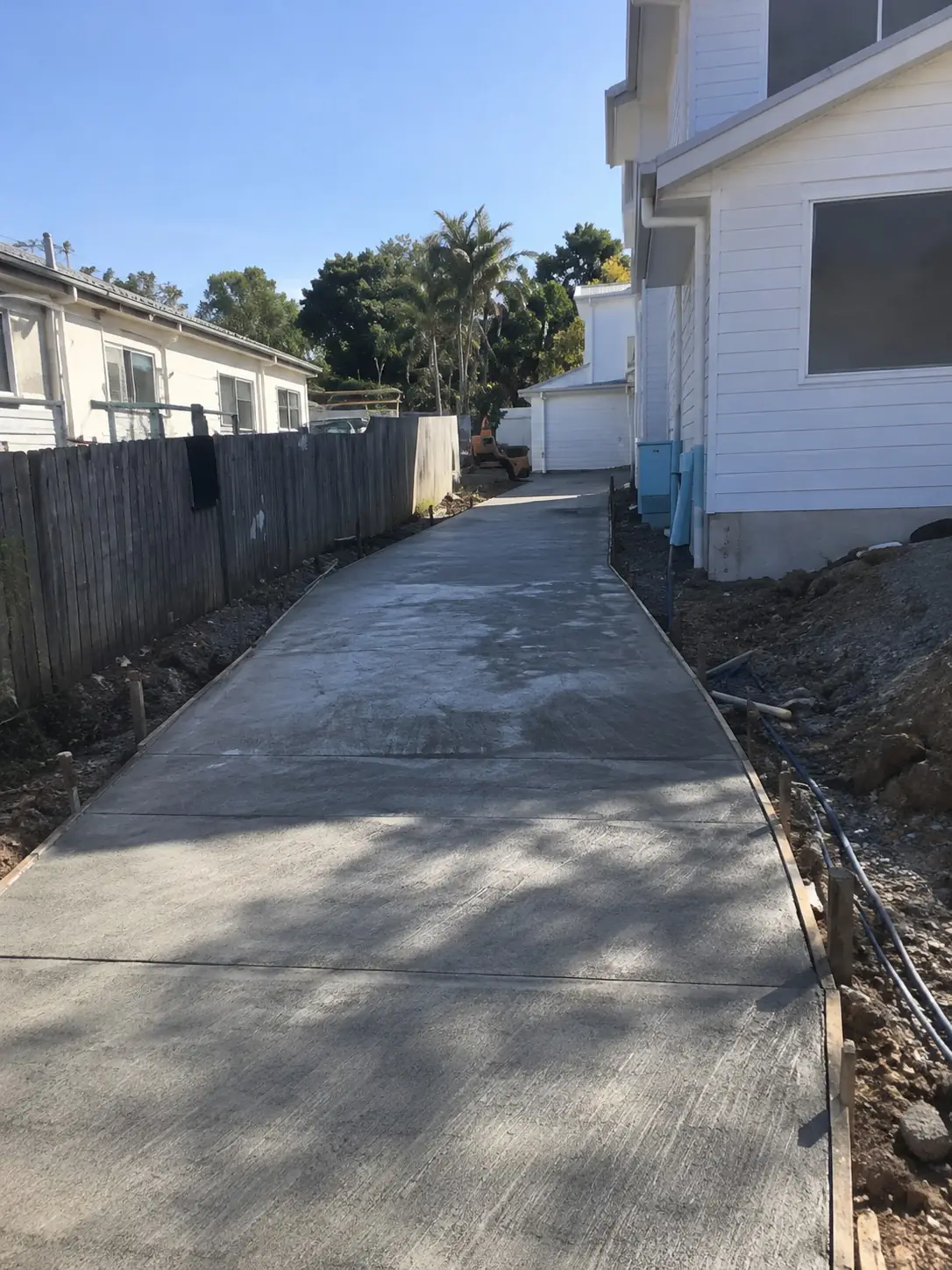
Tinted Paths and Mowing Strips
Coloured paths, side runs and mowing strips can link the front gate, the clothesline and the shed. A gentle tint softens a sea of grey, and a formed edge beside the garden beds helps hold mulch and soil in place when heavy rain sweeps through.
Contrast Borders and Bands
A border, header course or panel in a second colour can frame a driveway or draw the eye to the front entry. Saw cuts or formed edges keep each colour crisp, and we can echo details from the house such as the window trim, fence or roof.
Cafe, Motel and Club Frontages
For cafe forecourts, motel entries, holiday park paths and club grounds, colour can follow the building palette or a designer's spec. We choose a texture with enough grip for busy foot traffic, a passing coastal shower and the occasional spilt drink.
Extending an Older Coloured Slab
Adding width to a driveway or a parking bay beside existing coloured concrete takes some care. We assess how far the original has weathered, pick a mix that blends as closely as possible, and put the join on a natural break such as a step or garden edge.
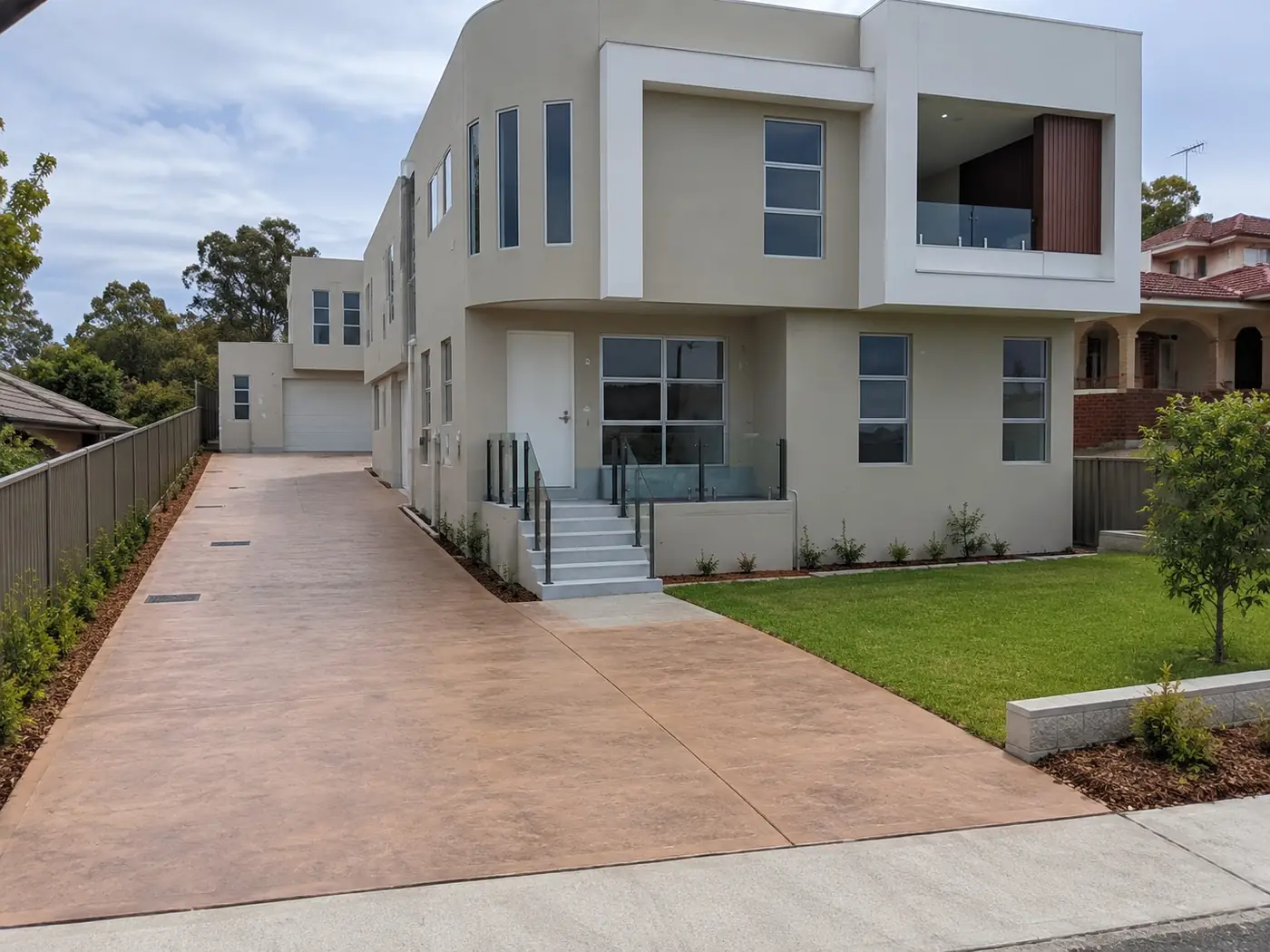
Three Easy Steps to Coloured Concrete in Wollongong
Choosing a colour ought to be fun, and we would like you to be sure of it before the pigment goes in. These steps help you land on shades that suit your house and the strong coastal light.
- Photograph your home: Include the roof, walls and garden in the picture so we can recommend colours that work with them.
- Compare samples at your place: We can drop colour samples off so you can hold them against your walls and paving in real daylight.
- Share what caught your eye: Spotted a coloured driveway or patio you like, online or on a drive around town? Send it through and we will discuss how to get a similar look.
Darker colours run hotter underfoot, and pale ones show leaf stains and mould in damp, shaded corners, so we explain how each choice will behave at your property. Once you have a shortlist, send us a message through the form to arrange your free quote.
How We Get Colour Right in Wollongong
The Same Shade From Every Truck
A colour mismatch between loads cannot be fixed once the concrete has gone off. We confirm the pigment dose for each batch with the plant, use a single supplier for the whole job and plan joints so any small shift lands on a clean line.
Even Curing in Summer Conditions
Patchy curing is one of the main reasons coloured slabs look blotchy, and hot, gusty summer days in Wollongong make it more likely. We keep moisture even across the slab in those first days and avoid shortcuts like plastic sheeting laid straight on the surface, which can leave pale marks.
Advice for Shaded, Damp Spots
Tinted concrete under trees or along the shady side of a house can pick up mould, algae and lichen, particularly on south-facing ground under the escarpment. We recommend sealers and textures that clean up more easily there, along with gentle cleaning methods that will not lift the colour.
A Sensible Resealing Plan
Sealer guards the colour, though sun and traffic slowly wear it away. At handover you will know which product went on, how to tell when it is getting thin and about how often to recoat, so the slab keeps its good looks.
Upfront About Shade Variation
Because every slab is mixed and finished on site, some variation in tone is normal, especially with oxides. We show you photos of real completed slabs first, so you know what level of variation to expect from your own pour.
Solid Ground Prep Comes First
Colour cannot rescue a slab that cracks or sinks. Each job is excavated, compacted, reinforced and jointed to suit the ground, whether that is reactive clay, sandy soil near the beach or shale and sandstone, well before we talk pigment.
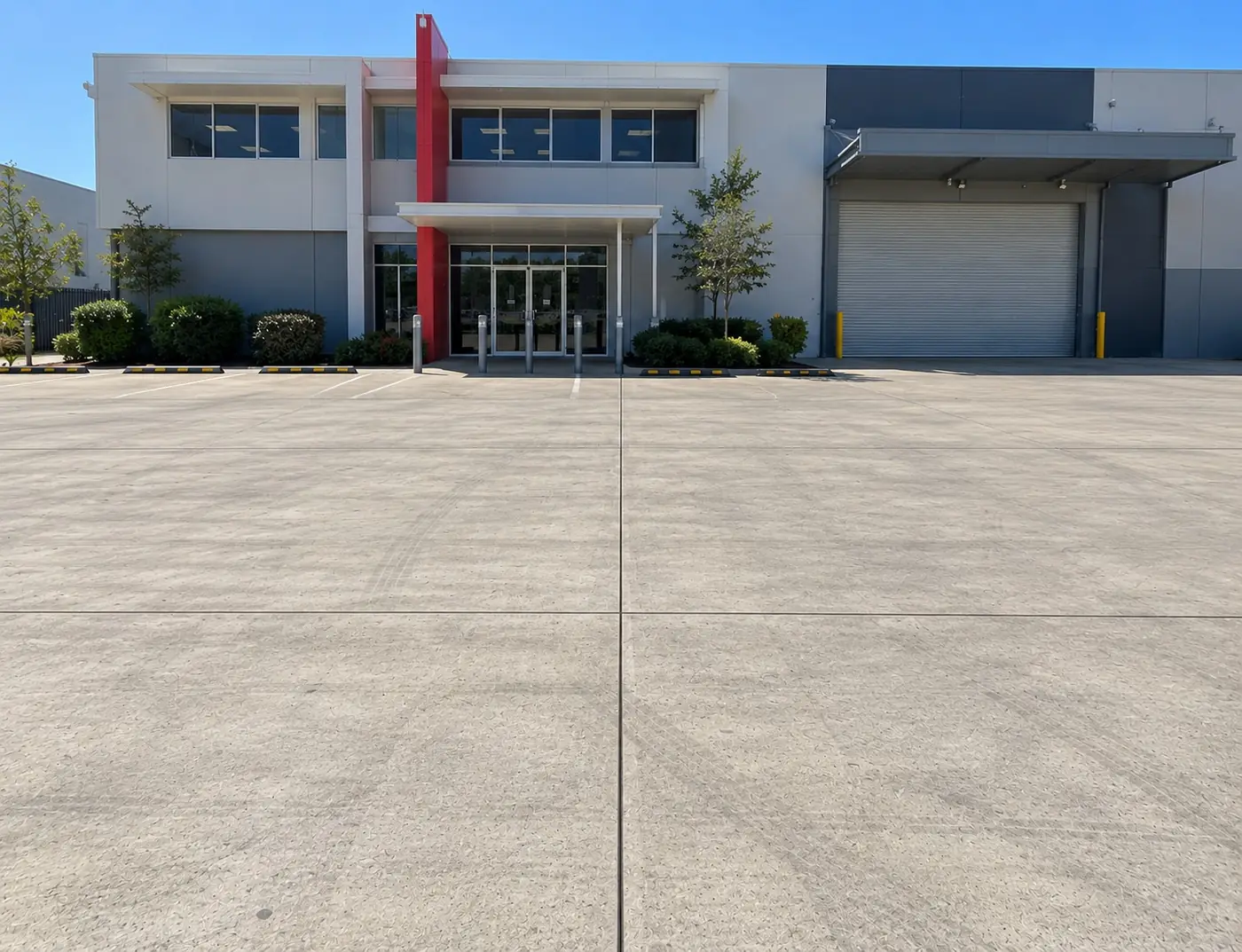
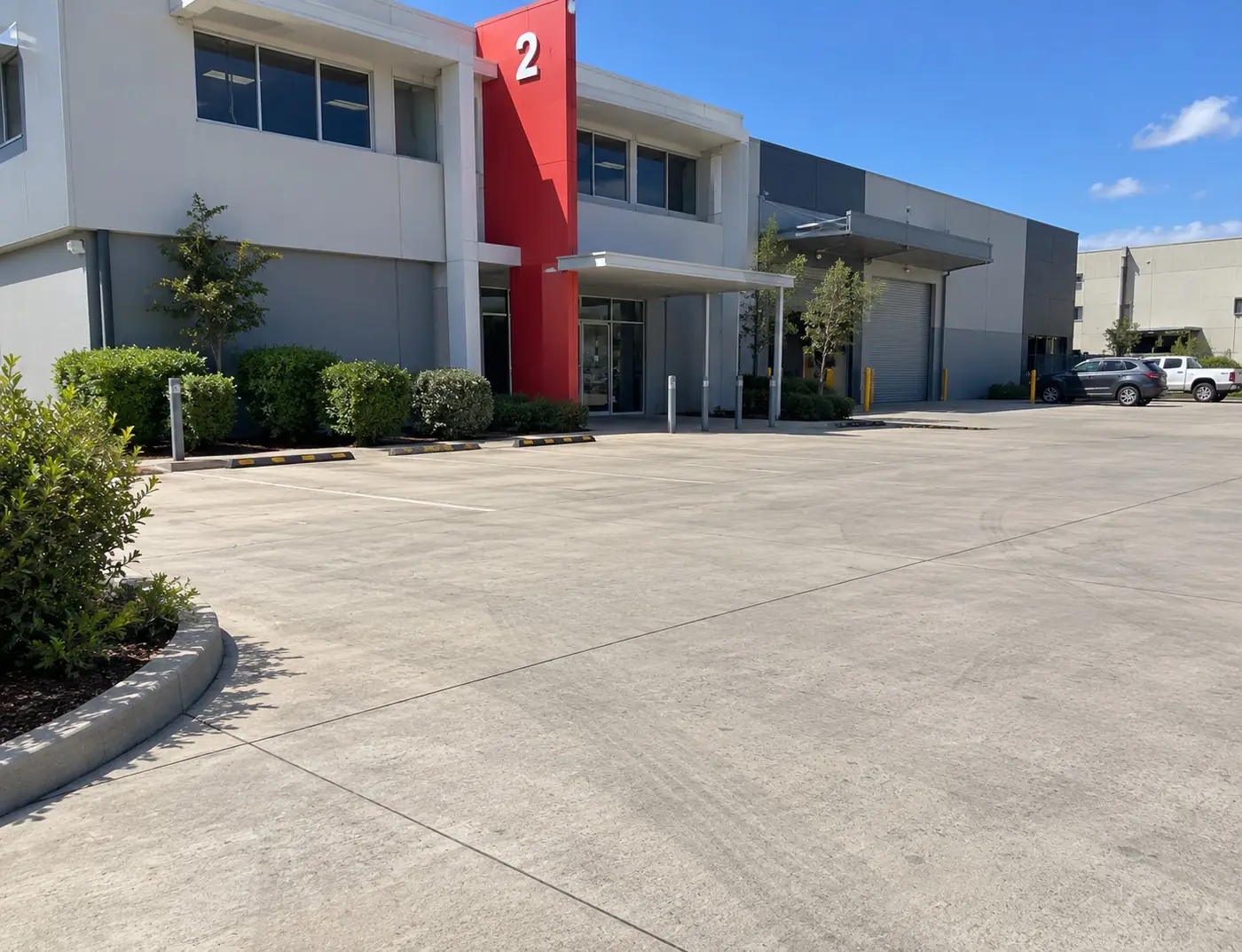
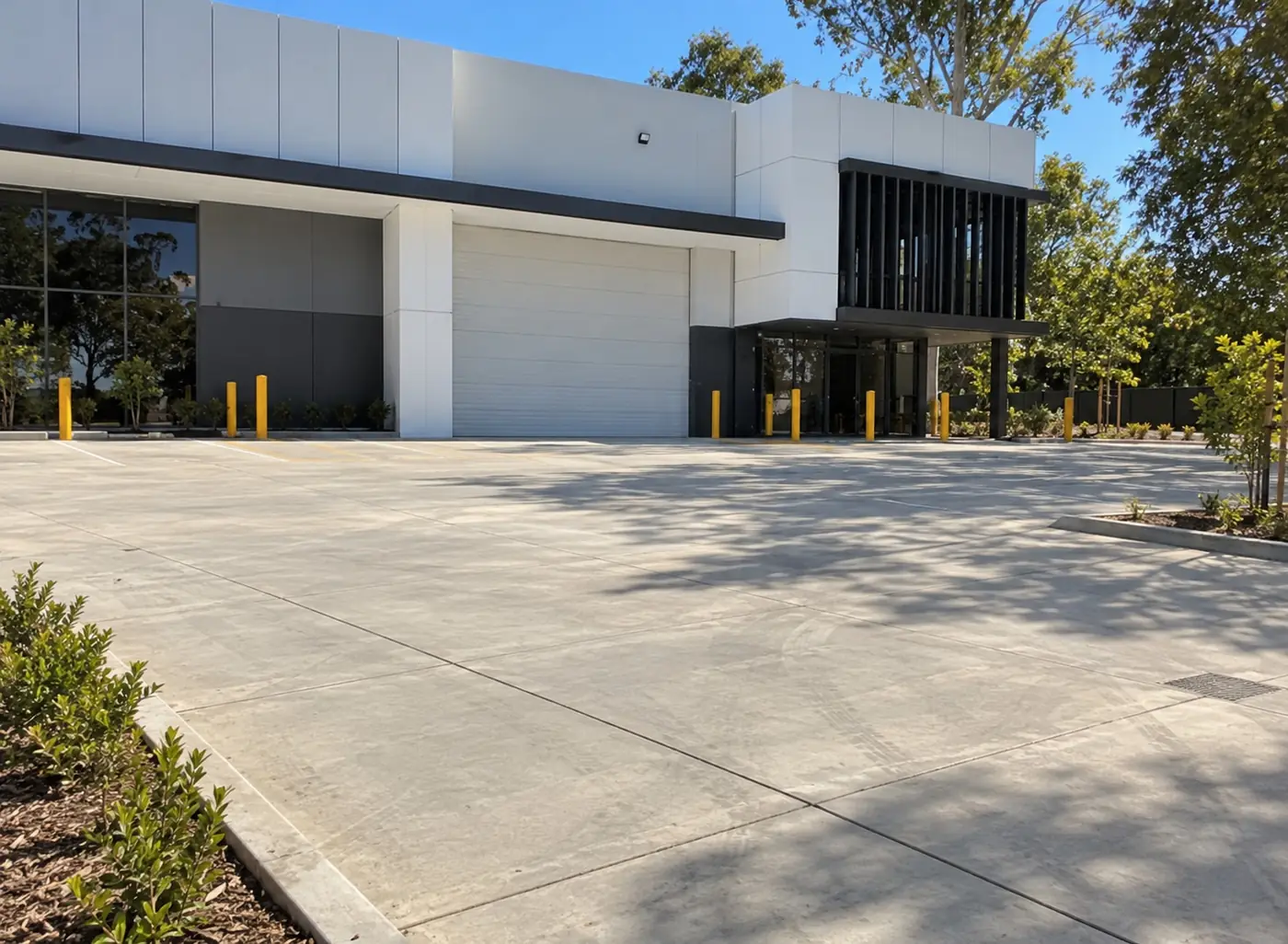
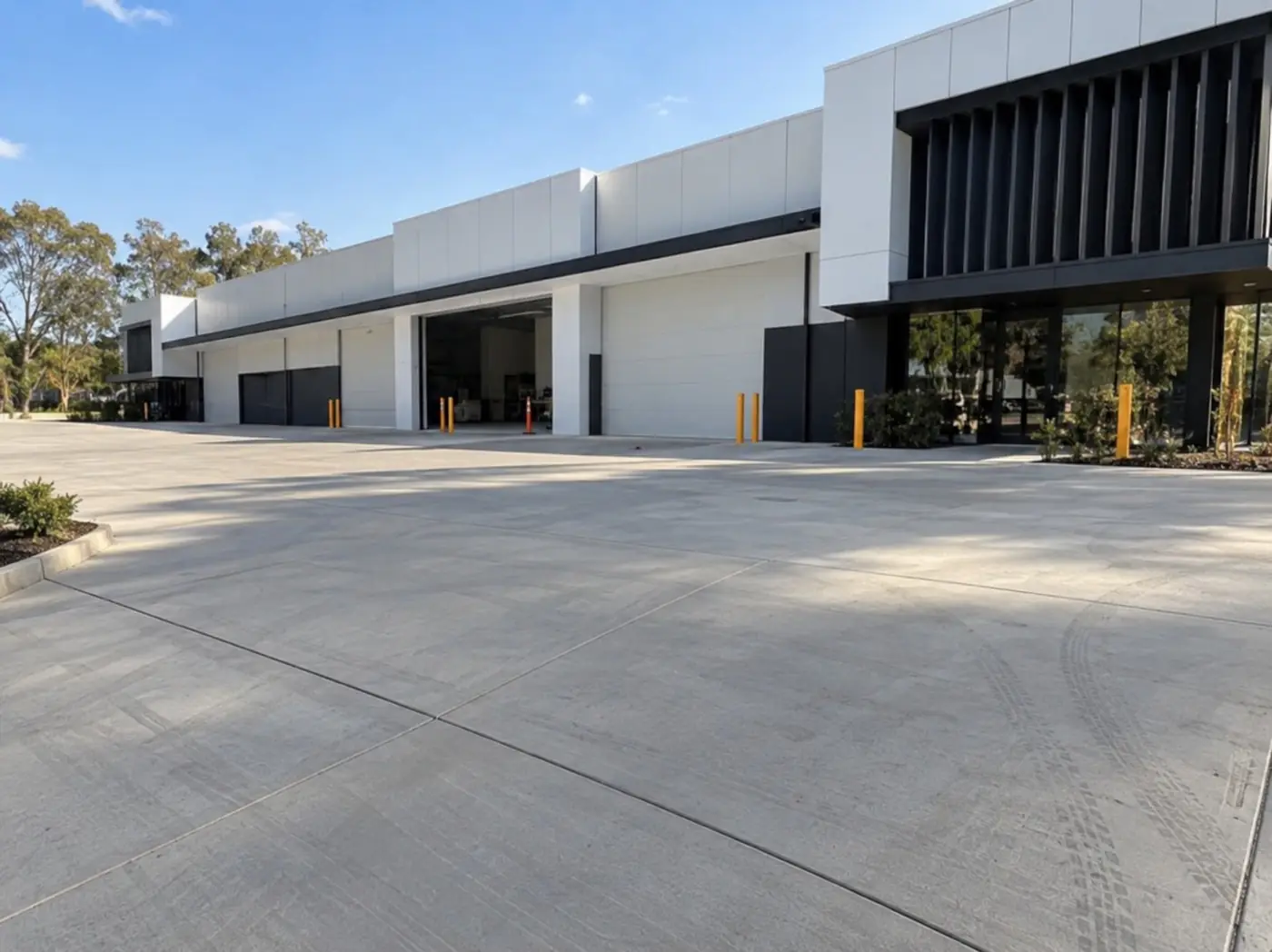
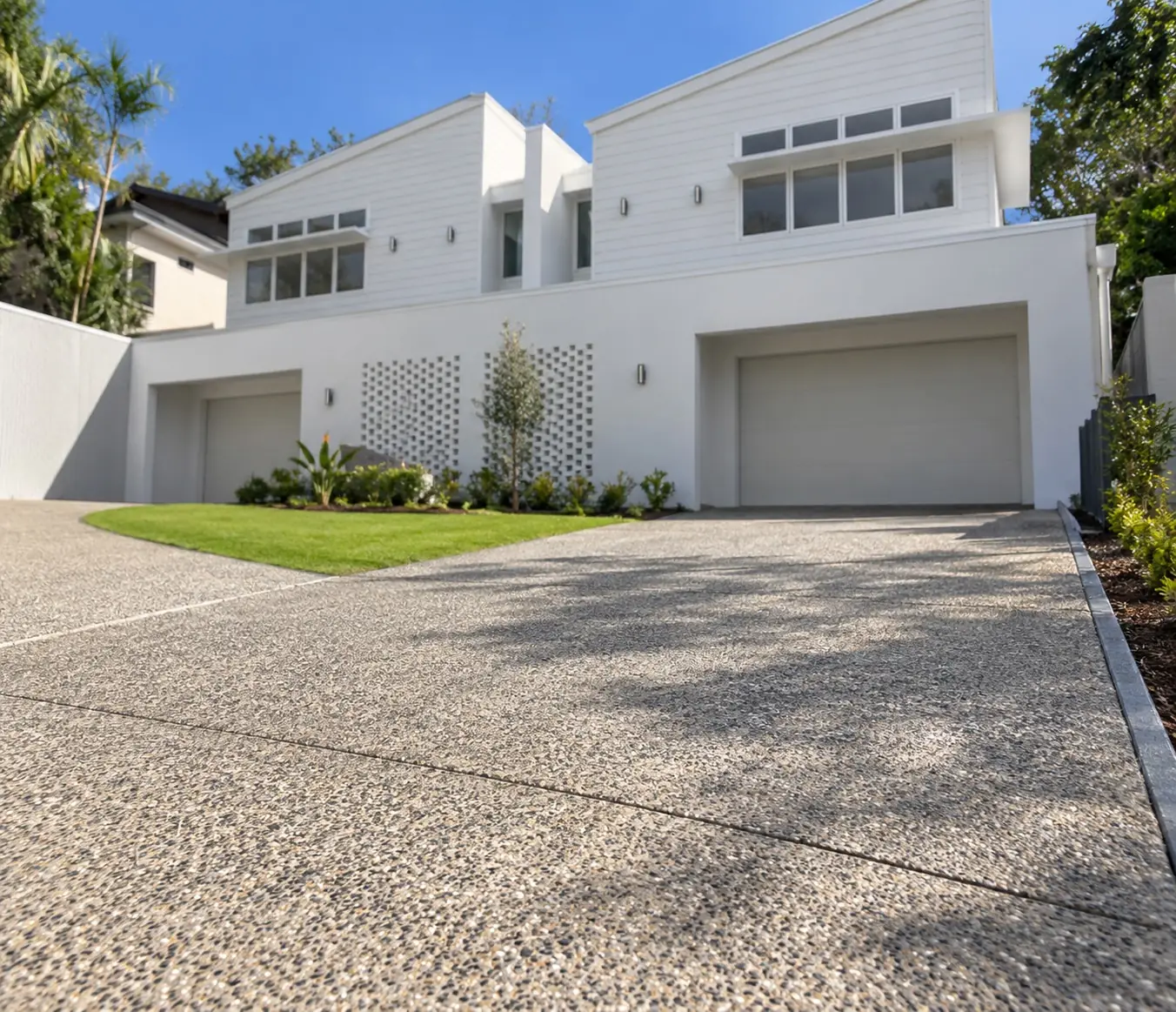
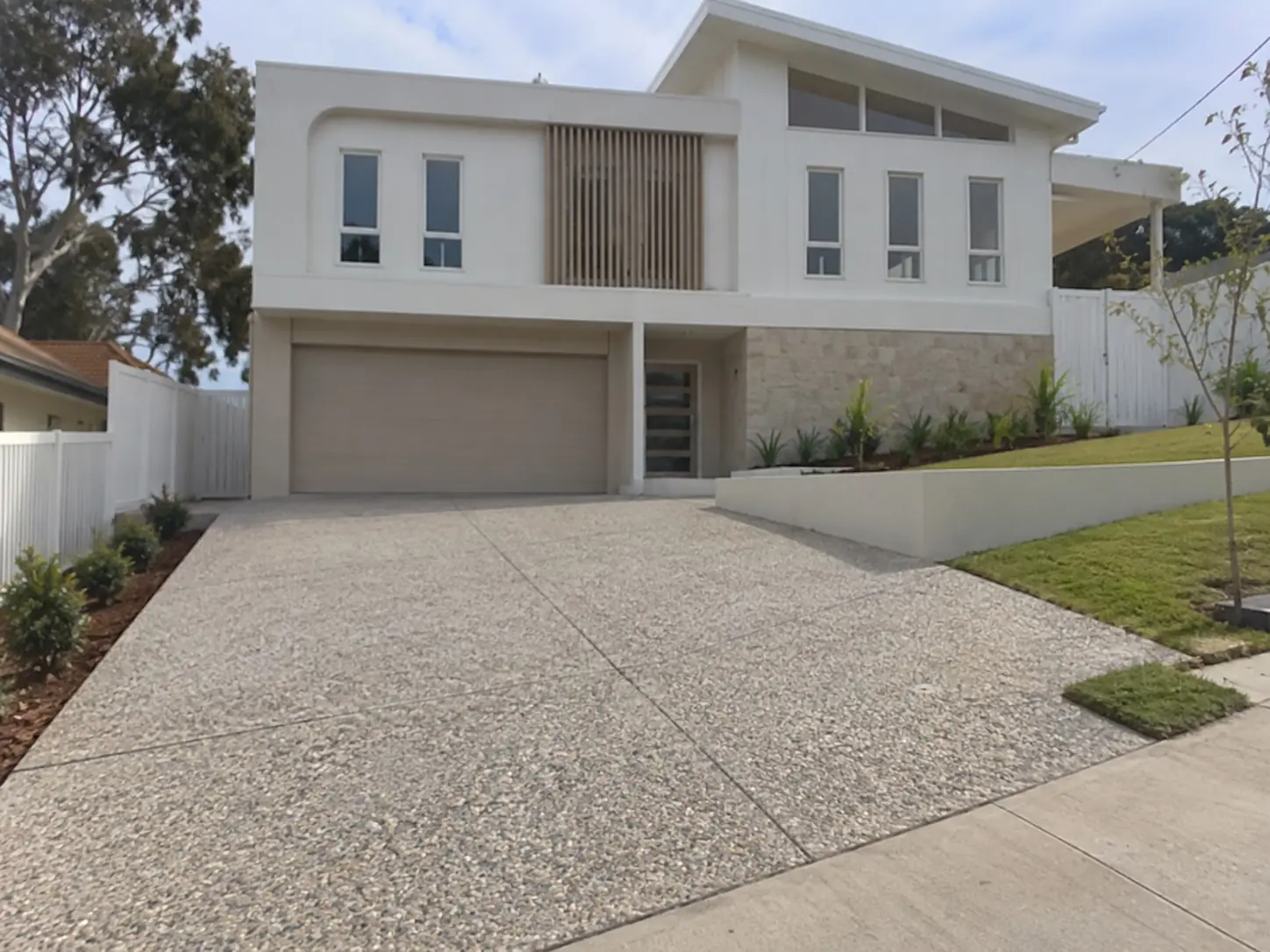
A Look at Our Wollongong Concrete Work
Coloured Concrete FAQs
Common questions from Wollongong homeowners about coloured concrete: fading in coastal sun, oxide versus hardener, staining an old slab, picking colours and what colour adds to the price.
Some fading is normal. Summer UV along the coast is harsh, but how the colour is added and how well you maintain it change the outcome a great deal. Oxide mixed through the concrete performs best, as the colour runs the full depth and light wear just reveals more of the same shade. Surface-applied colour is a thinner layer and more exposed. In either case the sealer does the heavy lifting, and topping it up every few years matters more than which pigment brand you pick. An older coloured slab that looks washed out often comes back to life with a thorough clean and a new coat of sealer.
Oxide goes into the concrete at the batching plant, so colour is consistent through the whole slab. The tones are soft and slightly mottled, and chips or scuffs hardly show because the same colour sits underneath. Colour hardener is a dry powder broadcast over the fresh surface and trowelled in as we finish. It produces a stronger, richer colour and a tougher, denser surface, but the colour is only a few millimetres deep. If you want bold colour on a driveway, hardener works well. If the slab is likely to cop knocks and chips, oxide is generally the safer choice.
It can. Penetrating stains or dyes soak into a cured slab instead of being mixed in at the plant. The finish is more translucent and varied than pigmented concrete, so some of the slab's original character still shows through, which plenty of people enjoy. Preparation is what makes or breaks it. The concrete needs to be sound and stripped of old sealer, paint, curing compound and grime so the stain can penetrate, and that cleaning is the bulk of the job. Every slab takes stain a little differently, so we try it on a hidden patch first and you see the real result before we do the whole area.
Warm earthy tones like sand, tan, soft brown and muted terracotta sit well beside weatherboard, fibro, render and brick, which makes them a natural fit for the post-war fibro and brick houses, weatherboard cottages and the Federation homes up around Thirroul and Austinmer. Charcoal and mid greys tend to suit newer builds and dark cladding, such as many of the homes at Shell Cove. Practical things matter too. Dark shades heat up in full sun, worth considering beside a pool or alfresco area, while very light shades reveal mould, leaf stains and tyre marks sooner on a damp, shaded drive. A mid tone is usually the easiest to live with, and we can bring samples so you see them in your own light.
Colour adds to the bill, but it remains one of the cheaper ways to dress up a plain slab. Oxide in the mix adds a moderate amount, and darker shades need more pigment. Colour hardener costs more because you are paying for the material plus the extra labour of working it in while finishing. Nothing underneath changes. The excavation, road base, mesh and concrete are the same as a plain slab, so colour is an add-on rather than a different job. Access, site levels and preparation tend to move the total more, which is why we price each job after seeing the site.
More services worth a look
Keen to bring some colour to your concrete?
Fill us in on the project and we will bring samples to test against your home in natural light.