Boat Ramps in Wollongong
Get a Free EstimateWollongong Concrete Boat Ramps
A boat ramp has a tougher life than almost any other slab. It is pounded by waves, soaked twice a day by the tide, coated in slippery growth and asked to carry a loaded car and trailer at an angle. We build and repair boat ramps in Wollongong and around the Illawarra with that in mind, using precast planks where the concrete will sit underwater and poured sections higher up the slope.
Every job is planned around low-tide windows, the swell forecast and the approvals that come with working on the foreshore. Grooved finishes give grip on a wet surface, and a properly protected toe stops the waves undermining the bottom end. Whether it is a private ramp on sheltered water or a repair to a tired old one, tell us about the site and we will give you a straight answer on what is involved.
Boat Ramp Concrete Work Around Wollongong
Private Ramps on Sheltered Water
Waterfront owners on calm, protected shorelines such as the edges of Lake Illawarra often want a simple ramp to launch a tinny, kayak or small trailer boat. We set out the grade, form the ramp and finish it so the trailer wheels and your boots both have something to bite into.
Precast Plank Ramps
Where the lower end sits in water most of the time, precast concrete planks are often the practical choice. They are cast and cured in dry conditions, then laid onto a prepared bed at low tide, which avoids trying to pour fresh concrete into moving water.
Cast-in-Place Ramp Sections
The upper part of a ramp, above the usual waterline, can be poured in place like a heavy-duty slab. We form it in bays with joints at sensible spacings, place the reinforcement your engineer specifies and time the pour around the tide so the fresh concrete is not flooded.
V-Groove and Grooved Finishes
Wet, algae-coated concrete is treacherous underfoot and under tyres. Ramps are given a deep grooved or V-groove surface across the slope, which gives grip, lets water drain off and is far easier to keep clean than a smooth finish.
Toe and Edge Protection
Most ramp failures start at the bottom, where waves and propeller wash scour the bed out from under the concrete. A properly detailed toe, edge beams and rock or concrete scour protection help stop the ramp being undermined over time.
Ramp Repairs and Extensions
Older ramps often end up with broken planks, a slumped toe, exposed steel or a lower end that no longer reaches the water at low tide. We can break out damaged sections, recast or replace planks and extend the ramp where the approvals allow.
Three Ways to Get Your Wollongong Boat Ramp Moving
Ramp projects tend to stall at the paperwork stage rather than the concrete stage. We try to make the early part simple, and there are three easy ways to start.
- Share your drawings and consents: If an engineer has already designed the ramp or council has issued conditions, mention them in the form and have them ready for the site visit so we can price exactly what is specified.
- Describe the boat and the shoreline: Still at the idea stage? Tell us what you launch, how sheltered the water is and roughly how far the tide goes out, and we can talk through precast versus poured options.
- Meet us on site at low tide: Seeing the bed exposed shows us the ground, the scour and the access for machinery, and flags early whether a cofferdam, sandbag bund or pumping will be needed.
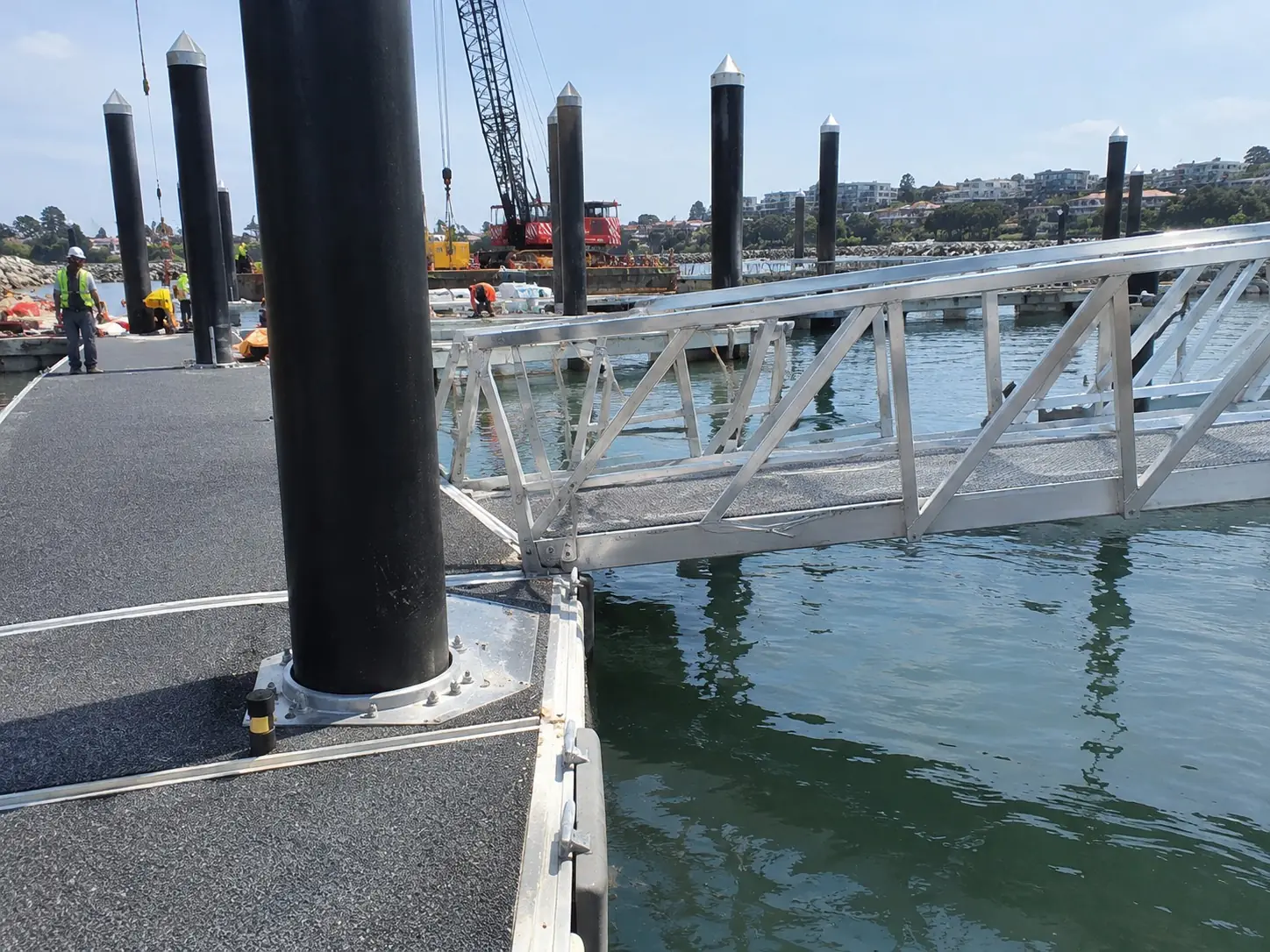
Ramps share a lot with our other coastal work. The concrete itself is usually a marine-grade concrete mix with extra cover over the reinforcement, and if your ramp ties into a boat landing or floating pontoon, our team also handles jetty and pontoon footings. Get in touch and we will book a free site visit around the tides.
Why Illawarra Waterfront Owners Trust Us With Their Ramps
Planned Around the Tide Chart
Ramp work lives and dies by the tide. We plan each stage around low-water windows and the swell forecast, so formwork, planks and pours happen when the site is actually workable.
Concrete Made for Salt Water
A ramp sits in one of the harshest exposure zones there is. Your engineer sets the strength grade, cover to steel and detailing, and we place and compact the mix so it can deliver that durability.
Grip You Can Rely On
We put real care into the grooved finish, keeping the pattern consistent and deep enough to stay useful once weed and slime start to grow on the lower section.
Careful With the Waterway
Cement washout and silty runoff do real harm in a lake or estuary. We use bunds, controlled washout areas and sensible staging to keep concrete and sediment out of the water.
Straight Talk on Approvals
Ramps on the foreshore usually involve council and state agencies. We will tell you what we know, work to your consents and engineer's drawings, and never pretend a permit is a formality.
Clear, Itemised Quotes
Planks, in-situ pours, scour protection, access and tide-dependent labour are listed separately, so you can see where the money goes and compare like with like.
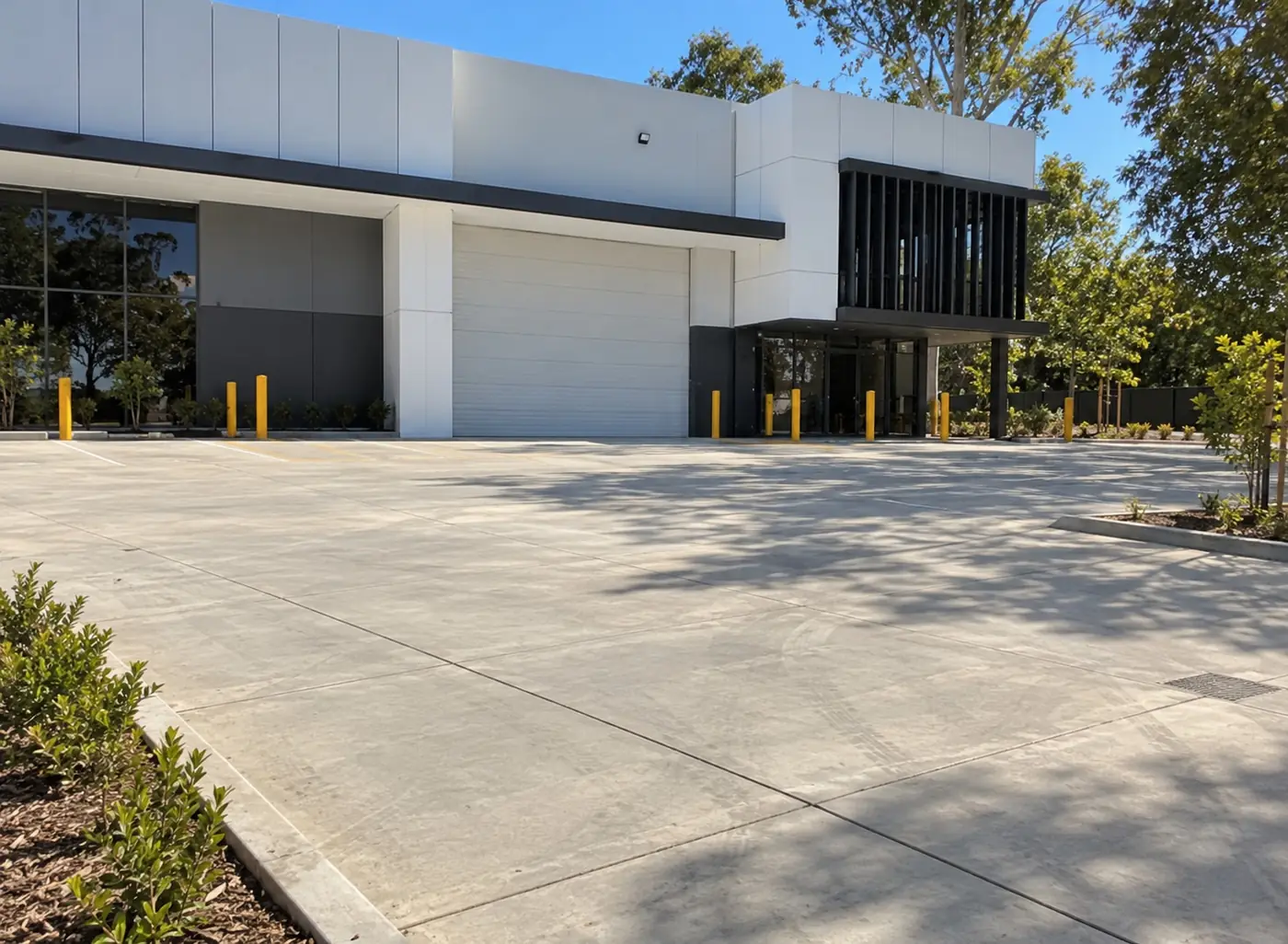
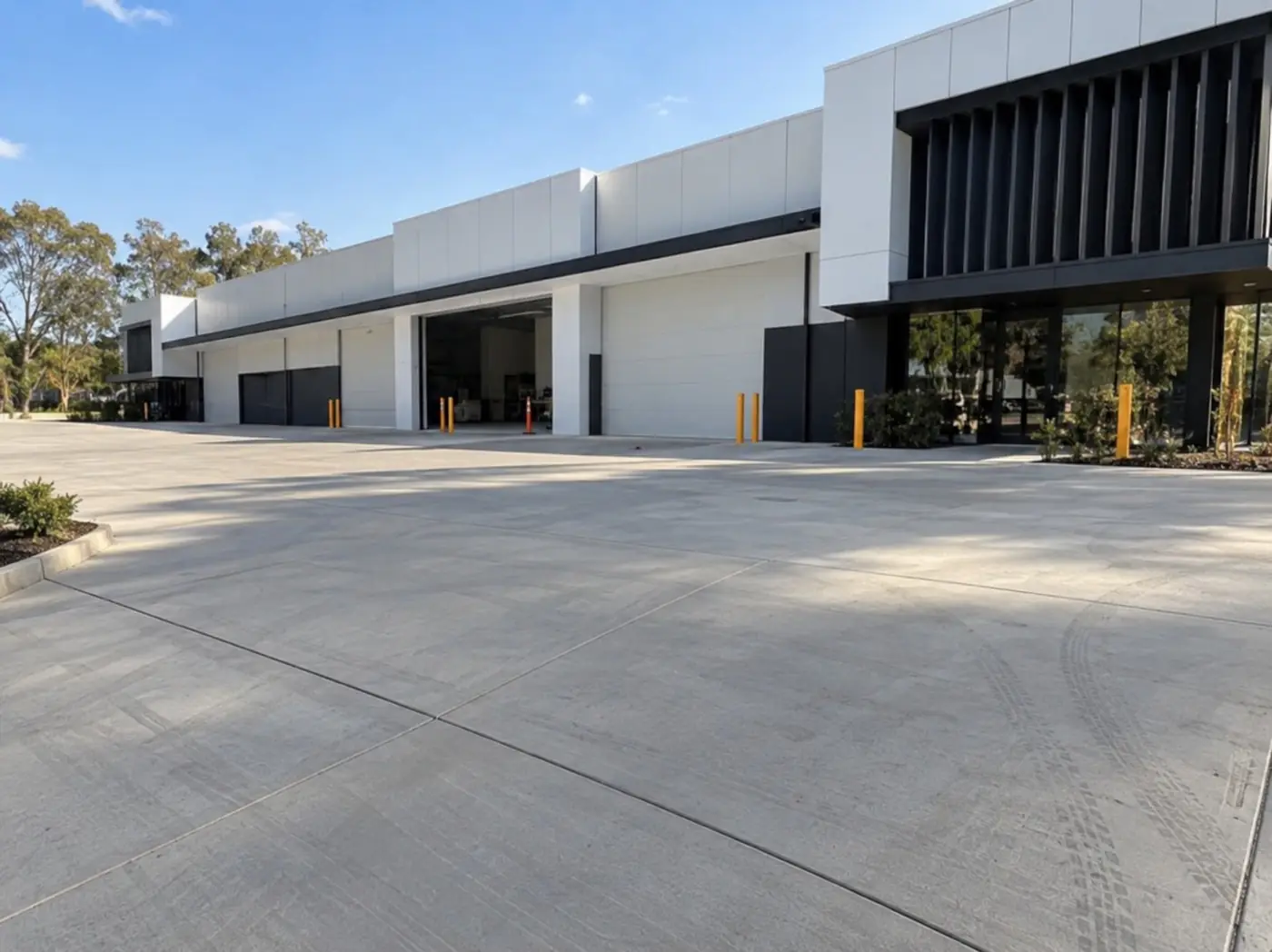
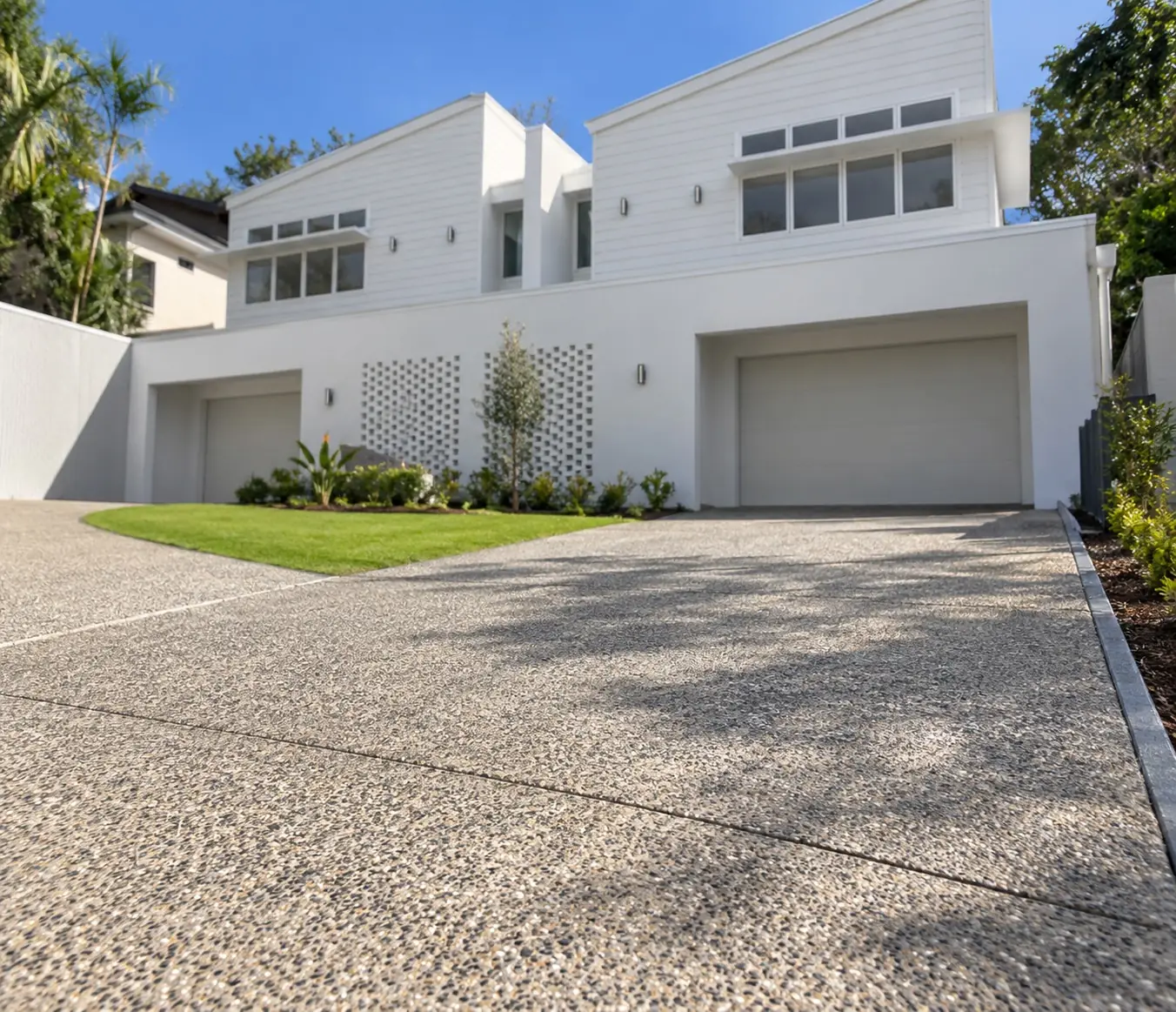
A Look at Our Wollongong Concrete Work
Boat Ramp Questions We Hear Often
What Wollongong waterfront owners and contractors ask us about ramp approvals, precast planks, slope and repairing an ageing ramp.
In almost every case, yes. Ramps are built on the foreshore and usually extend below the mean high water mark, which can bring in development consent from Wollongong City Council, Shellharbour City Council or Kiama Municipal Council, plus landowner consent and permits from state agencies such as Crown Lands, Transport for NSW maritime or NSW DPI Fisheries, depending on where the ramp is and what it affects. Coastal planning rules under the Coastal Management Act 2016 and the Resilience and Hazards SEPP may also apply. The exact mix depends on the site, so confirm with council and the relevant agencies early. A coastal or civil engineer is usually involved in the design.
Often it is a mix of both. Precast planks suit the lower section that sits underwater or in the tidal zone, because they are made and cured in the dry and simply laid onto a prepared bed at low tide. The upper section, which stays dry for most of the tide, can be poured in place. Very sheltered sites with a big tidal range sometimes allow more in-situ work, while exposed sites usually lean on precast. Your engineer and the site conditions decide the split.
Ramps are generally built at a fairly gentle, consistent grade so trailers can be backed in far enough without the car's wheels reaching the water, and so people can walk the slope safely. The right figure depends on the boats using it, the tidal range and the shape of the shoreline, and your engineer will set it on the drawings. What matters on site is that we hold that grade accurately from top to toe.
Often, yes. Cracked or broken planks can be swapped out, spalled sections with rusting steel can be broken back and repaired, and a scoured toe can be rebuilt with new protection. If the ramp has moved badly or the base has washed out, a partial or full rebuild may make more sense. We will look at it at low tide and talk through the options honestly. Repair work below the high water mark can still need approvals, so check that before work starts.
Public ramps in the Illawarra are council or state assets, so the work is tendered and managed by those bodies and their contractors. We are happy to price concrete packages for builders and civil contractors on those jobs, as well as private ramps on residential and commercial waterfront sites. Get in touch with the scope and drawings and we will tell you whether it is a good fit for us.
More services that pair well
Planning a new ramp or fixing an old one?
Tell us where it is and what you launch, and we will come back with a clear, itemised price.