Reinforced Concrete Contractors in Wollongong
Get a Free EstimateWollongong Reinforced Concrete
Concrete is brilliant under compression, but it needs a bit of backup when it comes to tension. That’s where steel comes in. Reinforced concrete in Wollongong combines the strength of steel bars or mesh with a quality concrete mix, creating a material that can carry heavy loads, resist cracking and handle the movement our local soils throw at it.
You’ll find it in everything from house slabs and driveways to retaining walls, car parks and commercial buildings. The trick is placing the steel correctly, with the right cover, spacing and support, so it does its job for decades. Poor placement can lead to rust, spalling and early failure. We follow engineering specifications closely and double-check everything before the pour begins. If your project needs extra muscle, we’ll make sure it’s built to last.
Reinforced Concrete Jobs We Handle in Wollongong
Stiffened Raft House Slabs
New homes, granny flats and extensions across Wollongong's mixed ground, from escarpment shale to reactive clay and coastal sand, often sit on raft slabs with stiffened edge and internal beams. We dig the beam trenches, lay trench mesh and bar to the engineer's layout, and form up shower and garage set-downs before the pour.
Suspended Slabs and Elevated Decks
Balconies, decks above carports and floors that span over low or uneven ground are all suspended slabs, which call for formwork, propping and heavier reinforcement. Props and stripping times are planned carefully so the slab only carries its own weight once it's strong enough.
Pier and Stump Footings
Bored or pad footings go under homes on sloping blocks, restumping jobs, carports and pergolas. Each one gets a reinforcing cage or starter bars to suit the post or column above, so loads are carried down to firm ground rather than soft topsoil.
Core-Filled Block Walls
Blockwork for boundary walls, sheds and low retaining relies on vertical bars and grout pumped into the cores. Steel is placed at the spacings on the drawings, laps are checked as each course goes up, and every core is filled fully so there are no voids inside the wall.
Footings That Resist Wind Uplift
A shed, carport or patio roof needs footings that hold it down against wind, not just support its weight. Along this coast, where southerly busters and East Coast Low winds can be fierce, we cast the engineer's specified hold-down bolts and brackets into properly reinforced pads.
Caravan and Boat Pads
Boat trailers, caravans and motorhomes put their load through jockey wheels and stands that stay in the same place for months at a time. We thicken the slab beneath those points and add heavier bar along the edges where trailers get reversed on and off.

Three Easy Ways to Start Your Wollongong Reinforced Concrete Project
Strong reinforced concrete comes from careful planning. House slab, restumping footings or a heavy-duty driveway, the first thing we do is figure out exactly what it needs to carry.
- Send your engineering spec: Pass on your engineer's details through the form, and we'll go over bar sizes, mesh, cover and concrete grade before quoting.
- No plans yet? Describe the project and we'll point you toward an engineer, or run through what a designer is likely to ask.
- Ask for an itemised price: Steel, formwork, concrete and labour are shown as separate lines in your quote, so you can see where the money goes.
Close to the Illawarra coastline, reinforcement needs enough concrete cover to keep salty air and moisture from rusting it over time. Chairs, spacing and laps are placed exactly as drawn and checked before every pour. Get in touch today for a free, detailed quote.
How We Get the Steel Right on Wollongong Jobs
Reinforcement Finished Early
Our aim is to have all bars tied, laps secured and chairs in place at least a day before the concrete arrives. That leaves room for inspection and any corrections, instead of a rush job with a truck waiting on the street.
Someone Watching the Steel
Workboots and barrows can push mesh down while concrete is being placed. A member of our crew keeps an eye on it for the whole pour, lifting any sheet that sags so it holds its height right across the slab.
Engineer Consulted When Needed
Where a drawing is unclear or a detail doesn't fit the conditions on site, we check with the engineer before any bar is cut or placed. Sorting it on paper is much cheaper for you than sorting it once the concrete has set.
Designed Around Real Loads
A path to the bins and a pad for a loaded trade ute or delivery truck need completely different reinforcement. We find out what will actually park on and drive over the slab, and match the steel to it.
Site Conditions Assessed
Soft clay, loose fill and wet, low-lying blocks all put more demand on the steel. On the site visit we look at soil type, slope and drainage, and factor what we see into our advice on your slab or footing.
Clean Bar for a Strong Bond
Concrete bonds best to clean steel. Reinforcement is kept off the mud, loose rust is knocked off and form oil is kept away from it, so steel and concrete grip each other and perform as designed.
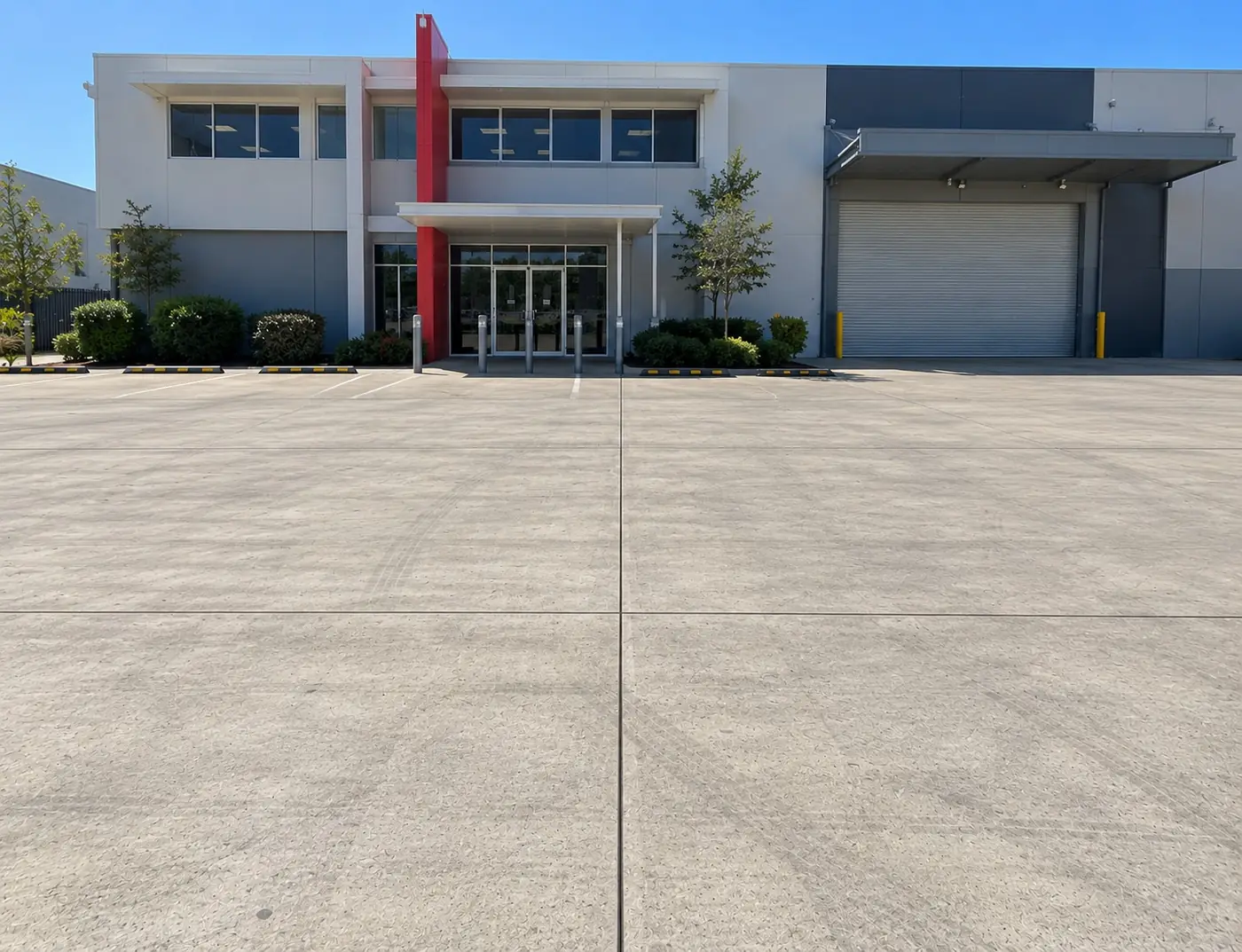
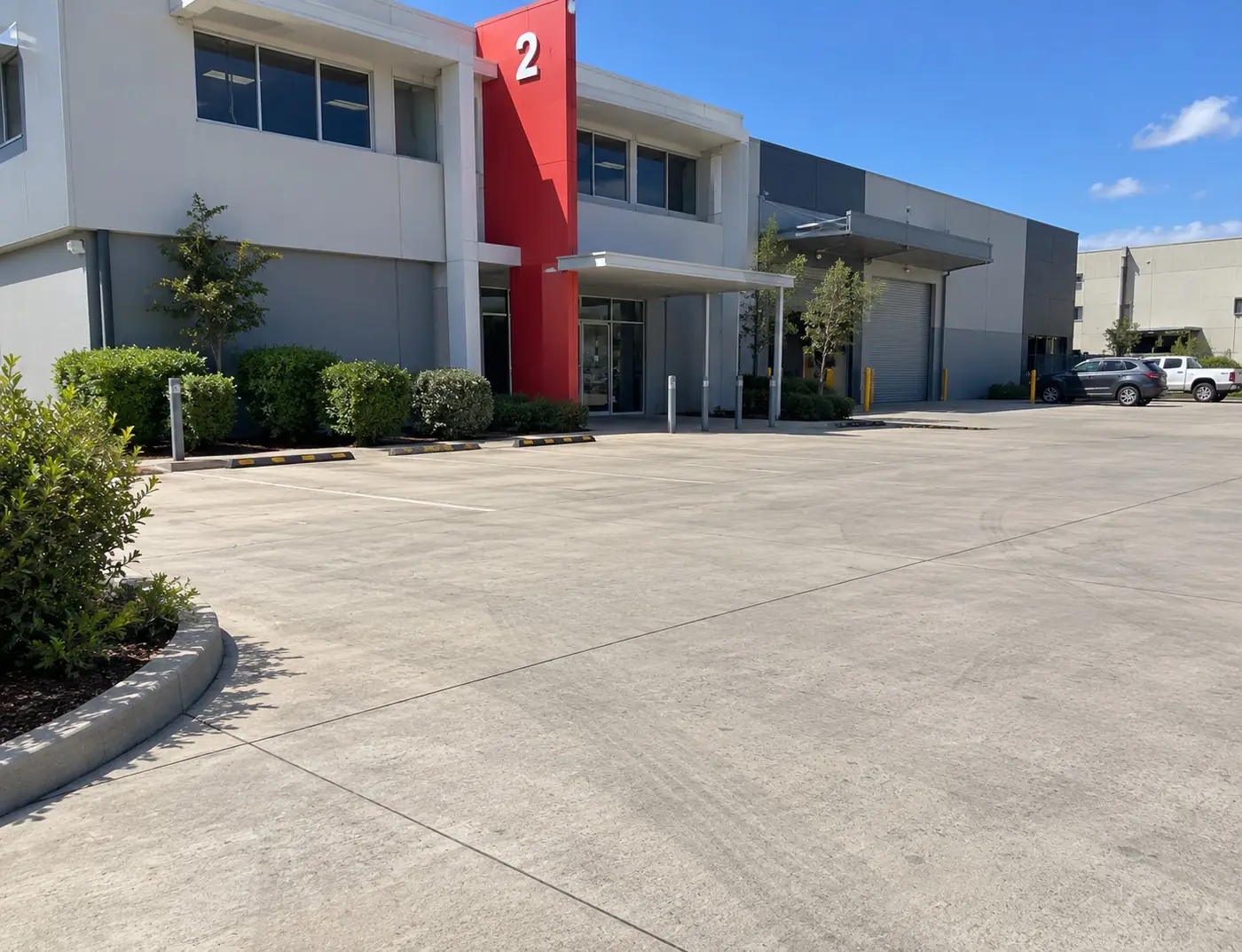
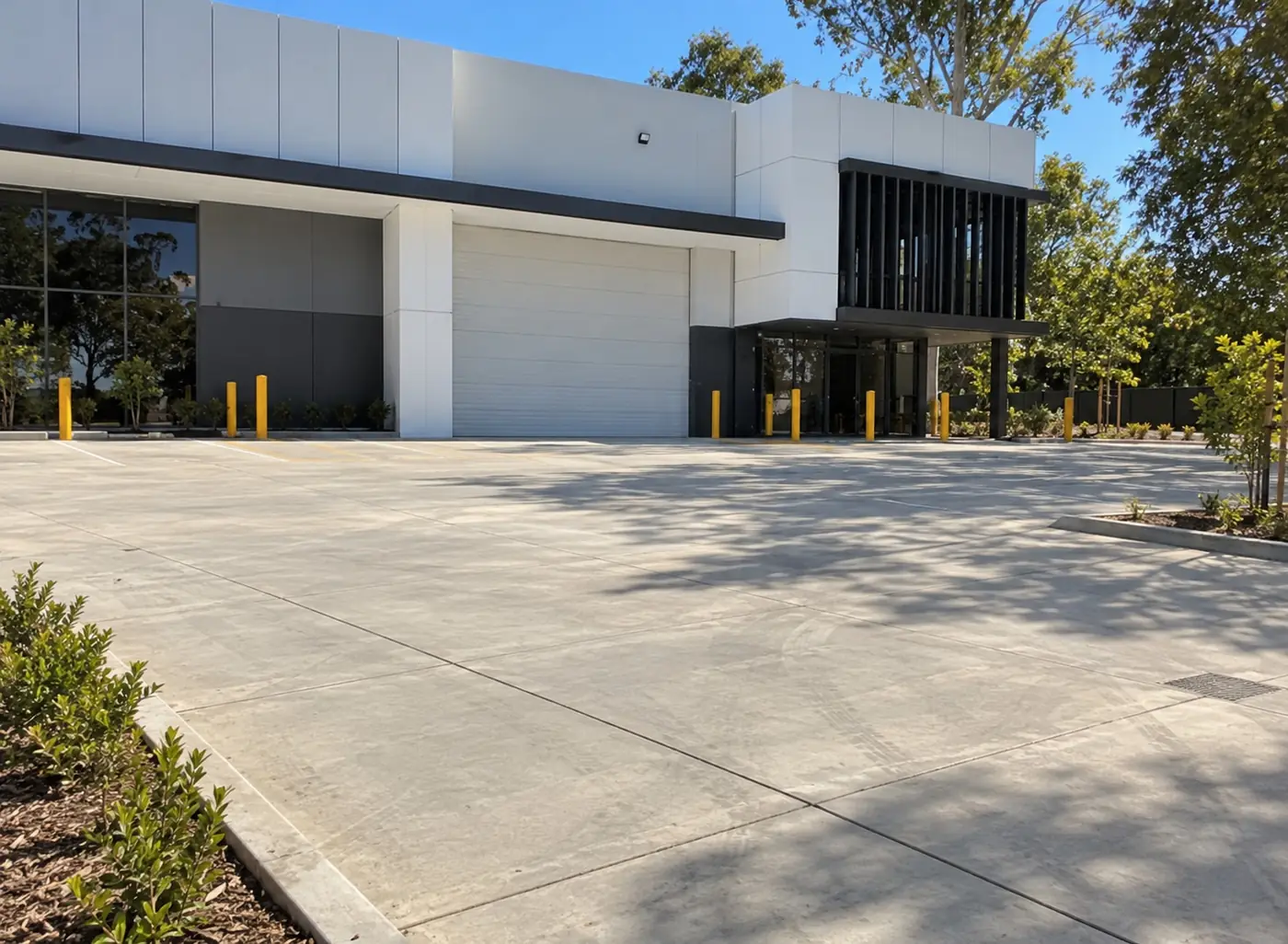
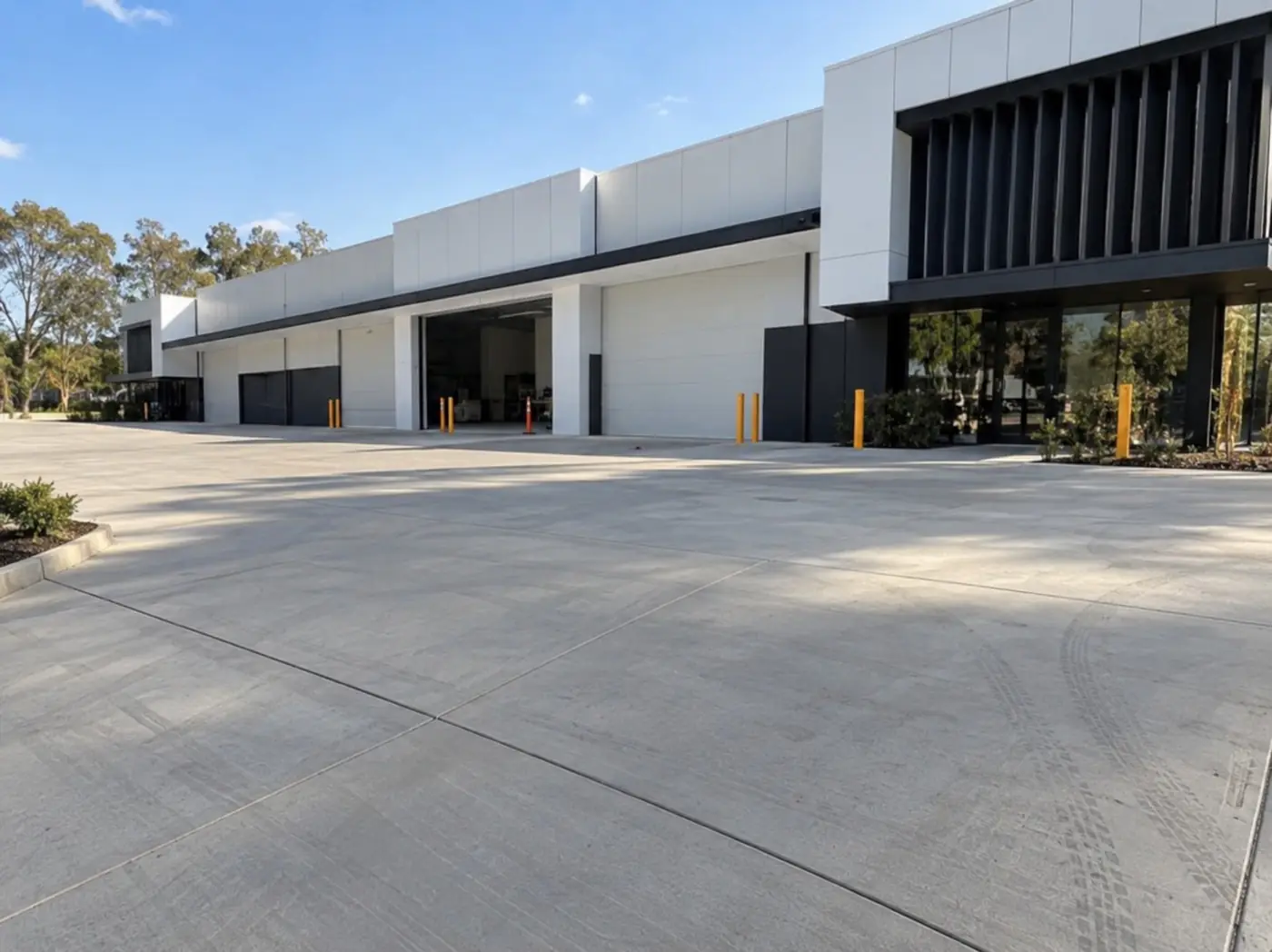
A Look at Our Wollongong Concrete Work

Questions About Reinforced Concrete
Common questions from Wollongong customers on reinforcement, covering steel in driveways, mesh compared with rebar, coastal cover, retrofitting steel and building to engineered drawings.
For almost every driveway, it is. Reinforcement doesn't prevent cracking, since all concrete cracks somewhere, but it ties the slab together across those cracks so they stay narrow and closed rather than widening and letting each side move separately. On clay or poorly drained reactive soil that swells when wet and shrinks when dry, carrying family cars, trade utes and the occasional delivery truck, a driveway without steel usually breaks apart at the cracks and settles unevenly within a few years. Mesh is a small slice of the overall price, yet it has more influence than almost anything else on how long a driveway lasts.
Mesh comes as factory-welded sheets of relatively light wire that get overlapped on site, and it's well suited to slabs and driveways where loads are spread evenly. Rebar is heavier individual bar, bent to shape and tied into cages, and it's used where loads concentrate, such as footings, retaining walls, thickened slab edges and beams. Plenty of jobs use a mix, with mesh across the main area and bar at the edges and structural elements. The engineer's drawings set out where each goes, and either way it has to sit on chairs to hold it at the correct depth.
Cover is the thickness of concrete between the steel and the outer surface, and it's the main thing protecting the reinforcement. In beachside suburbs such as Austinmer, Thirroul, Bulli and Kiama, salt carried on the sea breeze slowly works its way into concrete, and when enough of it reaches the steel, corrosion sets in. Rust takes up far more room than the steel it came from, so corroding bar expands and cracks the concrete from within. It often shows up first as rust stains and flaking along edges, where cover tends to be thinnest. AS 3600 links minimum cover to how severe the exposure is, and getting it right at the build stage is far cheaper than repairing it later.
Not in a way that gives it genuine structural strength. Steel only works when concrete is cast around it, so it has to be there before the pour. With a slab that's already down, the options are different: saw-cut control joints to direct future cracking, epoxy injection to bond structural cracks back together, or a bonded topping to renew a tired surface. If the original reinforcement was missing or poorly placed and the slab has broken up, replacement usually makes more sense than patching, and we'll tell you honestly which side of that line yours falls on.
Absolutely, it's routine for us, and for any structural element we'd expect a design to be in place. Bar sizes, spacing, laps and cover are fixed exactly as shown, and we welcome your engineer or certifier inspecting the steel before the pour, since that check protects you more than anyone else. If something on site doesn't line up with the plans, or the ground differs from the soil report, such as unexpected sandstone or a pocket of soft fill, we pause and raise it with you and the engineer first, not after the concrete is in.
More services that pair well
Want a quote on reinforced concrete?
Pass on your engineering plans, or simply your address, and we'll put a detailed price together.