Pavers in Wollongong
Get a Free EstimateWollongong Concrete Paving
Few things transform an outdoor space like a beautifully laid paved area. Pavers give you the flexibility to create something truly unique, with endless shapes, sizes, colours and patterns to match your home and garden. Concrete pavers in Wollongong are a great choice for driveways, entertaining areas, pool surrounds and garden paths because they’re strong, slip-resistant and easy to repair if one ever gets damaged.
The real magic happens beneath the surface, though. A properly compacted base and well-chosen bedding sand keep everything level and stop those annoying dips and wobbles from appearing after the first few wet seasons. Good edge restraint and neat cutting around corners and curves give you that professional finish. Whether you’re after a classic look or something more modern, we’ll help you pick a style that suits your space and lifestyle.
Our Paving Services Across Wollongong
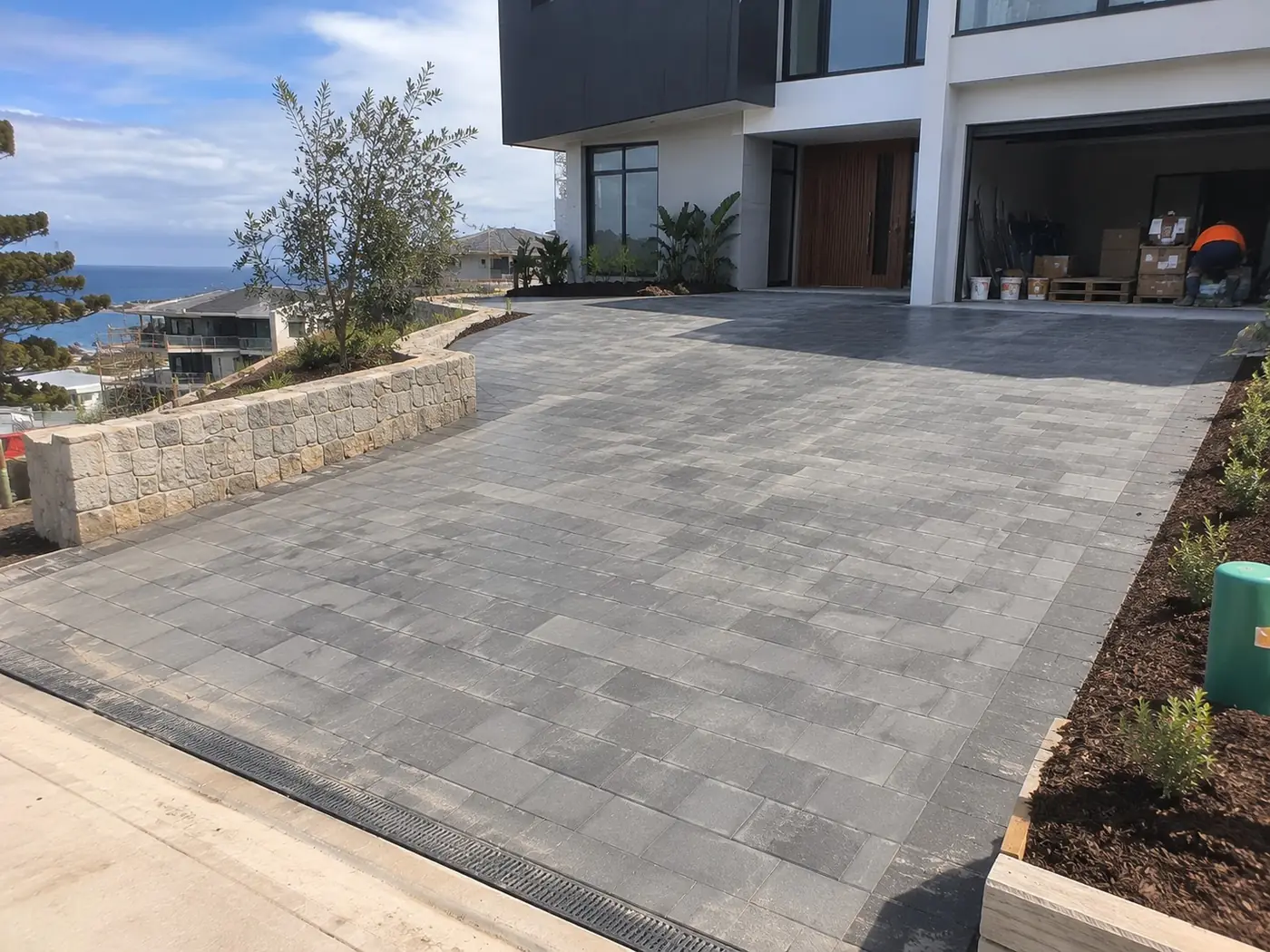
Paver Driveways
We take care of the full driveway from your boundary to the garage door, covering the dig-out, road base and paver layout. We can help choose a colour and size that sits nicely with your house, be it a Thirroul weatherboard, a 1960s Figtree brick home or a new Shell Cove build.
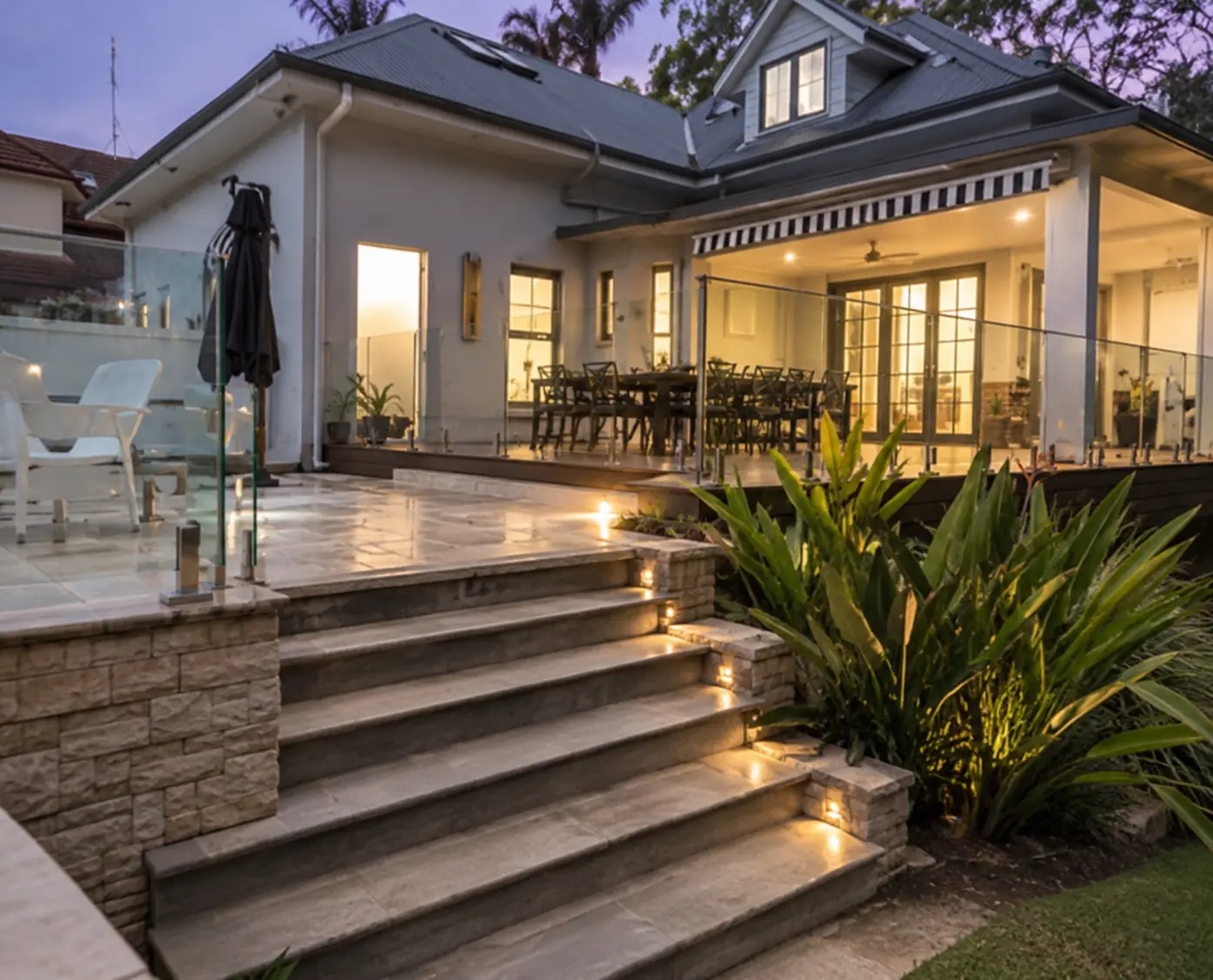
Patios and Entertaining Spaces
If you're after a spot out the back for meals, the barbie and a few chairs, we design the paving around how you really use the yard. It can connect to your paths and garden beds, with space left for planters or future pergola footings.
Paving Around Pools
Pool paving has to be comfortable for bare feet on a hot afternoon and still grippy when it's wet. Lighter, textured pavers suit coastal pools well, and we edge the pool with matching bullnose coping for a tidy finish.
Garden Paths and Stepping Stones
We put in narrow paths linking the front gate, side gate, clothesline and shed, using regular pavers or larger stepping units set into gravel or lawn. They keep you off the mud after heavy rain and make the garden look finished.
Cleaning and Sealing Pavers
Damp, shaded spots around Wollongong, particularly on the south side of a house or below the escarpment, quickly pick up black mould, algae and lichen. We pressure clean the paving, treat any growth, refill the joint sand and finish with a breathable sealer that helps the colour hold up against strong summer sun and salty coastal air.
Paving for Businesses and Strata
Shopfronts, unit blocks, strata common areas and resort walkways are all part of what we pave. We work in stages so customers and residents can still get through, and we choose pavers rated for the foot and vehicle traffic each area handles at its busiest.
Three Easy Ways to Begin Your Wollongong Paving Job
Pavers open up a lot of options, whether that's crisp contemporary grey or warm sandstone tones around the pool. Doing a little planning early on makes the layout, levels and budget far easier to pin down.
- Sketch the area: Jot down measurements, steps, garden beds and downpipe locations on a rough drawing, and we'll use it to calculate quantities, cuts and falls.
- Share some inspiration: Send through photos of paving you like, from a supplier brochure or online, and we'll recommend products that stand up to the local coastal conditions.
- Arrange a site visit: We'll check the ground, drainage and access for machinery, then talk you through base and edging choices in everyday language.
Good paving starts below the surface. Your base gets compacted properly and the falls are set so heavy rain drains away from the house. What you end up with is straight lines, tight joints and paving that stays flat. Send us a message to talk through your ideas and arrange a free quote.
What Makes Pavers a Good Fit for Wollongong Properties
Built to Flex With the Soil
Reactive clay and filled ground both swell when they get wet and shrink back as they dry. A single poured slab sitting on that can crack, but pavers just move slightly and settle back down, which makes them a sound choice on that sort of block.
Replace a Single Paver
When one paver gets chipped or soaked in oil, it can be lifted and swapped for a fresh one. Doing the same on a slab means saw cutting and patching, and the fix usually stays visible.
No Waiting Period
There's no curing time to sit through. As soon as the pavers are laid, jointed and compacted, they're ready for foot and vehicle traffic, which is handy for rental properties or businesses that can't afford a week out of action.
Simple to Alter Later
If you want to widen the drive, add a path or lay a pipe at some point, the pavers can be lifted out and relaid. No concrete saw, no jackhammer and no fresh pour required.
Plenty of Design Choice
Pavers come in a huge range of colours, sizes and laying patterns, whether you like a tight herringbone or a more casual stepping-stone feel. That's a lot more scope than a plain slab gives you.
Permeable Pavers for Downpours
Permeable paving lets rain drain down between and through the units instead of sheeting off. When a heavy Illawarra storm or an East Coast Low rolls through, that can ease the load on your stormwater system.
What We Do to Stop Pavers Shifting
Base Depth to Match the Load
A garden path and a driveway need completely different foundations underneath. In parking areas we excavate further and put down extra road base, running a plate compactor over each layer so the paving keeps its shape under the weight of a car.
Locked-In Edges
Pavers without a solid edge gradually creep outward, the joints widen and the units begin to rock. Every open edge gets locked in with concrete haunching or fixed edge restraint, which is a step some layers leave out to save time.
Levels Set Out First
Water will collect in any dip and run fast down any slope. We string the levels before laying begins so runoff heads to drains or garden beds, which keeps the bedding sand in place and stops the ground below from turning soft.
Full, Firm Joints
Pavers rely on full joints to lock together. We choose a jointing sand to suit your site, often a polymeric sand that hardens once it's wet, vibrate it down and top it up so the paving interlocks and weeds struggle to get a foothold.
The Right Paver in the Right Place
Pavers for a driveway have to be thicker, while pool pavers need to stay cool and grippy for bare feet. We steer you toward products rated for the traffic each area will see, rather than whatever looks best in the brochure.
Straight Talk on Pavers vs Concrete
Pavers aren't always the answer. Where a heavy vehicle, caravan or piece of machinery will stand in the same spot for long periods, a poured slab might suit you better, and we'll say so even if it changes our quote.
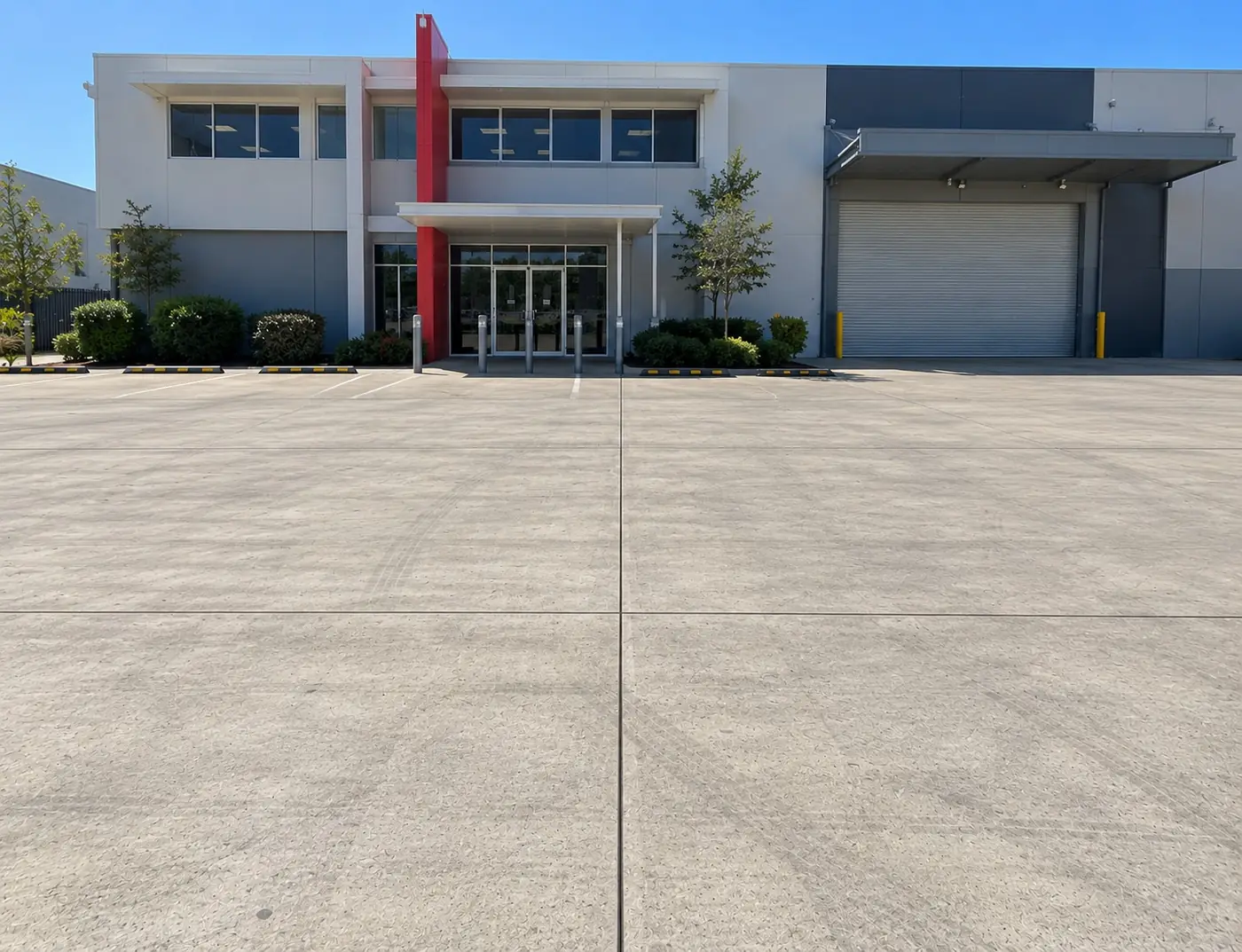
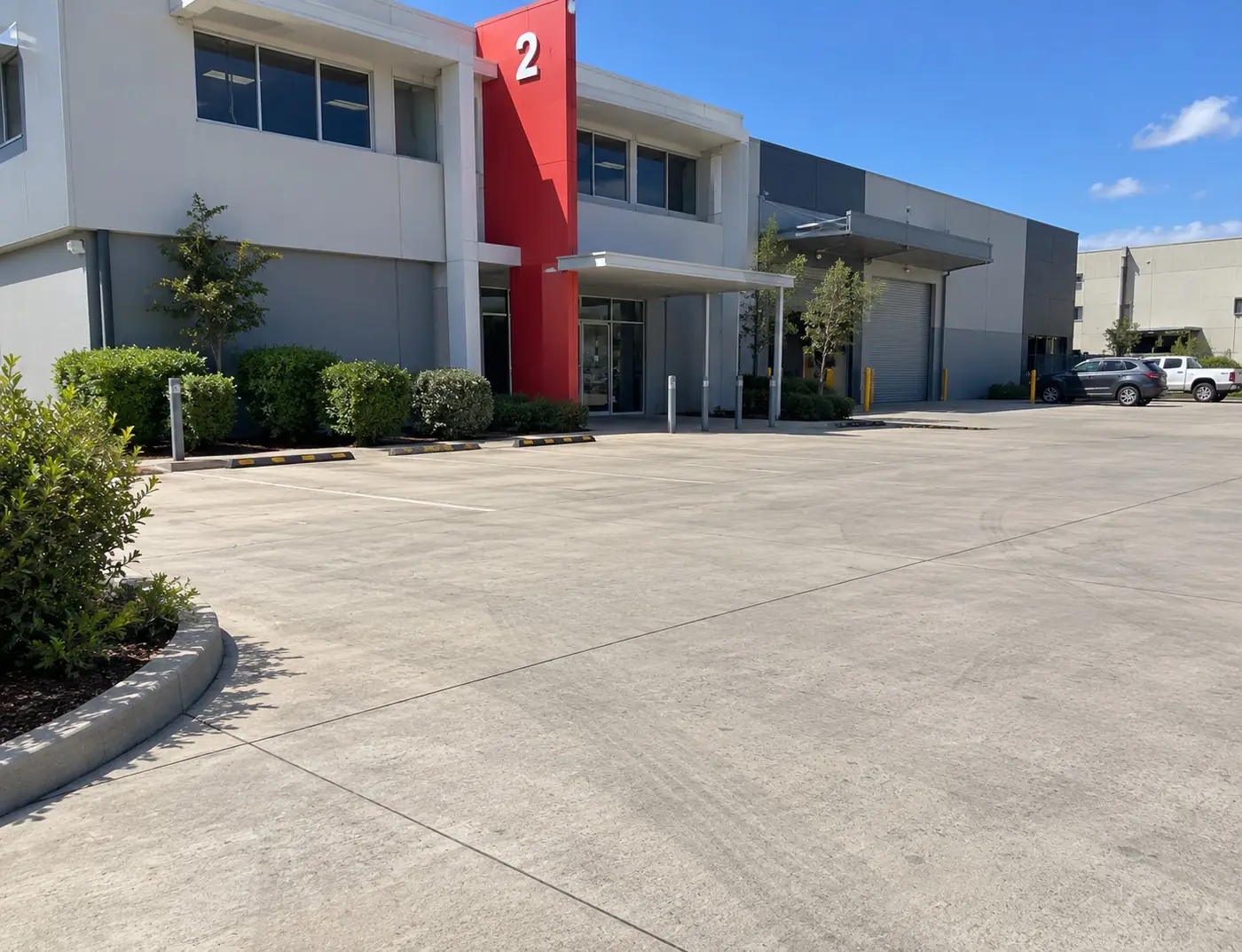
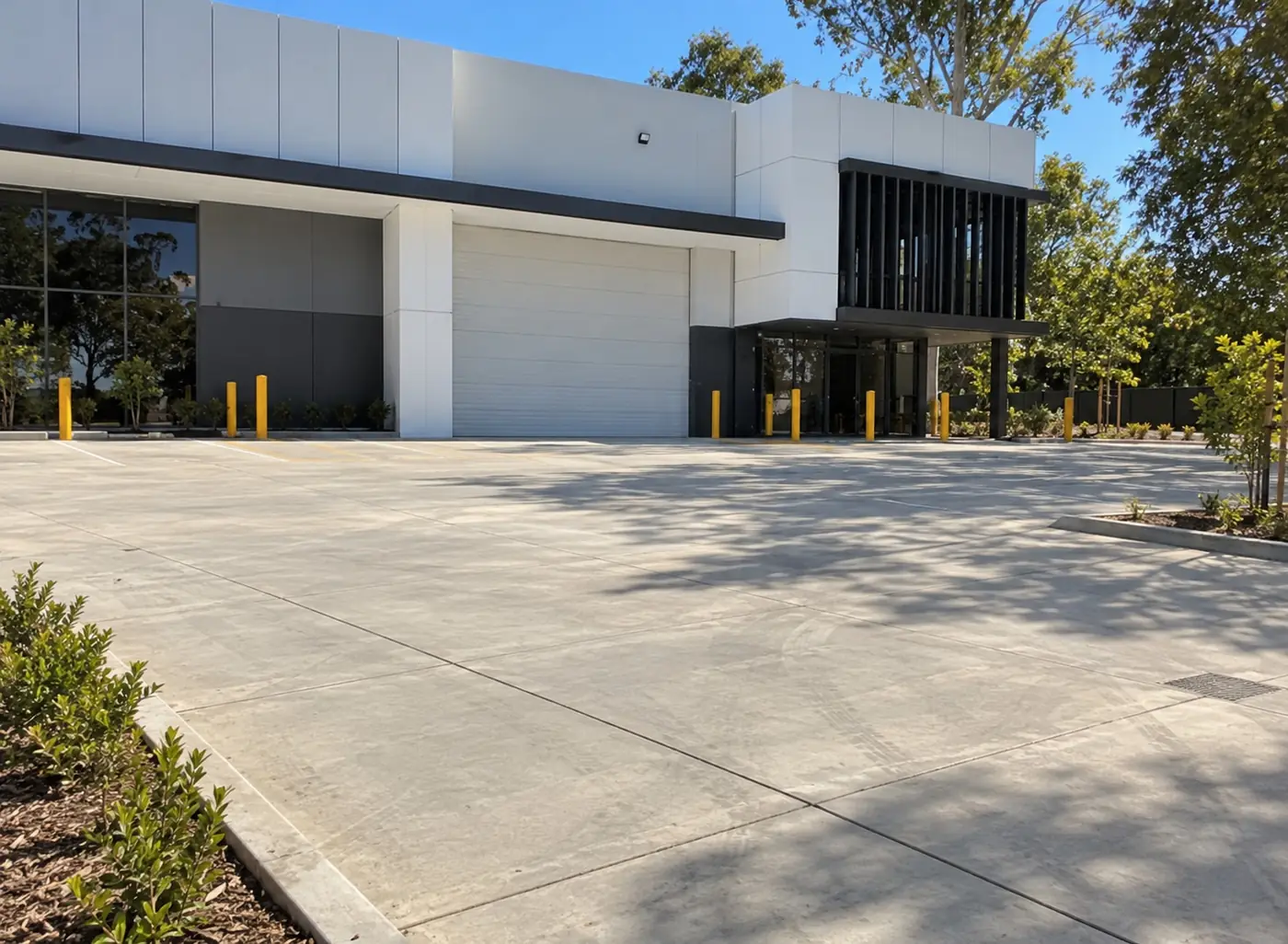
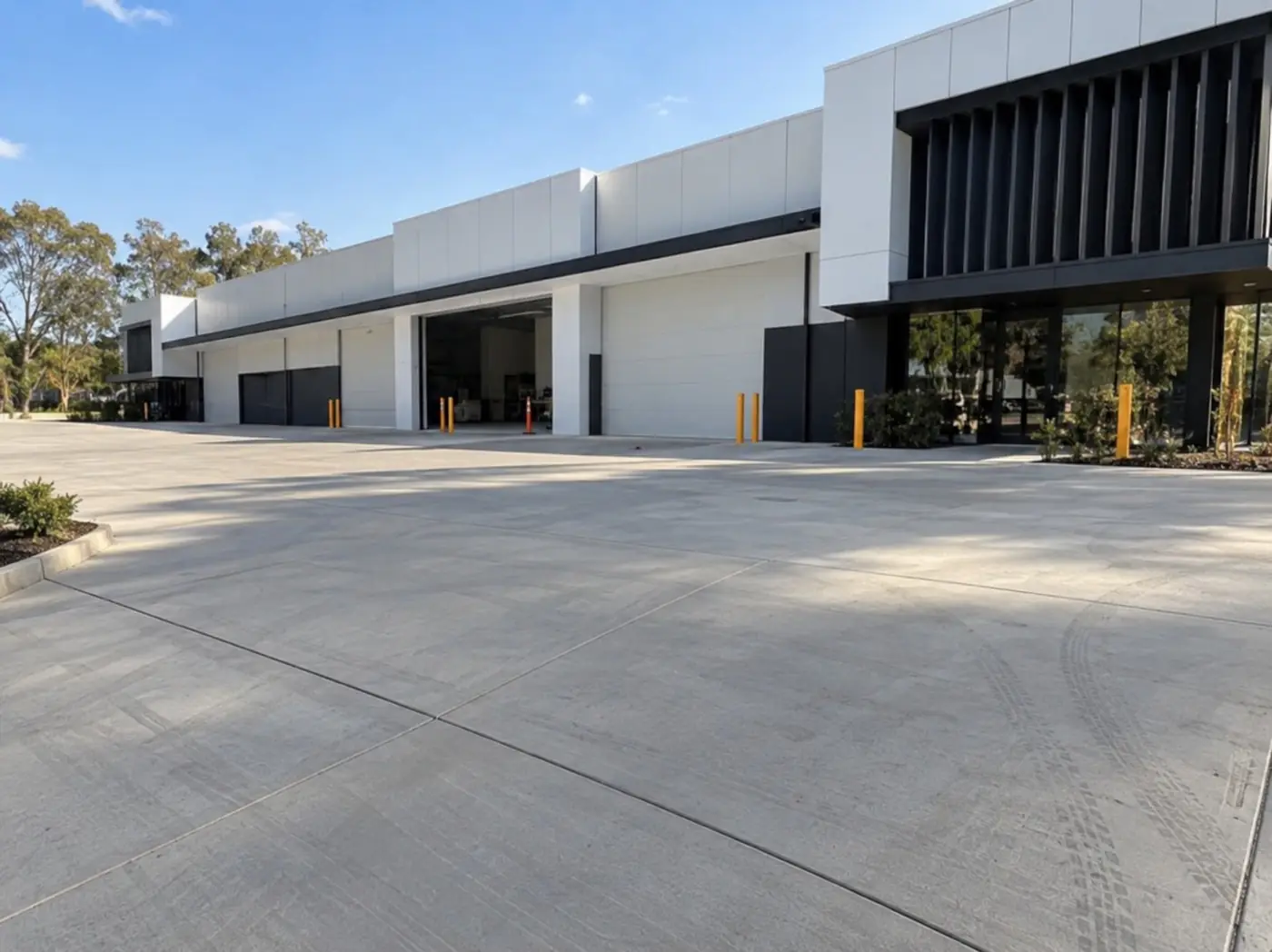
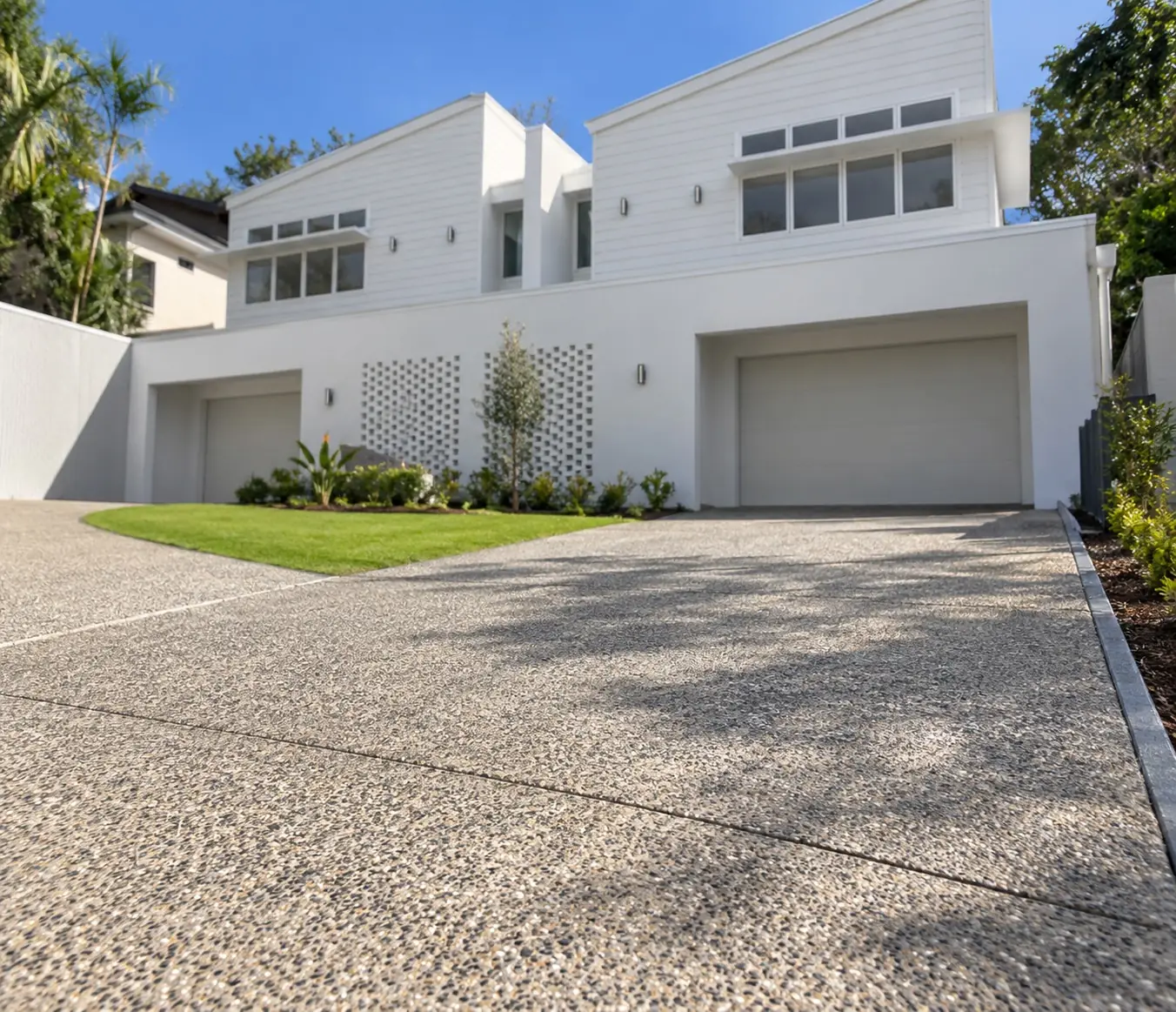
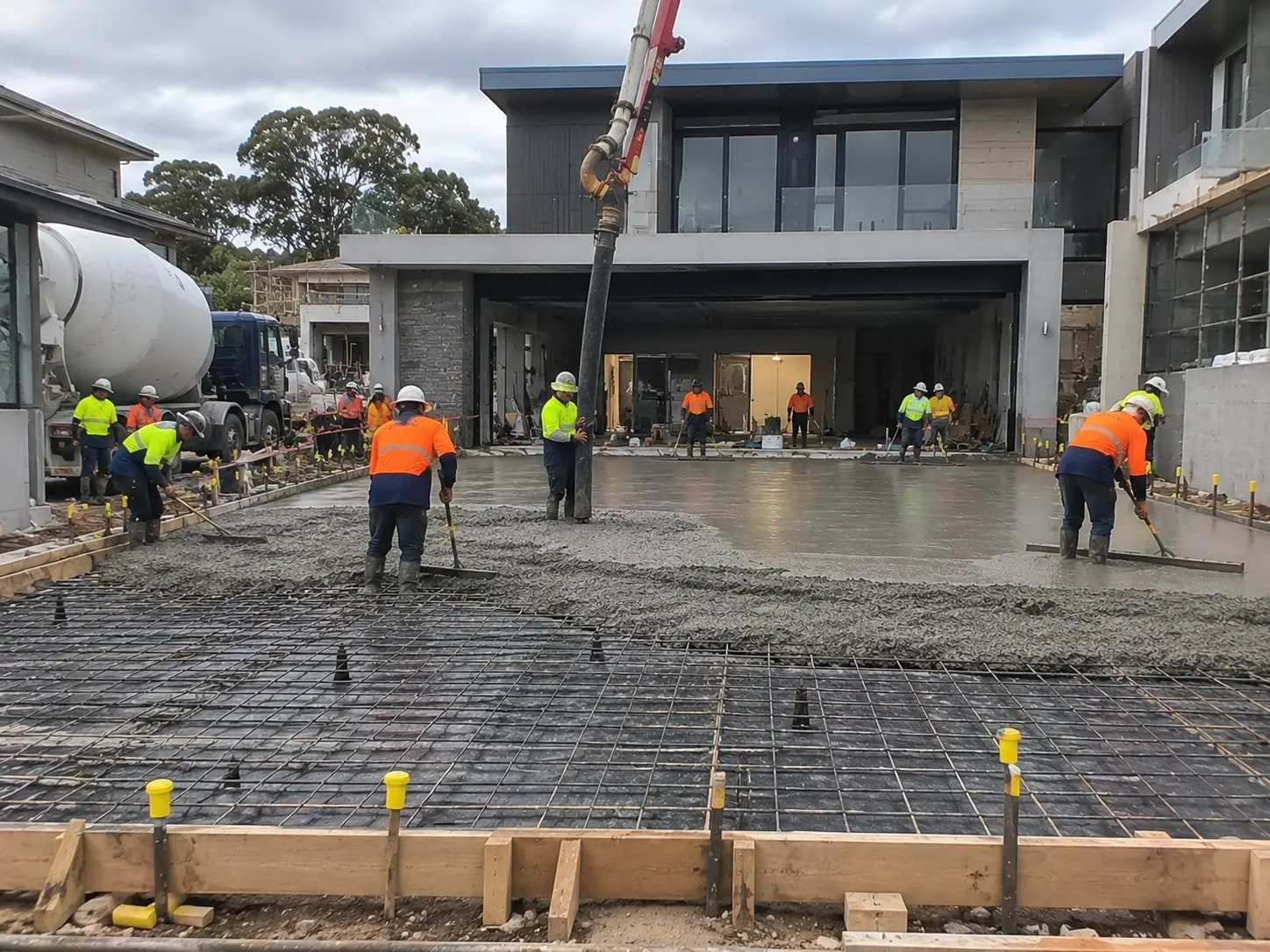
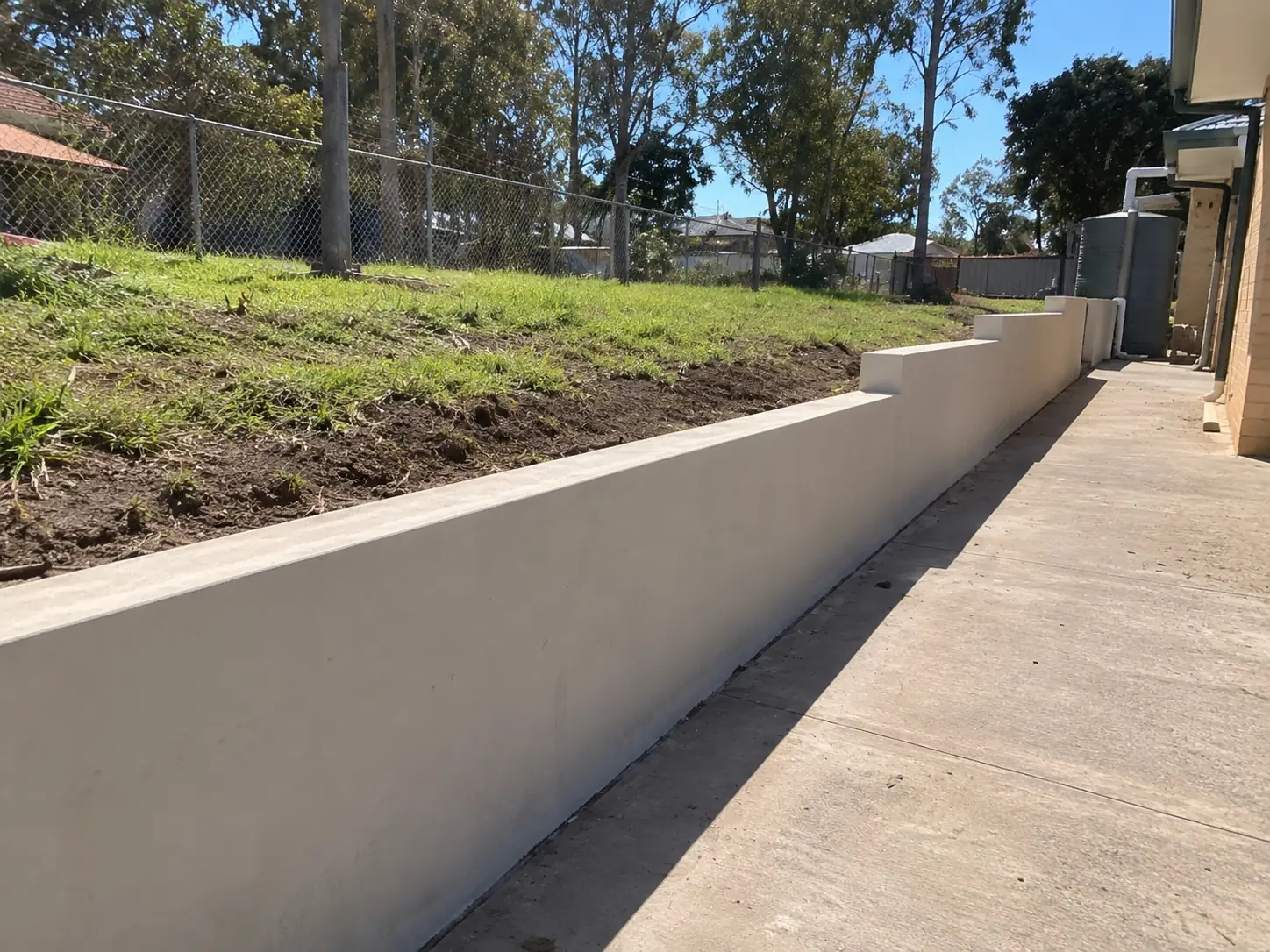
A Look at Our Wollongong Concrete Work
Paving Questions We Hear Often
Straight answers on pavers compared with slabs, managing weeds, what causes sinking, driving on pavers and how long a paving job in Wollongong usually takes.
That depends on your site and what the area is for. Pavers come out ahead on moving ground, since they shift a little rather than cracking, and that's a real plus on the clay, fill or poorly drained soils found around parts of Wollongong. They're also handy where pipes or cables may need digging up one day, where you need the area usable quickly, or where being able to replace one damaged unit is useful. A poured slab tends to suit heavy loads that stay put, people who'd rather have one seamless surface with no joints to maintain, and large plain areas, where it's normally cheaper per square metre. We'll check out your site and give you our honest recommendation.
A few will appear over time, and it's the most common question we get, but they're manageable. Most weeds take root in the dirt, leaf litter and moss that collect in the joints rather than pushing up from the ground below, and you'll usually spot them first in damp, shady corners after a run of wet weather. Keeping the joints topped up and firm, plus an occasional sweep, makes a big difference. Polymeric sand, which hardens once it gets wet, noticeably reduces weeds compared with ordinary sand. No paved area is ever completely weed free, but well-filled joints keep upkeep simple.
It's almost always a problem with the base. Pavers are laid on a bed of sand over compacted road base or crushed rock, and if that layer wasn't compacted well enough, or water has scoured through it, it gradually settles and the pavers drop with it. Soft clay or wet ground below makes getting the base depth and drainage right even more critical. Thankfully the repair is simple: the dropped section is lifted, the base is fixed and compacted again, the sand is relevelled and the original pavers go back in. A slab that's sunk, on the other hand, usually needs breaking out and repouring.
They will, provided the pavers and the base are chosen for the job. Driveway pavers are thicker than the ones used on patios, and the road base under them needs to be deeper and more thoroughly compacted to spread wheel loads. The edges are even more important, because tyres push outward there, and on a slope a strong border stops the paving gradually sliding downhill. Laying pattern matters too, with herringbone coping far better with turning and braking than straight rows. If a caravan, boat trailer, work ute or delivery truck will be using it, mention that at the quote stage so we can design for it.
Time on site is often similar to a concrete driveway, occasionally a day or so more, since hand-laying pavers is more labour-intensive than a pour. Where pavers really pull ahead is at the finish line: there's no curing, so you can drive on them once the joints are compacted instead of waiting around a week as you would with new concrete. For landlords and shop owners, having the space back that fast can matter a lot. Hot weather affects paving less than pouring, but heavy rain can still slow down the base work, and steep blocks may need steps or retaining before paving starts. Tight side access or a long carry from the road can also add time, and we build that into the timeline we quote.
More services that pair well
Want to compare paver samples at home?
Let us know the size of the area and we'll bring a range of samples out to your place.